 ✨ AI Generated
Rakushisha Hermitage
Japanese: 落柿舎
Ukyo Ward, Kyoto
This information was written by AI and may contain mistakes. Please check official sources for opening hours, fees, and other details before you go.
Found a mistake? Let us know with “✏️ Something's wrong” on this spot's screen in asobot →
🎧 Audio guide(1:06)
In short
The former site of a hermitage run by the Genroku-era haiku poet Mukai Kyorai. Kyorai was a disciple of Matsuo Basho and the senior pupil he trusted the most. Basho visited here three times in total, and in the early summer of Genroku 4 (1691), he stayed here and wrote Saga Nikki (The Saga Diary). The current building was rebuilt in Meiwa 7 (1770) by Inoue Juko.
- Raincoat and Straw Hat at the Entrance: Originally, their hanging indicated that the master of the hermitage was inside, while their absence meant he was out, but today they are permanently hung as a symbol of Rakushisha Hermitage
- Origin of the Name: It is said that after a merchant who had promised to buy the fruit of the 40 persimmon trees in the garden apologized and asked for his money back because almost all the fruit fell that night, and Kyorai accepted this, Kyorai began referring to himself as "Kyorai of Rakushisha"
- Haiku Monuments and the Submission Box: Haiku stone monuments are scattered throughout the garden, including the monument inscribed with Kyorai's haiku "Kakinushi ya kozue wa chikaki arashiyama" (The owner of the persimmons—the treetops near Mount Arashi), which is said to be the oldest haiku monument in Kyoto. The haiku submission box of the "Rakushisha Haiku Dojo" has long been well known
History and Highlights
Rakushisha Hermitage is the former site of a hermitage run by the Genroku-era haiku poet Mukai Kyorai. Kyorai was a disciple of Matsuo Basho and the senior pupil he trusted the most. Quietly situated in the heart of Sagano, this thatched-roof hermitage continues to be visited by many people today as an important historic site in Japanese literature.
The origin of its name is recorded in Kyorai's Rakushisha-ki (Record of Rakushisha). There were 40 persimmon trees in the garden, and a merchant from the capital made a promise to purchase the fruit before heading home. However, that night, almost all the persimmons fell from the trees. The next morning, saying he had never seen so many fallen persimmons, the merchant apologized and asked for his money back, and Kyorai agreed to forgive him and refund it. It is said that following this incident, Kyorai began referring to himself as "Kyorai of Rakushisha."
Basho visited here three times in total. In the early summer of Genroku 4 (1691), he stayed from April 18 to May 4 and wrote Saga Nikki (The Saga Diary). After Kyorai's death, the hermitage fell into ruin and was lost, but the current building was rebuilt in Meiwa 7 (1770) by Inoue Juko.
Highlights for Viewing and Experiencing
- Raincoat and Straw Hat at the Entrance: A straw raincoat (mino) and woven straw hat (kasa) always hang at the entrance. Originally, their hanging indicated that the master of the hermitage was inside, while their absence meant he was out, but today they are permanently hung as a symbol of Rakushisha Hermitage.
- Haiku Monument Tour: Haiku stone monuments are scattered throughout the garden. The monument inscribed with Kyorai's haiku, "Kakinushi ya kozue wa chikaki arashiyama" (The owner of the persimmons—the treetops near Mount Arashi), was erected in An'ei 1 (1772) by Inoue Juko and is said to be the oldest haiku monument in Kyoto. There is also a monument inscribed with the haiku Basho composed at the end of Saga Nikki: "Samidare ya shikishi hegitaru kabe no ato" (May rains—traces on the wall where poetry cards were peeled away).
- Haiku Submission Box: The haiku submission box of the "Rakushisha Haiku Dojo" has long been well known. Why not try composing a haiku and submitting it as a travel memory?
Walking Tips
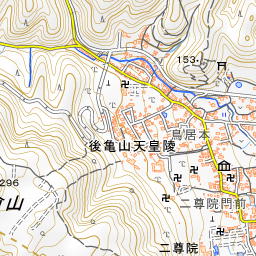
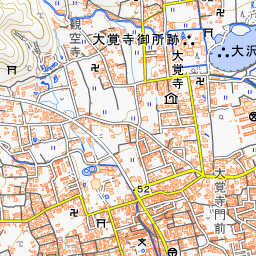
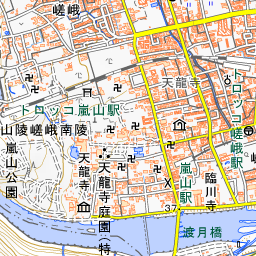
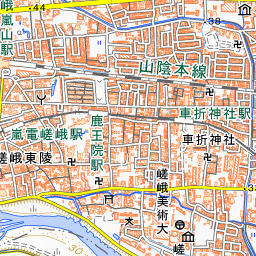
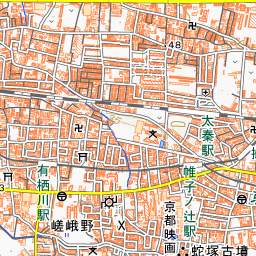
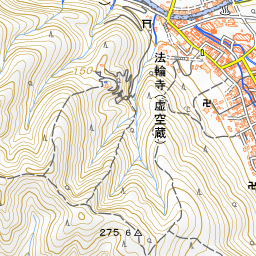
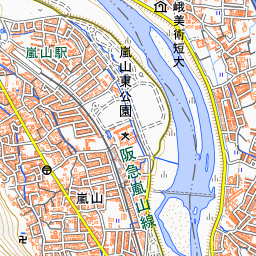
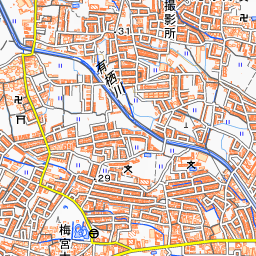
It is about a 15-minute walk from JR Saga-Arashiyama Station. If you walk north about 100 meters behind the hermitage into the cemetery of Kogen-ji Temple, you will find Kyorai's small grave inscribed simply with the characters for "Kyorai." Jojakko-ji Temple is located about 220 meters to the southwest, Nison-in Temple is about 290 meters to the northwest, and Arashiyama Bamboo Grove is about 420 meters to the south, making it easy to visit them together on foot.
Spot location © OpenStreetMap contributors (ODbL)
Open in Google MapsGuides that include this spot (1)
Use asobot while you walk
- See where you are on the map and find spots nearby
- Listen to the guide's audio in course order, one after another (with subtitles)
- Walk to the next spot while following the map
Open on your phone
Scan to open this spot in asobot on your phone.