 ✨ AI Generated
Hokke-ji Temple
Japanese: 法華寺
Nara City, Nara
This information was written by AI and may contain mistakes. Please check official sources for opening hours, fees, and other details before you go.
Found a mistake? Let us know with “✏️ Something's wrong” on this spot's screen in asobot →
🎧 Audio guide(1:07)
In short
Hokke-ji Temple is a nunnery founded by Empress Komyo on the former site of the residence of her father, Fujiwara no Fuhito, as the head provincial nunnery (so-kokubun-niji). Its formal name is Hokke-metsuzai-no-tera, and it is counted as one of the Yamato Sanmonzeki.
- Principal Image: Standing Eleven-headed Kannon Bodhisattva: A National Treasure said to depict the figure of Empress Komyo crossing a lotus pond. It is usually closed to the public and specially unveiled three times a year in spring, early summer, and autumn.
- Main Hall (Hondo): An Important Cultural Property rebuilt by Toyotomi Hideyori during the Keicho era, displaying characteristics of Tenpyo architecture along with features of Momoyama architecture. The seated statue of Vimalakirti (Yuima Koji), a National Treasure, is also enshrined here.
- Karafuro: A bathhouse where Empress Komyo is said to have washed away the impurities of people suffering from illnesses. Rebuilt in 1766, it still stands on the temple grounds today.
History and Highlights
Hokke-ji Temple is a nunnery adjacent to the east of Heijo Palace. While her husband Emperor Shomu established Todai-ji Temple as the head provincial temple (so-kokubun-ji), Empress Komyo founded this temple as the head provincial nunnery on the former site of her father Fujiwara no Fuhito's residence. It originated in 745 (Tenpyo 17), when the empress converted her imperial residence into a temple.
In the Nara period, it prospered with a full compound of seven major buildings (shichido garan), but it declined with the relocation of the capital to Heian-kyo. Although it was restored during the Kamakura period, it again lost its halls and pagodas during the Muromachi period to fires and the flames of war. The current temple compound was restored thanks to the vow of Yodogimi, the mother of Toyotomi Hideyori. The Main Hall, bell tower, and south gate, rebuilt by Hideyori during the Keicho era, are all designated as Important Cultural Properties.
Historically, imperial princesses and daughters of regent families served as head abbesses (monzeki) here across generations, and along with Chugu-ji Temple and Ensho-ji Temple, it is referred to as the Yamato Sanmonzeki. The tradition of Empress Komyo encouraging the nuns to arrange flowers continues today as the Hokke-ji Goryu school of flower arrangement.
The principal image, the standing statue of the Eleven-headed Kannon Bodhisattva, is a National Treasure said to capture Empress Komyo crossing a lotus pond. It is normally not open to the public and is specially unveiled three times a year in spring, early summer, and autumn.
Tips for Appreciation and Experiences
- Main Hall: In the Main Hall rebuilt in the Momoyama period, one can see features of both Tenpyo and Momoyama architecture. A National Treasure seated statue of Vimalakirti (Yuima Koji) is also enshrined inside.
- Karafuro: It is said that Empress Komyo washed away the impurities of a thousand people suffering from illness in this bathhouse. The current structure was rebuilt in 1766.
- Two Gardens: The garden designated as a national Place of Scenic Beauty was created in the early Edo period. Spanning about 500 tsubo (approx. 1,650 square meters), stones and garden trees are said to have been moved here from the garden of the Sento Imperial Palace in Kyoto. Together with the other garden, Karaku-en, seasonal flowers can be enjoyed. The Place of Scenic Beauty garden is open to the public only during designated periods.
Strolling Tips
First, head toward the Main Hall. Standing in the pond in front of the Main Hall is the Goma-do Hall. It was rebuilt for the first time in about 600 years after collapsing in the Muromachi period, and was placed inside the pond partly for disaster prevention. In May, rabbit-ear irises (kakitsubata) can be seen in front of the Main Hall and in the back of the garden.
This temple is also known for "omamori inu" (protective dog amulets). These are dog-shaped amulets made by blending clay with ashes from the goma ritual fire and painting patterns on them, and their making method is said to have been passed down orally from Empress Komyo.
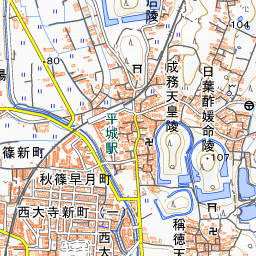
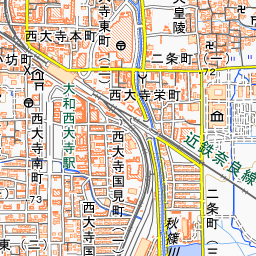
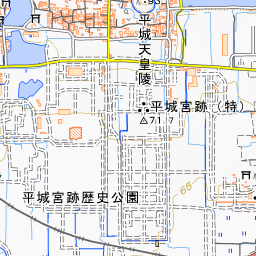
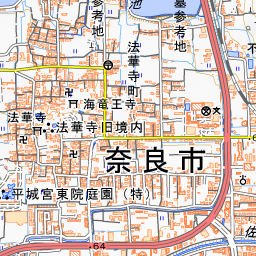
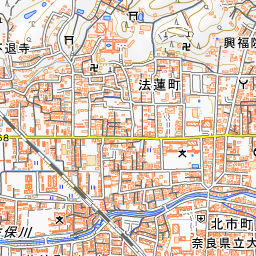
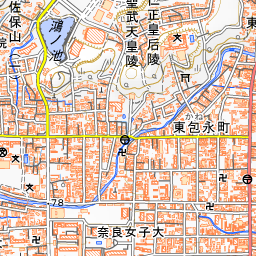
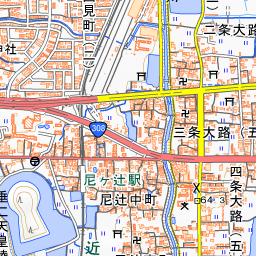
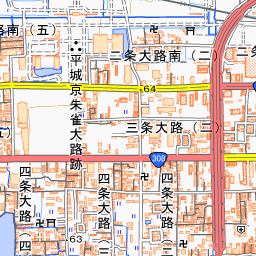
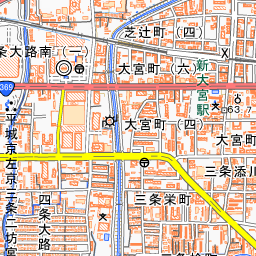
By bus, take one from JR Nara Station or Kintetsu-Nara Station, get off at the "Hokkeji" bus stop, and walk for 3 minutes. From Kintetsu Shin-Omiya Station, it is about a 20-minute walk northwest. Kairyuo-ji Temple is about 120 meters to the east, making it easy to visit next. To the west lies Nara Palace Site Historical Park.


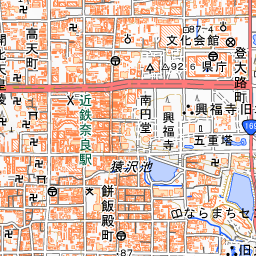
Spot location © OpenStreetMap contributors (ODbL)
Open in Google MapsGuides that include this spot (1)
Use asobot while you walk
- See where you are on the map and find spots nearby
- Listen to the guide's audio in course order, one after another (with subtitles)
- Walk to the next spot while following the map
Open on your phone
Scan to open this spot in asobot on your phone.