 ✨ AI Generated
Uda Mikumari-jinja Shrine
Japanese: 宇太水分神社
Uda, Nara
This information was written by AI and may contain mistakes. Please check official sources for opening hours, fees, and other details before you go.
Found a mistake? Let us know with “✏️ Something's wrong” on this spot's screen in asobot →
🎧 Audio guide(1:03)
In short
Uda Mikumari-jinja Shrine is an ancient shrine located along the Hono River in Utano, Uda City. It enshrines deities who govern the distribution of water and is an ancient shrine recorded in the Engishiki. Its Kamakura period main sanctuary buildings (honden) are designated as National Treasures, consisting of three Kasuga-zukuri structures standing side by side.
- National Treasure Main Sanctuary (Honden): The three structures—the First Hall, Second Hall, and Third Hall—stand side by side and are said to have been constructed in 1320 (Gen'o 2).
- Important Cultural Property Auxiliary Shrines (Sessha): To the right of the main sanctuary, the Muromachi period main halls of Kasuga Shrine and Munakata Shrine stand side by side.
- The "Owatari" of the Autumn Festival: Held during the autumn festival on the third Sunday of October, it is said to have originated in 898 (Shotai 1). It is considered the only day of the year when the goddess of Sosha Mikumari-jinja Shrine and the male deity of this shrine can meet.
History and Highlights
Uda Mikumari-jinja Shrine is situated along the Hono River in Utano-Furuichiba, Uda City. "Mikumari" is a word derived from "mizu-kubari" (water distribution), and as its name suggests, it enshrines deities that govern the distribution of water. It is an ancient shrine recorded in the Engishiki, and among the Shikinaisha of Yamato, there are only four Mikumari shrines: this one, Katsuragi, Yoshino, and Tsuge.
According to shrine tradition, it is said to have begun during the reign of Emperor Sujin. The Tamaoka Mikumari Engi, copied in 1560 (Eiroku 3), records that the shrine buildings were established during the reign of Emperor Suinin following a divine revelation.
Its main sanctuary consists of three halls: the First Hall, Second Hall, and Third Hall. These are Kamakura period buildings and are National Treasures. The current main halls are said to date to 1320 (Gen'o 2). Each structure is built in the ikkensha sumigi-iri Kasuga-zukuri style, and the three stand side by side. Enshrined here are the three Mikumari deities: Amenomikumari-no-Kami, Hayaakitsuhiko-no-Kami, and Kuninomikumari-no-Kami.
To the right when facing the main sanctuary stand the main halls of two auxiliary shrines (sessha), Kasuga Shrine and Munakata Shrine. Both are Muromachi period buildings and are designated national Important Cultural Properties. Kasuga Shrine enshrines Amenokoyane-no-Mikoto, and Munakata Shrine enshrines Ichikishimahime-no-Mikoto.
Viewing and Experience Points
- Three Main Halls Standing in a Row: Three Kasuga-zukuri shrine buildings of the same design stand side by side. Take in the appearance of these Kamakura period main halls surrounded by greenery.
- Meoto-sugi (Husband-and-Wife Cedar) and Yoritomo-sugi: At the base of the Meoto-sugi cedar on the grounds, visitors pray for marital harmony. The Yoritomo-sugi cedar on the grounds is of the second generation; according to tradition, Minamoto no Yoritomo visited here when he was young and planted a cedar while divining the future of the Minamoto clan.
- The Autumn Festival Owatari: Every year on the third Sunday of October, a grand autumn festival takes place. The procession called "Owatari," which is said to have begun in 898 (Shotai 1), marks what is considered the only day of the year when the goddess Hayaakitsuhime-no-Kami of Sosha Mikumari-jinja Shrine and the male deity Hayaakitsuhiko-no-Kami of this shrine can meet. The goddess travels riding in a horen (imperial-style portable shrine).
Tips for Exploring
From Kintetsu Haibara Station, take a bus bound for "Utano" or "Higashiyoshino Village Office" (Higashiyoshino-son Yakuba), get off at "Furuichiba Mikumari-jinja," and walk for about 5 minutes. On the grounds, first compare the three halls of the main sanctuary. Afterward, view the main halls of Kasuga Shrine and Munakata Shrine standing on the right side facing the main sanctuary. Finally, looking around at the Meoto-sugi and Yoritomo-sugi will allow you to make a full circuit of the main highlights.


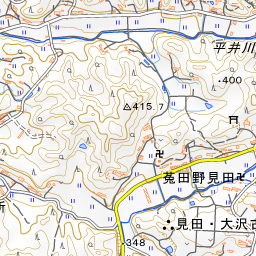


Spot location © OpenStreetMap contributors (ODbL)
Open in Google MapsGuides that include this spot (1)
Use asobot while you walk
- See where you are on the map and find spots nearby
- Listen to the guide's audio in course order, one after another (with subtitles)
- Walk to the next spot while following the map
Open on your phone
Scan to open this spot in asobot on your phone.