 ✨ AI Generated
Joruri-ji Temple
Japanese: 浄瑠璃寺
Kizugawa, Kyoto
This information was written by AI and may contain mistakes. Please check official sources for opening hours, fees, and other details before you go.
Found a mistake? Let us know with “✏️ Something's wrong” on this spot's screen in asobot →
🎧 Audio guide(0:57)
In short
A temple of the Shingon Risshu sect in Tono, also called Kutai-ji because nine statues of Amida Nyorai are enshrined in its main hall. About 30 such nine-Amida halls are said to have been built in the Heian period, mainly around Kyoto, but Joruri-ji is the only one that remains today. Both the main hall and the nine statues are National Treasures.
- The main hall and the nine Amida statues: Life-size statues of Amida Nyorai stand in a row in the long main hall
- The Pure Land garden: Centered on a pond, with the main hall and Amida Nyorai on the west and the three-story pagoda, a National Treasure, and Yakushi Nyorai on the east, it expresses the Pure Land of Paradise. It is a national Special Place of Scenic Beauty and a Historic Site
- How to worship: It is said that the proper way is to first pray to Yakushi Nyorai at the pagoda on the east, then turn around and worship Amida Nyorai in the main hall across the pond
History and Highlights
Joruri-ji Temple is a temple of the Shingon Risshu sect located in Tono, Kamo-cho, Kizugawa City, and its mountain name (sango) is Odawarasan. This area has been called Odawara since ancient times, and during the late Heian period, many practicing monks gathered here, setting up hermitages in its valleys and peaks.
According to the temple's legend, it was founded during the Nara period when Emperor Shomu ordered the monk Gyoki to build it. On the other hand, the temple record "Joruri-ji Ruki-ji" states that in 1047 (Eisho 2), the monk Gimyo from Taima enshrined Yakushi Nyorai (the Medicine Buddha) and founded the temple. The name of the temple is derived from Yakushi Ruriko Nyorai, the master of the Eastern Pure Land of Lapis Lazuli.
Later, in 1107 (Kajo 2), a new hall and Buddhist statues were created, and in 1157 (Hogen 2), the hall was moved to its current location on the western shore of the pond. Because nine statues of Amida Nyorai are enshrined in the main hall, it is also known as "Kutai-ji" (Temple of the Nine Statues).
Sights and Experiences
- National Treasure Main Hall and the Nine Amida Nyorai Statues: In the horizontally elongated main hall, life-sized statues of Amida Nyorai line both sides of the central figure, with four statues on each side. It is said that around 30 nine-Amida halls (Amida-do Hall) were built during the Heian period, mainly around Kyoto, but Joruri-ji Temple is the only one that still remains today. Both the main hall and the nine statues are National Treasures.
- Pure Land Garden with Yakushi in the East and Amida in the West: Centered around the Takara-ike Pond, which is said to be shaped like the Sanskrit letter "A," the temple grounds represent the Pure Land by enshrining the main hall and the nine Amida Nyorai to the west, and the three-story pagoda and Yakushi Nyorai to the east. The three-story pagoda, a National Treasure, was relocated from Kyoto in 1178 (Jisho 2) and enshrines a seated statue of Yakushi Nyorai, said to be the principal image from the time of the temple's founding. The garden is designated as a national Special Place of Scenic Beauty and Historic Site.
- Statues of the Four Heavenly Kings and Kichijoten: Among the standing statues of the Four Heavenly Kings, which are National Treasures, Jikokuten and Zochoten are enshrined in the main hall. Komokuten is on display at the Tokyo National Museum, and Tamonten is on display at the Kyoto National Museum. The statue of Kichijoten, an Important Cultural Property, has records indicating it was enshrined in the main hall in 1212 (Kenryaku 2), and its coloring is well-preserved. It is open for public viewing during New Year's, spring, and autumn.
Walking Tips
It is said that the proper way to worship is to first pray to Yakushi Nyorai at the three-story pagoda on the eastern side, and then turn around to worship Amida Nyorai in the main hall across the pond. Japanese andromeda (asebi) flowers bloom from early to mid-March. This temple was also depicted in Hori Tatsuo's essay "Spring at Joruri-ji Temple." From JR Kamo Station, the community bus Tono Line is available. Along the approximately 2 km path connecting Joruri-ji Temple and Gansen-ji Temple, stone Buddhas and stone pagodas can be found here and there, making for a walk of just under an hour. Approximately 1.0 km to the east-northeast is the Iwafune Amida Triad Cliff Buddha (Warai-botoke), and Gansen-ji Temple is about 1.3 km away.

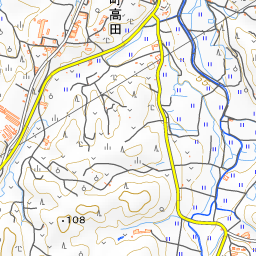
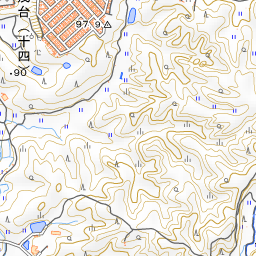


Spot location © OpenStreetMap contributors (ODbL)
Open in Google MapsGuides that include this spot (1)
Use asobot while you walk
- See where you are on the map and find spots nearby
- Listen to the guide's audio in course order, one after another (with subtitles)
- Walk to the next spot while following the map
Open on your phone
Scan to open this spot in asobot on your phone.