 ✨ AI Generated
Bankoro
Japanese: 晩香廬
Kita City, Tokyo
This information was written by AI and may contain mistakes. Please check official sources for opening hours, fees, and other details before you go.
Found a mistake? Let us know with “✏️ Something's wrong” on this spot's screen in asobot →
🎧 Audio guide(1:03)
In short
Bankoro is a small Western-style teahouse with a red-tiled roof, standing in the former Shibusawa Garden within Asukayama Park. In 1917, Shimizu-gumi (now Shimizu Corporation) presented it to Shibusawa Eiichi to celebrate his 77th birthday (kiju). Eiichi entertained guests from Japan and abroad here. It is designated as a national Important Cultural Property.
- Fireplace in the sitting room: A tile ornament depicting the character "壽" (longevity/celebration) sits in the center above the fireplace to commemorate his 77th birthday
- Furniture and furnishings: Built with durable chestnut wood, the designer's meticulous attention to detail is visible throughout, from the fireplace, firewood box, and brazier (hibachi) to the desks and chairs
- Exterior wall expression: A highlight is the combination of the walls with intentionally exposed rust and brick tiles of differing colors
History and Highlights
Bankoro is a small pavilion gifted to Shibusawa Eiichi by Shimizu-gumi. In the early Meiji period, Shimizu Kisuke II, the second-generation head of Shimizu-gumi, handled the design and construction of the First National Bank, which Eiichi had worked hard to establish. When the third head passed away suddenly in 1887 and the company's management faced crisis, Eiichi supported Shimizu-gumi as an advisor.
In 1916, at the age of 77, Eiichi decided to retire from the business world and stepped down from the advisory post he had held for about 30 years. The fourth head, Shimizu Mannosuke, decided to build this small pavilion and present it with furniture and furnishings out of gratitude. Construction began in April 1917 (Taisho 6) and was completed in November. It was designed by Tanabe Junkichi, chief engineer of Shimizu-gumi. The interior decoration and furniture were handled by Moriya Nobuo, who would later be active as a furniture designer.
Eiichi was very fond of this building and named it Bankoro after a line in a Chinese poem he wrote, "kikka bansetsu kō" (chrysanthemums are fragrant late in the season). He used it throughout his later years as a reception room, entertaining guests from both Japan and abroad.
While most of the residence was lost in the 1945 air raids, Bankoro escaped the spread of fire. It was restored to its original state through preservation and repair work in 1999 and designated as a national Important Cultural Property in 2005. Along with Seien Bunko, it is considered one of the few Taisho-period architectural works that embodied the spirit of the Arts and Crafts movement.
Viewing and Experience Points
- Exterior: A single-story wooden building with a hipped roof clad in red pantiles. The exterior walls are finished with Saikyo rust wall plaster, made by adding iron to the plaster clay to deliberately bring rust to the surface. Brick tiles fired in different colors are applied to the corners. At first glance it appears Western-style, but it is an eclectic Japanese-Western building that incorporates elements of sukiya-zukuri architecture.
- Fireplace in the sitting room: A tile ornament depicting the character "壽" celebrating his 77th birthday is set in the center above the fireplace. This is the room where Eiichi conversed with guests.
- Chestnut wood and furnishings: The entire building is made of durable chestnut wood. The designer's meticulous care can be seen in furnishings such as the fireplace, firewood box, and brazier, as well as furniture such as the desks and chairs.
Walking Tips
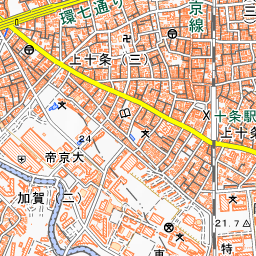
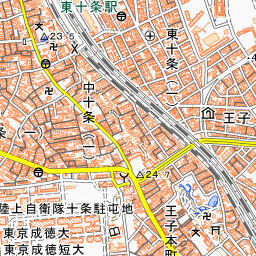
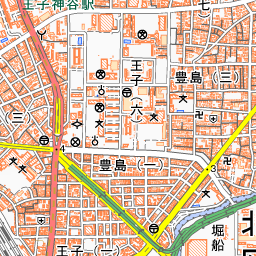
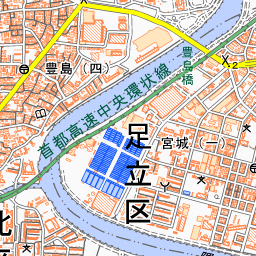
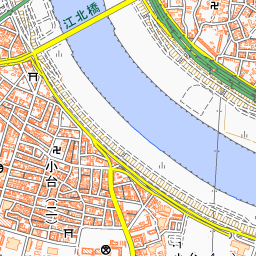
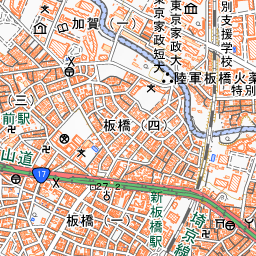
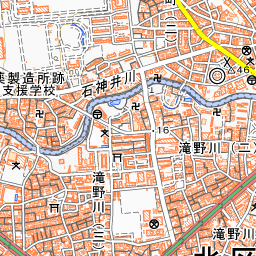
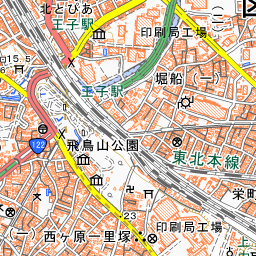
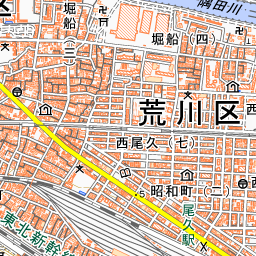
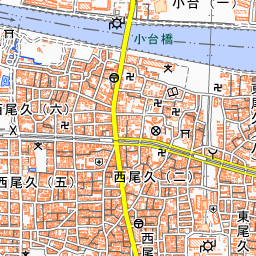
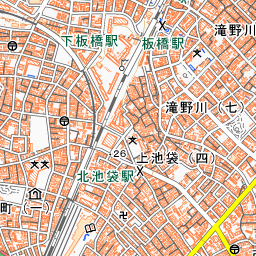
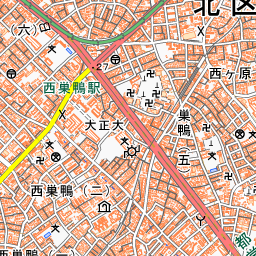
Bankoro is located in the former Shibusawa Garden, about 80 meters east-southeast of the main building of the Shibusawa Memorial Museum. As a facility of the museum, admission is combined with the main building and Seien Bunko. It is a good idea to visit after learning about Eiichi's life at the main building.
Since you must take off your shoes to enter the building, please wear socks. Wheelchairs cannot enter. At times, the interior may not be open for viewing due to events or other reasons. Even just looking at the red-tiled roof and the colors of the walls from the outside, you can enjoy the charm of the building.
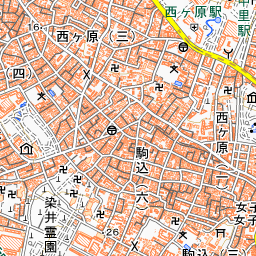
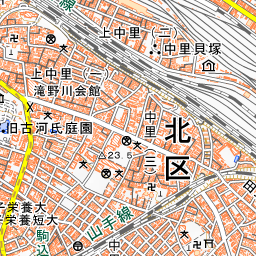
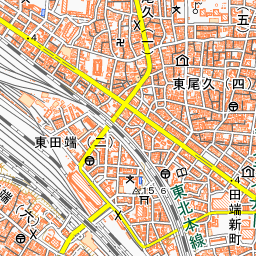
Spot location © OpenStreetMap contributors (ODbL)
Open in Google MapsUse asobot while you walk
- See where you are on the map and find spots nearby
- Listen to the guide's audio in course order, one after another (with subtitles)
- Walk to the next spot while following the map
Open on your phone
Scan to open this spot in asobot on your phone.