 ✨ AI Generated
Shukkeien Garden
Japanese: 縮景園
Naka Ward, Hiroshima
This information was written by AI and may contain mistakes. Please check official sources for opening hours, fees, and other details before you go.
Found a mistake? Let us know with “✏️ Something's wrong” on this spot's screen in asobot →
🎧 Audio guide(0:58)
In short
Shukkeien Garden is a daimyo garden whose construction was begun in 1620 (Genna 6) by Asano Nagaakira, the first lord of the Hiroshima Asano Clan, as a garden for his villa. It is a circular promenade-style (kaiyushiki) garden where visitors can enjoy changing scenery while walking around the pond; after suffering catastrophic damage from the atomic bomb on August 6, 1945, it reopened in 1951 (Showa 26). It was designated as a national Place of Scenic Beauty in 1940 (Showa 15).
- Takuei-chi Pond and Koko-kyo Bridge: Koko-kyo, the stone arched bridge that is iconic of the garden, spans the center of the pond, which is dotted with large and small islands reminiscent of the islands of Setouchi
- A-bombed trees and cenotaph: Surviving A-bombed trees remain in the garden, including a giant ginkgo, Japanese black pine, and muku tree, and a cenotaph also stands to memorialize the victims buried inside the garden following the atomic bomb
- Seasonal flowers and komomaki: The garden is colored by cherry blossoms and peach flowers in spring, autumn foliage in fall, and plum blossoms and camellias in winter, and in winter "komomaki" (wrapping straw around tree trunks), which also serves to protect trees, is carried out
History and Highlights
Shukkeien Garden is a daimyo garden whose construction was begun in 1620 (Genna 6) by Asano Nagaakira, the first lord of the Hiroshima Asano Clan, as a garden for his villa. The construction was overseen by Ueda Soko, who served as a chief retainer and was also a tea master. Afterward, successive feudal lords made modifications to bring it to almost its current form. As for the origin of its name, it is said either to come from the concept of gathering miniature landscapes of mountains and seas here, or from having modeled and shrunk the scenery of China's famed West Lake. It was designated as a national Place of Scenic Beauty in 1940 (Showa 15), and marked the 400th anniversary of its creation in 2020.
The garden is a circular promenade-style (kaiyushiki) garden where visitors can enjoy changing scenery while walking around the pond. In addition to a major fire during the Edo period, it suffered catastrophic damage from the atomic bomb on August 6, 1945, losing buildings such as the Seifukan and having its large trees burned. Restoration work began in 1949 (Showa 24), and it reopened in 1951 (Showa 26). The reconstruction of buildings continued thereafter, and with the completion of the Meigetsu-tei teahouse in 1974 (Showa 49), the restoration project spanning roughly 30 years was almost completely finished.
Viewing and Experience Highlights
- Takuei-chi Pond and Koko-kyo Bridge: Takuei-chi, located at the center of the garden, is a pond dotted with large and small islands reminiscent of the islands of Setouchi. Water is drawn from the Kyobashi River flowing to the north; because it is close to the river mouth, fresh water and sea water are mixed. Koko-kyo, the stone arched bridge spanning the center of the pond, is an iconic bridge of the garden, which, along with the artificial hills (tsukiyama), retained its historic appearance despite being heavily damaged by the atomic bombing.
- Seifukan and A-Bombed Trees: The Seifukan tea pavilion, standing almost in the center of the garden, is a sukiya-zukuri style building restored after the war. Inside the garden, surviving A-bombed trees remain, including a giant ginkgo, Japanese black pine, and muku tree (Aphananthe aspera). A cenotaph also stands to memorialize the victims buried inside the garden following the atomic bomb.
- Seasonal Flowers and Events: The garden is colored by cherry blossoms and peach flowers in spring, fresh greenery in summer, autumn foliage in fall, and plum blossoms and camellias in winter. In winter, "komomaki" (wrapping straw around tree trunks), which also serves to protect trees, is carried out and has become a seasonal tradition. Tea ceremonies associated with seasonal events and flowers are also held.
Walking Tips
As you walk along the path surrounding the pond, the views of the islands, bridge, and artificial hills change, so take your time to circle around while pausing along the way. Hiroshima Prefectural Art Museum is located right next to the garden, and visiting both together is recommended. From the Peace Memorial Park area, you can visit not only by streetcar or bus, but also by water taxi that travels along the river.
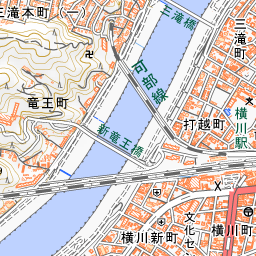
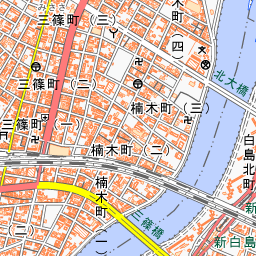
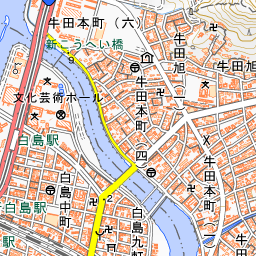
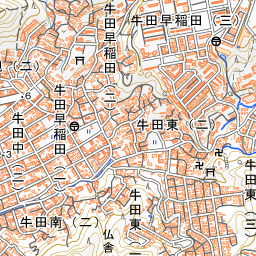
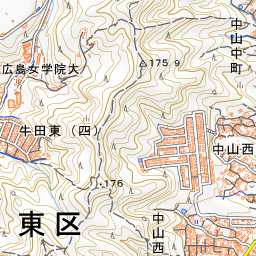
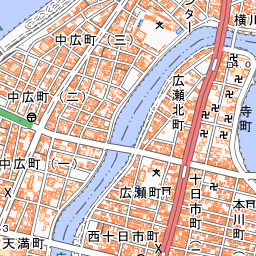
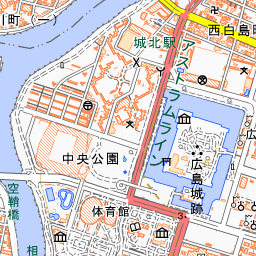
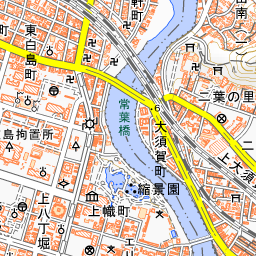
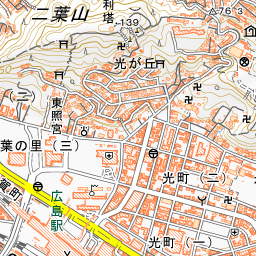
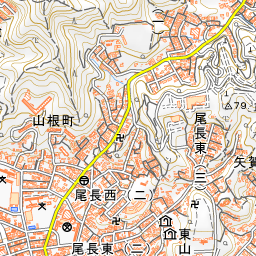
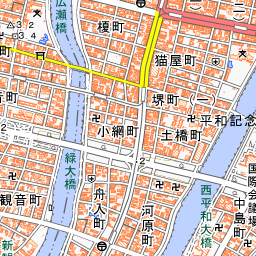
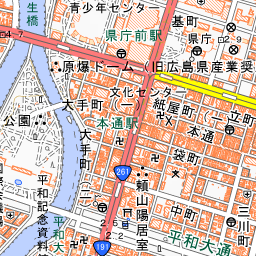
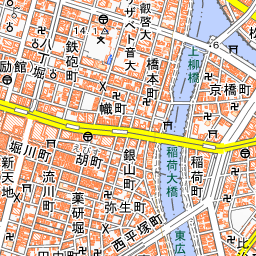
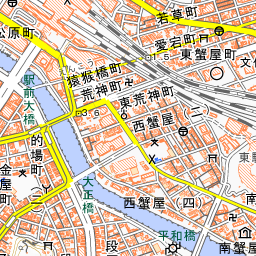
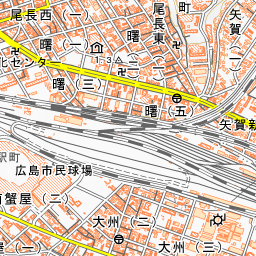
Spot location © OpenStreetMap contributors (ODbL)
Open in Google MapsGuides that include this spot (2)
Use asobot while you walk
- See where you are on the map and find spots nearby
- Listen to the guide's audio in course order, one after another (with subtitles)
- Walk to the next spot while following the map
Open on your phone
Scan to open this spot in asobot on your phone.