 ✨ AI Generated
Mausoleum of Emperor Suinin
Japanese: 垂仁天皇陵
Nara City, Nara
This information was written by AI and may contain mistakes. Please check official sources for opening hours, fees, and other details before you go.
Found a mistake? Let us know with “✏️ Something's wrong” on this spot's screen in asobot →
🎧 Audio guide(1:08)
In short
The Mausoleum of Emperor Suinin is a keyhole-shaped tumulus (kofun) with a mound length of about 227 meters, surrounded by a water-filled moat. Designated by the Imperial Household Agency as the mausoleum of the 11th emperor, Emperor Suinin, it is commonly known as the Horaisan Kofun. A small island floating in the moat is said to be the grave of Tajimamori, who passed away following the death of the emperor.
- A Tumulus Surrounded by a Moat: Stretching west of Kintetsu Amagatsuji Station, it is encircled by a moat.
- A Small Island in the Moat: A satellite tomb (baicho) handed down as the grave of Tajimamori.
- The Story of the Origins of Sweets: The tachibana citrus brought back by Tajimamori is said to be the origin of sweets.
History and Highlights
The Mausoleum of Emperor Suinin is a keyhole-shaped tumulus spreading west of Amagatsuji Station on the Kintetsu Kashihara Line. The Imperial Household Agency designates this tumulus as the mausoleum of Emperor Suinin, with the mausoleum's official name being Sugawara no Fushimi no Higashi no Misasagi. The burial mound is approximately 227 meters long, ranking among the top 20 largest in Japan. Including the surrounding moat, the tumulus has a total length of 330 meters. It was constructed around the late 4th century to the early 5th century during the Kofun period.
The person actually buried here is not clear. Because its keyhole shape was likened to Mount Horai, a mountain where immortals dwell, it is commonly called the Horaisan Kofun.
Emperor Suinin is considered the 11th emperor in the Kojiki and the Nihon Shoki, and was the third prince of Emperor Sujin. The Nihon Shoki records that he was "buried in the Sugawara no Fushimi Mausoleum," and the Kojiki states that "the imperial mausoleum is located within Mitachino of Sugawara." It is handed down that Emperor Suinin abolished the custom of following one's master in death upon the advice of Nomi no Sukune, replacing it with the placement of haniwa (clay figures).
Highlights for Viewing and Experiencing
- The Mound Surrounded by a Moat: The circular rear section has a diameter of about 123 meters, and the rectangular front section has a width of about 118 meters. Its appearance, encircled by a water-filled moat, is described as resembling the form of Mount Horai.
- The Satellite Tomb of Tajimamori: The small island floating as if nestled beside the imperial mausoleum is said to be the grave of Tajimamori, who grieved the emperor's death and died following him. Outside the moat stands a stone monument that reads "Worship Site for the Tomb of Tajimamori no Mikoto, Ancestral God of Sweets (Kasojin)."
- Tachibana Citrus and Sweets: Emperor Suinin is said to have ordered Tajimamori to search for the "Tokijiku no Kagu no Konomi," an evergreen fruit granting eternal youth and longevity, which refers to the tachibana citrus. Because this fruit is said to be the origin of sweets, Tajimamori is also revered as the deity of sweets.
Walking Tips
It is about a 5-minute walk from Kintetsu Amagatsuji Station. Stand by the moat and take in the view of the burial mound across the water alongside the small island in the foreground. Toshodai-ji Temple is about 590 meters to the southeast, and Kiko-ji Temple is about 640 meters to the northwest, making it easy to stop by during a temple tour of Nishinokyo.
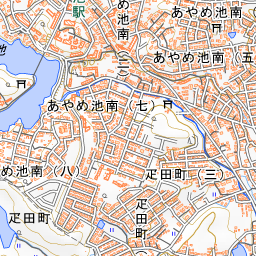

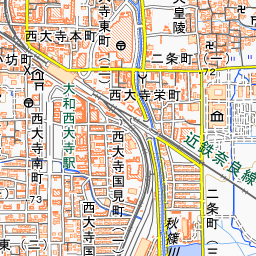
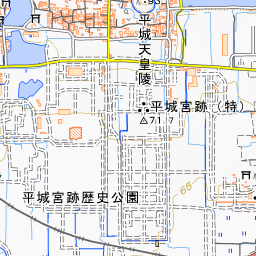
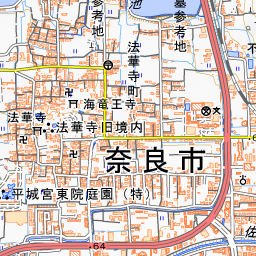
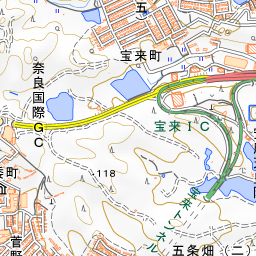
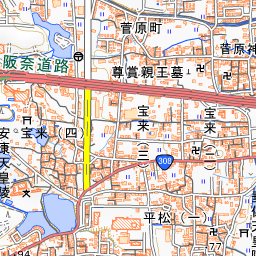
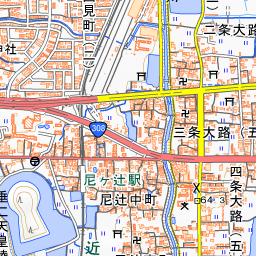
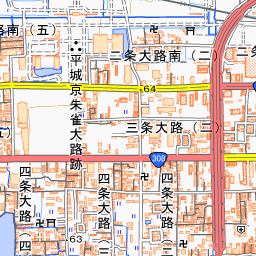
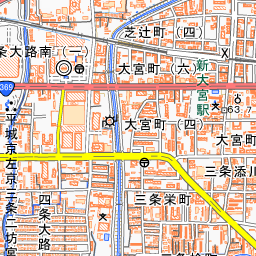
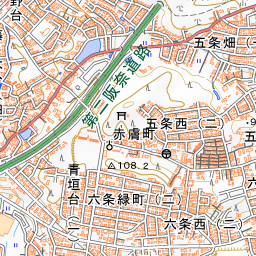
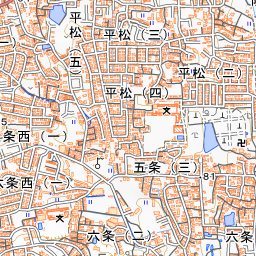
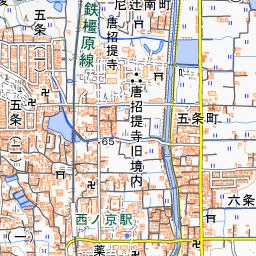
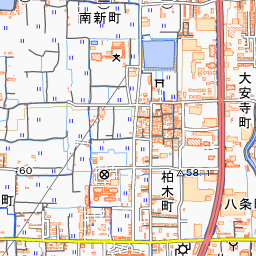
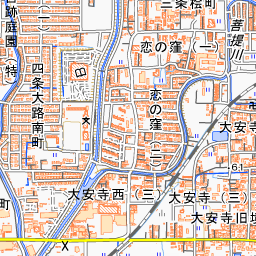
Spot location © OpenStreetMap contributors (ODbL)
Open in Google MapsGuides that include this spot (1)
Use asobot while you walk
- See where you are on the map and find spots nearby
- Listen to the guide's audio in course order, one after another (with subtitles)
- Walk to the next spot while following the map
Open on your phone
Scan to open this spot in asobot on your phone.