 ✨ AI Generated
Sayama Pond
Japanese: 狭山池
Osakasayama, Osaka
This information was written by AI and may contain mistakes. Please check official sources for opening hours, fees, and other details before you go.
Found a mistake? Let us know with “✏️ Something's wrong” on this spot's screen in asobot →
🎧 Audio guide(1:13)
In short
Japan's oldest dam-style reservoir, located in the central part of Osakasayama City. It was constructed around 616 during the Asuka period by damming the Nishiyoke River, and with renowned historical figures such as Gyoki, Chogen, and Katagiri Katsumoto involved in its renovations, it has continued to provide water to the Minamikawachi plains for as long as 1,400 years. Through the "Heisei Renovation," it was transformed into the "Sayama Pond Dam," which also serves to prevent flooding; it was registered as a World Heritage Irrigation Structure in 2014 and designated as a national Historic Site in Heisei 27 (2015).
- A Scenery Beloved Since Ancient Times: During the Heian period, Sei Shonagon counted it among the interesting ponds in The Pillow Book (Makura no Soshi). In the Edo period, the "Eight Views of Sayama" were selected, and the pond has been celebrated in the verses of numerous poets and waka poets
- Cherry Blossoms: Around 1,300 cherry trees, including the early-blooming Koshinohigan variety, are planted in Sayama Pond Park surrounding the pond, which bustles with many flower viewers in spring
- Waterside Nature and Wild Birds: On the south embankment, mudflats have been restored, serving as a venue for nature observation such as birdwatching, where a variety of wild birds can be encountered in every season
History and Highlights
Sayama Pond, located in the central part of Osakasayama City, is Japan's oldest dam-style reservoir. It was constructed around 616 during the Asuka period by damming the Nishiyoke River. Mentions of it can be found in ancient chronicles such as the Kojiki and Nihon Shoki, and renowned historical figures have been involved in its renovations, including Gyoki during the Nara period, Chogen during the Kamakura period, and Katagiri Katsumoto in the early Edo period. For as long as 1,400 years, through repeated repairs and modifications, it has continued to provide water to the Minamikawachi plains.
Triggered by a major flood in the Nishiyoke River basin in August 1982, the "Heisei Renovation" was carried out from 1988 to 2002 to convert it into a flood control dam. The pond bed was excavated by an average of about 3 meters, and the embankments were raised by about 1.1 meters, transforming it into the "Sayama Pond Dam," which also serves to prevent flooding. In 2014, it was registered as a World Heritage Irrigation Structure, and in 2015, it was designated as a national Historic Site.
Sights and Experiences
- A Scenery Beloved Since Ancient Times: During the Heian period, Sei Shonagon counted it among the interesting ponds in The Pillow Book (Makura no Soshi). In the Edo period, the "Eight Views of Sayama" were selected, and Sayama Pond was celebrated in the verses of numerous poets. In 1941, it was designated as the very first Historic Site and Place of Scenic Beauty by Osaka Prefecture.
- Cherry Blossoms of the North Embankment: The cherry blossoms that once bloomed in abundance along the north embankment were so magnificent that they were described as the "Spring Haze of Sayama," attracting crowds of visitors eager for flower viewing. Today, around 1,300 cherry trees, including the early-blooming Koshinohigan variety, are planted in Sayama Pond Park surrounding the pond, bustling with many visitors during spring.
- Waterside Nature and Wild Birds: Surrounding the pond are natural stone revetments and walking trails that encircle the water. On the south embankment, mudflats have been restored, serving as a venue for nature observation such as birdwatching, where a variety of wild birds can be encountered in every season. Sayama Pond Park has also been selected as one of "Japan's Top 100 Historical Parks."
Visiting Tips
The pond is about a 10-minute walk from Osakasayamashi Station on the Nankai Koya Line. On the north embankment stands the Osaka Prefectural Sayamaike Museum, which exhibits cultural properties illustrating the long history of Sayama Pond, including a cross-section of the pond's embankment and wooden conduits buried to channel water to surrounding fields. After enjoying the scenery along the walking trails, tracing the history of the renovations at the museum offers a deep appreciation of how this pond has been preserved for 1,400 years. The community-organized "Sayamaike Festival," which uses the entire pond area as its venue, is also held here.
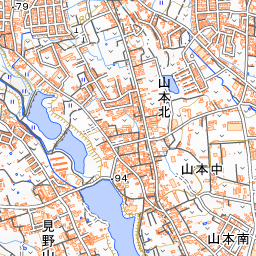
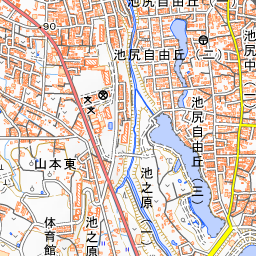
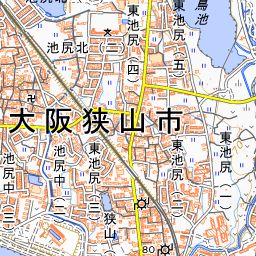
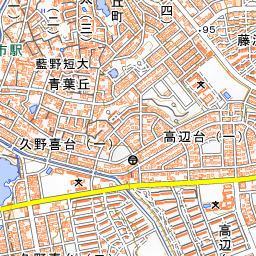
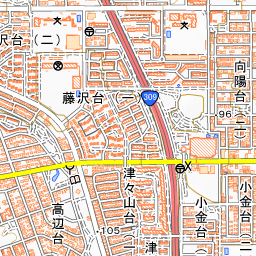
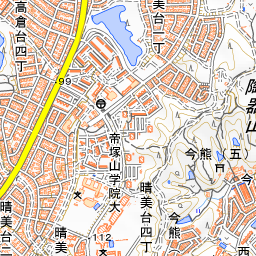
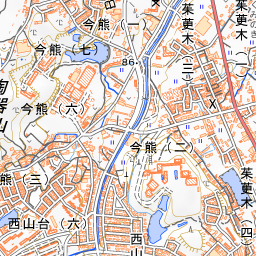
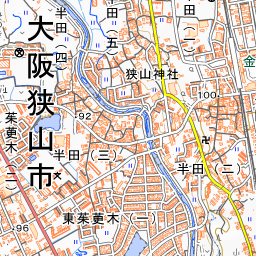
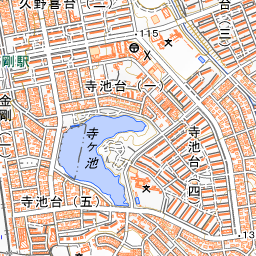
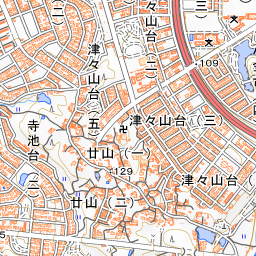
Spot location © OpenStreetMap contributors (ODbL)
Open in Google MapsGuides that include this spot (1)
Use asobot while you walk
- See where you are on the map and find spots nearby
- Listen to the guide's audio in course order, one after another (with subtitles)
- Walk to the next spot while following the map
Open on your phone
Scan to open this spot in asobot on your phone.