 ✨ AI Generated
Shimabara Omon Gate
Japanese: 島原大門
Shimogyo Ward, Kyoto
This information was written by AI and may contain mistakes. Please check official sources for opening hours, fees, and other details before you go.
Found a mistake? Let us know with “✏️ Something's wrong” on this spot's screen in asobot →
🎧 Audio guide(1:04)
In short
A gate standing at the eastern entrance to Shimabara, which flourished as a publicly licensed hanamachi (pleasure quarter) in the Edo period. The present gate was rebuilt in 1867 (Keio 3) after burning down in the Great Fire of 1854 (Kaei 7), and is a Registered Tangible Cultural Property of Kyoto City.
- Origin of the Name Shimabara: In 1641 (Kanei 18), when the quarter was relocated from Rokujo-Misujimachi to its present site by order of the authorities, the commotion was reminiscent of the Shimabara Rebellion that had occurred in Kyushu a few years earlier, and so it came to be called "Shimabara"
- A Full-Scale Koraimon Gate: In 1867 (Keio 3), it was rebuilt as a full-scale koraimon gate on par with the gates of shrines and temples, and in that form it still marks the entrance to the hanamachi today
- Deguchi Willow: The willow in front of the gate is known by names such as "Deguchi Willow," and Otagaki Rengetsu, a poet of the late Edo period, left a waka poem titled "Seeing the Deguchi Willow of Shimabara"
History and Highlights
Shimabara Omon Gate is a gate standing at the eastern entrance to Shimabara, which flourished as an officially licensed pleasure quarter (hanamachi) during the Edo period. The official place name of Shimabara is Nishi-Shinyashiki. In 1641 (Kanei 18), when it was relocated from Rokujo-Misujimachi to its present site by official order, the commotion was reminiscent of the Shimabara Rebellion that occurred in Kyushu a few years earlier, which led to it being called "Shimabara." Shimabara was a town of banquets accompanied by song and dance, and waka poetry and haikai were also flourishing. Its business as a hanamachi continued until 1977 (Showa 52).
Around the time of its opening, Shimabara was surrounded by moats and walls, with only the main gate at the northeast corner serving as an entrance. In 1732 (Kyoho 17), a west gate was constructed, and in 1766 (Meiwa 3), the main gate was relocated to its current position at the eastern end of the Dosuji street running east to west through the center of the town. After burning down in the Great Fire of 1854 (Kaei 7), the current main gate was rebuilt in 1867 (Keio 3). In 1986 (Showa 61), it was designated as a Registered Tangible Cultural Property of Kyoto City.
Viewing and Experience Points
- A Koraimon Gate on Par with Shrines and Temples: While the earliest gate is not clearly known, it is believed to have been a kabukimon (crossbar gate) in 1729 (Kyoho 14), which later changed its form to a heijumon and then an udekimon (bracket gate). Following the great fire, it was rebuilt as a simple kabukimon, but in 1867 it was rebuilt into a full-scale koraimon comparable to the gates of shrines and temples, conveying the entrance to the hanamachi in that form today.
- Deguchi Willow: The willow tree in front of the gate is known by names such as "Deguchi Willow." The late-Edo period poet Otagaki Rengetsu wrote a waka poem entitled "Seeing the Deguchi Willow of Shimabara": "Fond memories / in the spring breeze flutter willow brows / flickering lights / at the dusk of the village."
- The Open Extent of the Hanamachi: Beginning in 1842 (Tenpo 13), the earthen walls and moats were removed, making Shimabara an open town that anyone could enter and exit. The town spans an area of approximately 195 meters east-to-west and approximately 242 meters north-to-south, extending from the main gate west to Senbon-dori Street, with six neighborhood units (machi) lined along the street running west from the main gate.
Walking Tips
Walking about 170 meters west through the main gate, you will find the Sumiya Motenashi Cultural Art Museum, which opens to the public the building of the ageya (banquet hall) that served as an entertainment venue in Shimabara. Heading about 550 meters east from the main gate brings you to Nishi Hongwanji Temple, and about 570 meters south takes you to Umekoji Park. We invite you to stroll through the gate, the willow, and Sumiya together while contemplating the origins of Shimabara.
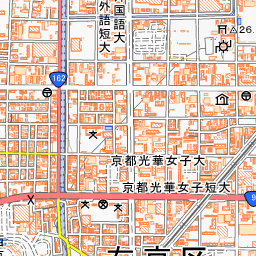
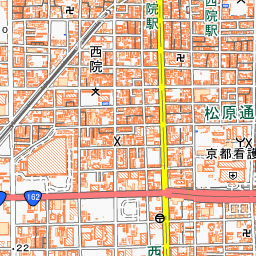
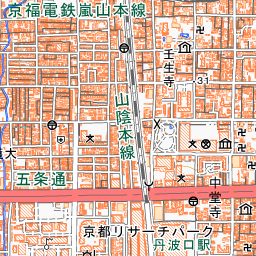
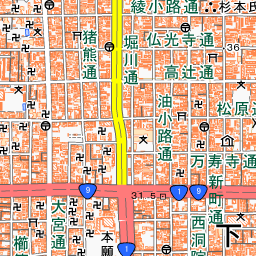

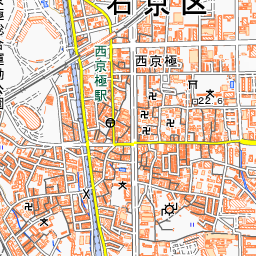
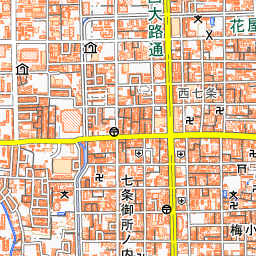
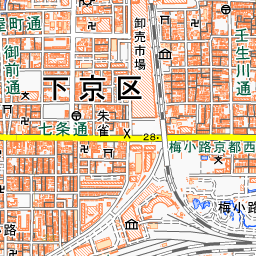
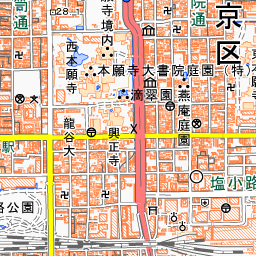
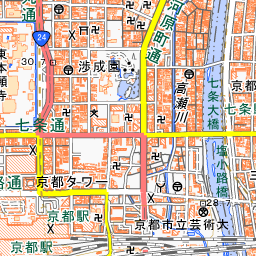
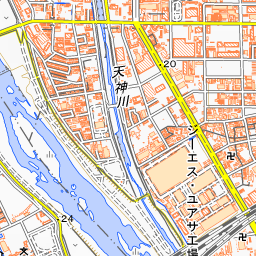
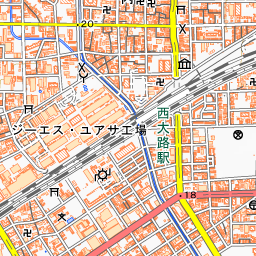
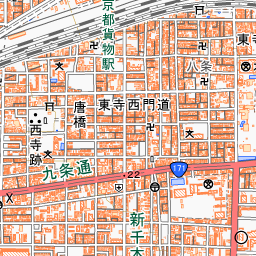
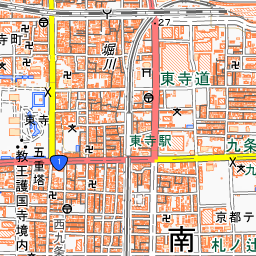
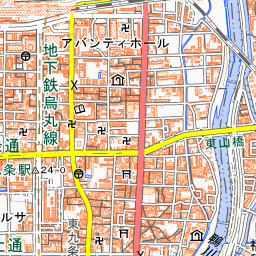
Spot location © OpenStreetMap contributors (ODbL)
Open in Google MapsGuides that include this spot (1)
Use asobot while you walk
- See where you are on the map and find spots nearby
- Listen to the guide's audio in course order, one after another (with subtitles)
- Walk to the next spot while following the map
Open on your phone
Scan to open this spot in asobot on your phone.