 ✨ AI Generated
Kuhonbutsu Joshin-ji Temple
Japanese: 九品仏浄真寺
Setagaya City, Tokyo
This information was written by AI and may contain mistakes. Please check official sources for opening hours, fees, and other details before you go.
Found a mistake? Let us know with “✏️ Something's wrong” on this spot's screen in asobot →
🎧 Audio guide(0:59)
In short
Kuhonbutsu Joshin-ji Temple is a Jodo sect Buddhist temple located in Okusawa, Setagaya Ward, Tokyo. Because it enshrines nine statues of Amida Nyorai (Amitabha Tathagata), it is affectionately known by the name "Kuhonbutsu."
- Nine Statues of Amida Nyorai: Housed in three halls with three statues in each, these statues all measure around 2.8 meters in height, and all nine are designated Cultural Properties of Tokyo.
- Temple Grounds Lined with Edo-period Halls: The layout of the halls is said to be almost unchanged from how it was depicted in the "Edo Meisho Zue" (an illustrated guide to famous places in Edo) from the Edo period.
- Omenkaburi: A ritual procession in which people wearing masks of bodhisattvas walk across a bridge built between the Jobondo hall and the main hall; it is designated an Intangible Folk Cultural Property of Tokyo.
History and Highlights
Joshin-ji Temple belongs to the Jodo sect, and its formal name is Kuhonsan Yuizainenbutsuin Joshin-ji. It was founded by the early Edo-period monk Kaseki Shonin. In 1678 (the 6th year of the Empo era), he was granted this land where Okusawa Castle once stood and opened the temple. The earthen bank surrounding the grounds is a remnant of Okusawa Castle's earthen ramparts.
The layout of the temple grounds is based on the Jodo sect scripture "Kanmuryoju-kyo" (Contemplation Sutra). It is said that there are nine stages of rebirth into the Pure Land (gokuraku). Therefore, three halls were arranged on the west side of the main hall—the Jobondo in the center, the Chubondo on the north, and the Gebondo on the south—enshrining three statues of Amida Nyorai in each. This is the origin of the name "Kuhonbutsu." The arrangement of these halls is said to have remained almost unchanged from its depiction in the Edo period's "Edo Meisho Zue."
The nine statues were carved by Kaseki Shonin in 1667 (the 7th year of the Kanbun era). All of them measure around 2.8 meters in height, and all nine are designated Cultural Properties of Tokyo. Inscriptions on ridgepole plaques indicate that the three halls had their framework raised in 1698 (the 11th year of the Genroku era), and they are designated Tangible Cultural Properties of Setagaya Ward. A restoration project has been underway since 2014, taking about 20 years to restore the statues one by one.
Key Appreciation and Experience Points
- Comparing the Hand Gestures: All nine statues have different hand gestures (mudras). The statues in the Jobondo hold the "Mida Jo-in" (meditation mudra of Amida), those in the Chubondo hold the "Seppo-in" (teaching mudra), and those in the Gebondo hold the "Raigo-in" (welcoming mudra), with the finger positions differing on each individual statue. Try visiting the three halls in order to compare them.
- Niomon Gate and Bell Tower: The Niomon, serving as the main gate (sanmon), was built in 1793 (the 5th year of the Kansei era). The upper floor is called the "Shiunro," where statues of Amida Buddha and the Twenty-Five Bodhisattvas are enshrined. The bell tower was erected in 1708 (the 5th year of the Hoei era), and the carvings of the twelve zodiac signs on its four sides are said to be masterpieces.
- Omenkaburi: Formally known as the "Amida Nyorai Nijugo Bosatsu Raigoe," this is an event that has continued since the Edo period. It depicts Amida Nyorai descending from the Pure Land accompanied by twenty-five bodhisattvas to welcome the spirit of someone chanting the nembutsu at their deathbed. On the day of the event, a bridge is erected between the Jobondo and the main hall, and people wearing bodhisattva masks process across the bridge. It is designated an Intangible Folk Cultural Property of Tokyo and has been selected by the national government as an Intangible Folk Cultural Property that requires documentation and other measures. A Raigoe ritual featuring a procession of people wearing bodhisattva masks is said to be the only example in the Kanto region.
Tips for Exploring
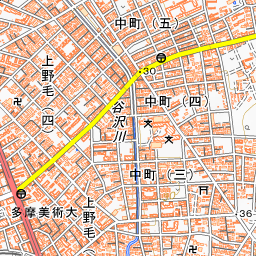
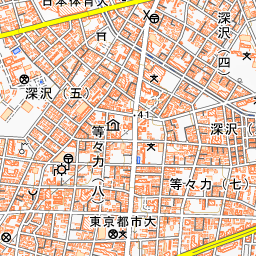
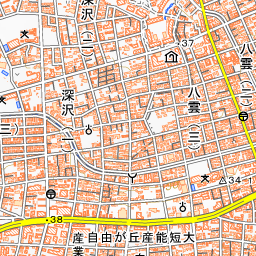
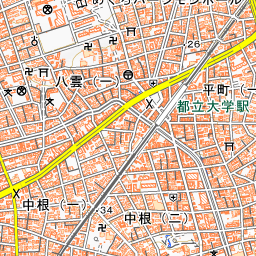
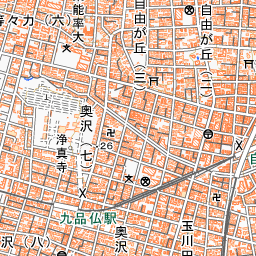
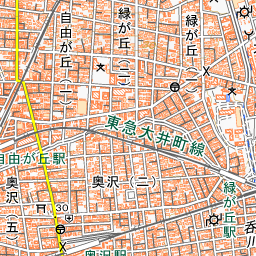
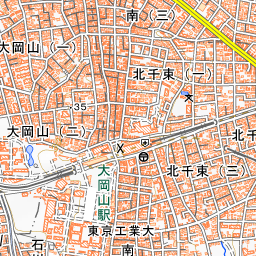
It is about a 5-minute walk from Kuhombutsu Station on the Tokyu Oimachi Line. Following the approach that extends from the station and passing through the Somon (outer gate), you will find the Ryugoden, which is the main hall, past the Niomon gate. Enshrined on the pillars in the inner sanctuary of the Ryugoden are two dragons, said to have been memorialized by Kaseki Shonin, which serve as guardian deities of the temple. After paying respects at the main hall, proceed to the three halls lined up on the opposite side. Within the grounds, there are also large Japanese nutmeg trees (kaya) and old ginkgo trees; the kaya tree is even said to be over 800 years old.
Guides that include this spot (1)
Use asobot while you walk
- See where you are on the map and find spots nearby
- Listen to the guide's audio in course order, one after another (with subtitles)
- Walk to the next spot while following the map
Open on your phone
Scan to open this spot in asobot on your phone.