 ✨ AI Generated
Katsuragi Hitokotonushi-jinja Shrine
Japanese: 葛城一言主神社
Gose, Nara
This information was written by AI and may contain mistakes. Please check official sources for opening hours, fees, and other details before you go.
Found a mistake? Let us know with “✏️ Something's wrong” on this spot's screen in asobot →
🎧 Audio guide(1:03)
In short
Katsuragi Hitokotonushi-jinja Shrine is an ancient shrine located at the eastern foot of Mt. Yamato-Katsuragi in Gose City. It enshrines Hitokotonushi-no-Okami, who according to the Kojiki and Nihon Shoki appeared before Emperor Yuryaku. Said to grant any wish as long as it is expressed in a single word, the deity is affectionately known as "Ichigon-san."
- Head Shrine of Hitokotonushi-no-Kami: It is the head shrine of all shrines nationwide that enshrine Hitokotonushi-no-Kami.
- Chichi Icho (Breast Ginkgo): Standing to the left of the haiden (worship hall) is a giant ginkgo tree estimated to be 1,200 years old.
- Grounds Steeped in Lore: The shrine grounds feature the Kumozuka mound associated with the legend of the Tsuchigumo, the Kame-ishi Stone connected to En no Gyoja, and a haiku monument of Matsuo Basho.
History and Highlights
Katsuragi Hitokotonushi-jinja Shrine stands at the eastern foot of Mt. Yamato-Katsuragi. Its formal name is Katsuragi ni Imasu Hitokotonushi-jinja Shrine, and it is warmly known to locals as "Ichigon-san."
The enshrined deities are Hitokotonushi-no-Okami and Wakatakeru no Mikoto, who is Emperor Yuryaku. The tale of the great deity appearing before Emperor Yuryaku is recorded in the Kojiki and Nihon Shoki. According to the Kojiki story transmitted by the shrine, when Emperor Yuryaku went hunting on Mt. Katsuragi, Hitokotonushi-no-Okami appeared in the exact same guise as the emperor. Realizing this was the great deity, the emperor is said to have offered swords, bows and arrows, and the garments of his attendants. The deity proclaimed, "I am the deity who pronounces ill with a single word and good with a single word, Kotosaka-no-Kami, the great deity Katsuragi Hitokotonushi." This shrine stands on the ground where the deity is said to have appeared.
From this story, the deity has drawn devotion as one who will grant any wish if it is made in a single word. It is the head shrine among all shrines nationwide that enshrine Hitokotonushi-no-Kami, and religious associations (ko) for worshipping here exist throughout various regions. In the Engishiki, it was ranked as a Myojin Taisha. It is also said that Saicho prayed here in the 23rd year of Enryaku (804) before departing for Tang China.
The shrine also has deep ties to Shugendo practitioners, and it is said that ascetics entering Mt. Katsuragi always visited to pray. This deity also appears in the legend of En no Gyoja. When building a bridge between Mt. Katsuragi and Mt. Kinpu in Yoshino, the deity, who was said to be hideous in appearance, felt ashamed and reportedly worked only at night.
Highlights for Viewing and Experiencing
- Chichi Icho: A giant ginkgo tree to the left facing the haiden, estimated to be 1,200 years old. It is also called "Chichi Icho" (breast ginkgo) or "Yadorigi." It is said that praying here brings the blessing of children and ensures an abundant flow of breast milk.
- Basho's Haiku Monument: A stone monument inscribed with a haiku by Matsuo Basho stands within the grounds. Reflecting on the legend that the deity had an ugly face, Basho composed: "All the more I wish to see, in the dawning light among blossoms, the face of the deity."
- Kumozuka and Kame-ishi Stone: Kumozuka is a mound said to hold the buried remains of the Tsuchigumo vanquished by Emperor Jinmu. The Kame-ishi Stone is a turtle-shaped stone said to have been placed by En no Gyoja on top of a black serpent he had subdued.
Tips for Exploring
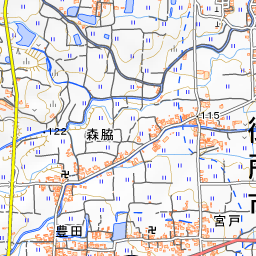
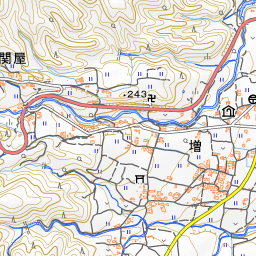
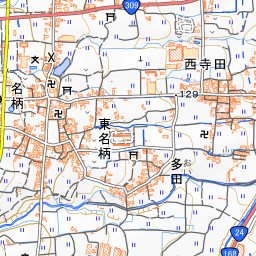
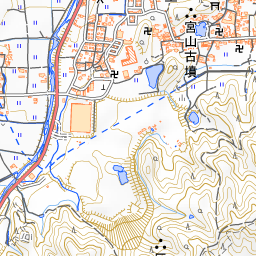
From JR and Kintetsu Gose Stations, it takes about 50 minutes on foot or about 10 minutes by taxi. If taking the Gose City Community Bus, get off at Moriwaki and walk. As it lies along the Katsuragi Kodo, stopping by while walking the ancient road is also a good option. From Kuhon-ji Temple, it takes about 25 minutes on foot via the Takaoka-no-miya Palace Site monument. Rural landscapes stretch around the shrine, and red spider lilies bloom all around during the autumn equinox. After entering the sando (approach) through a stone torii gate and climbing the stairs, a large haiden awaits. During the Autumn Grand Festival (Goshinka-sai) on September 15, prayer sticks inscribed with wishes are burned in the sacred fire altar.
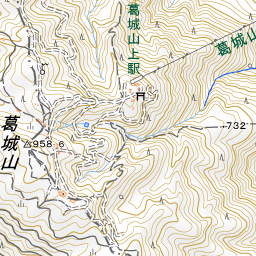
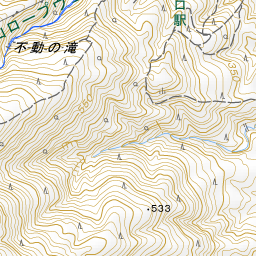
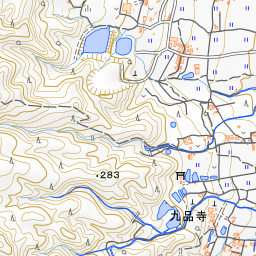
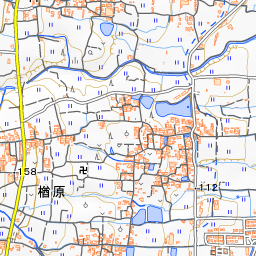
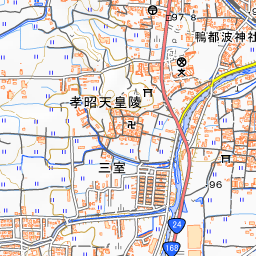
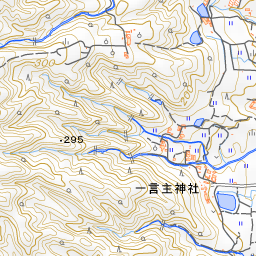
Spot location © OpenStreetMap contributors (ODbL)
Open in Google MapsGuides that include this spot (2)
Use asobot while you walk
- See where you are on the map and find spots nearby
- Listen to the guide's audio in course order, one after another (with subtitles)
- Walk to the next spot while following the map
Open on your phone
Scan to open this spot in asobot on your phone.