 ✨ AI Generated
Takehara Historic Preservation District
Japanese: 竹原町並み保存地区
Takehara, Hiroshima
This information was written by AI and may contain mistakes. Please check official sources for opening hours, fees, and other details before you go.
Found a mistake? Let us know with “✏️ Something's wrong” on this spot's screen in asobot →
🎧 Audio guide(1:09)
In short
This district is an area where merchant houses dating back to the Edo period line Honmachi-dori Street, running through the center of Takehara. In December 1982, it was selected as a national Important Preservation District for Groups of Traditional Buildings, as the streetscape of a "salt-producing town" that prospered through salt production. Because of its serene townscape lined with merchant houses, it is also referred to as "Little Kyoto of Aki."
- Architecture of the Merchant Houses: Lining the street are two-story, gabled merchant houses roofed with tiles and covered with plaster walls. Many were built from the mid-Edo period to the Meiji period
- Varieties of Lattice: The fronts of the merchant houses feature various styles of lattices, such as degoshi (projecting lattices), hiragoshi (flat lattices), and senbongoshi (fine-slat lattices)
- Residences of Salt Pan Owners: Visitors can step inside the Former Matsusaka Family Residence and the Former Kasai Residence to catch a glimpse of the lifestyle of those who made their fortunes in salt fields
History and Highlights
Takehara Historic Preservation District is an area where merchant houses dating back to the Edo period line Honmachi-dori Street, running through the center of Takehara. Its official name is the "Takehara City Takehara District Preservation District for Groups of Traditional Buildings," and it was selected as a national Important Preservation District for Groups of Traditional Buildings in December 1982. Its designated category is "salt-producing town," reflecting its evaluation as a streetscape that prospered through salt production.
At the beginning of the Edo period, Takehara adopted irihama-style salt fields from Ako ahead of others, spreading the name of "Takehara Salt" nationwide. Based on salt production, local townsfolk expanded their commerce into brewing (including sake), shipping, and wholesale, leading the town to thrive greatly. Through trade with the Kamigata (Kyoto-Osaka) region, the locals developed an appreciation for scholarship, Chinese poetry, and the tea ceremony; with many scholars emerging from the area, including the family of Rai Sanyo, it also flourished as a center of culture and education. In 2019, it was recognized as a Japan Heritage site as one of the ports of call for Kitamaebune merchant ships. Because of its serene townscape lined with traditional merchant houses, it is also referred to as "Little Kyoto of Aki."
Viewing and Experience Highlights
- Architecture of the Merchant Houses: Lining the street are two-story, gabled merchant houses roofed with tiles and covered with plaster walls. Many were built from the mid-Edo period to the Meiji period. A mixture of tsumairi (gable-entry) and hirairi (side-entry) designs, along with buildings featuring irimoya (hip-and-gable) roofs at street corners, brings variety to the townscape.
- Varieties of Lattice: The fronts of the merchant houses feature various styles of wooden lattices, such as degoshi (projecting lattices), hiragoshi (flat lattices), and senbongoshi (fine-slat lattices). The street lined with these lattices forms a cohesive scenery that combines calm with a touch of elegance.
- Residences of Salt Pan Owners: Starting with the Former Yoshii Family Residence built in 1691, the grand houses were equipped with spacious gardens, inner tatami rooms, and tea rooms. Visitors can step inside the Former Matsusaka Family Residence and the Former Kasai Residence to catch a glimpse of the lifestyle of those who made their fortunes in salt fields.
Strolling Tips
Honmachi-dori Street is about 500 meters long, a comfortable size for an unhurried walk. Near the southern entrance of the street sits Michi-no-Eki Takehara, which serves as a starting point for strolls. Along the street are the Takehara City History and Folklore Museum and the Fujii Sake Brewery Sakagura Exchange Hall, while elevated grounds are home to Fumeikaku Hall and Shoren-ji Temple; details for each of these attractions are provided in their respective spot guides. If you walk a little further south, you will also find the Former Morikawa Family Residence, a mansion dating from the Taisho period.

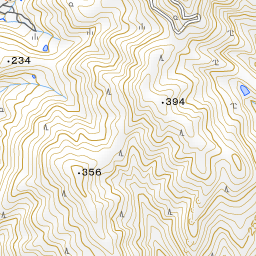
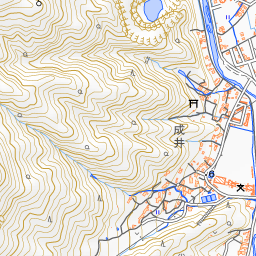
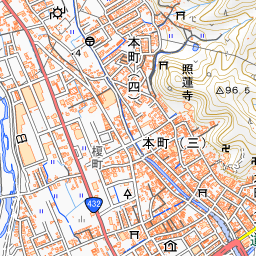
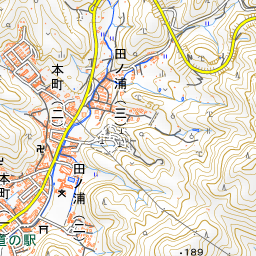

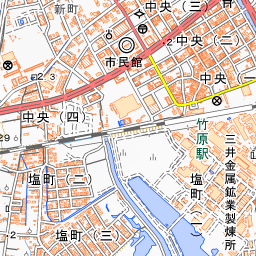

Spot location © OpenStreetMap contributors (ODbL)
Open in Google MapsGuides that include this spot (2)
Use asobot while you walk
- See where you are on the map and find spots nearby
- Listen to the guide's audio in course order, one after another (with subtitles)
- Walk to the next spot while following the map
Open on your phone
Scan to open this spot in asobot on your phone.