 ✨ AI Generated
Oyamato-jinja Shrine
Japanese: 大和神社
Tenri, Nara
This information was written by AI and may contain mistakes. Please check official sources for opening hours, fees, and other details before you go.
Found a mistake? Let us know with “✏️ Something's wrong” on this spot's screen in asobot →
🎧 Audio guide(1:11)
In short
Oyamato-jinja Shrine is an ancient shrine located in Niizumi-cho, Tenri City. It enshrines deities such as Yamato-okunitama-no-Kami, considered the guardian spirit of the land of Yamato. According to the Nihon Shoki, this deity was originally enshrined within the imperial palace. The shrine is also known for having had its divided spirit enshrined aboard the battleship Yamato during World War II.
- A Long Approach Through the Forest: The first torii gate stands facing the ancient road Kamitsumichi, leading to a tree-lined approach that continues toward the shrine pavilions.
- Chan-chan Matsuri Festival: In the Owatari procession held on April 1, participants advance while ringing gongs with a "chan-chan" sound.
- A Shrine of Senior First Rank: Deeply revered by the imperial court, the shrine was elevated to Senior First Rank (Shoichii), the highest divine rank, in 897.
History and Highlights
Oyamato-jinja Shrine is situated in Niizumi-cho, Tenri City, and is also called "Oyamato" (a shorter reading of "Ōyamato"). The deities enshrined here are Yamato-okunitama-no-Kami, Yachihoko-no-Kami, and Mitoshi-no-Kami. Yamato-okunitama-no-Kami is the guardian deity of Yamato and is regarded as the spirit of the land. Yachihoko-no-Kami is another name for Okuninushi-no-Kami, and Mitoshi-no-Kami is a guardian deity of grains.
According to the Nihon Shoki, Yamato-okunitama-no-Kami was originally enshrined inside the imperial palace alongside Amaterasu Omikami. During the reign of Emperor Sujin, fearing the divine power of these deities, the emperor decided to have Toyosukiirihime-no-Mikoto worship Amaterasu Omikami and Nunakiirihime-no-Mikoto worship Yamato-okunitama-no-Kami. However, it is said that Nunakiirihime-no-Mikoto's hair fell out and her body grew emaciated, leaving her unable to perform the rituals; the shrine's origin is traced to the emperor then having a man named Nagaoichi worship the deity. Nevertheless, a leading theory holds that the shrine's original grounds were located elsewhere.
The shrine has been deeply venerated by the imperial court since ancient times, and in December 897, it was raised to Senior First Rank, the pinnacle of divine ranks. Under the shrine ranking system of the Meiji period, it became a Kanpei-taisha (imperial shrine of the first rank). It is said that during the Nara period, envoys sent by imperial order to study in Tang China visited this shrine before departing to pray for safe travels. During World War II, a divided spirit of this shrine was enshrined aboard the battleship Yamato.
Points for Viewing and Experiencing
- The First Torii Gate on Kamitsumichi and the Approach: The shrine grounds are long and narrow from east to west, with the first torii gate facing Kamitsumichi, an ancient major road. Passing through a long approach enveloped in woodland brings you to three shrine pavilions that were rebuilt at the beginning of the Meiji period.
- The Owatari of the Chan-chan Matsuri: The most renowned event of the spring annual festival is the "Owatari" held on the afternoon of April 1. More than 100 people, including Shinto priests and parishioners, process toward the otabisho (temporary resting station) located about 2 kilometers to the southeast. Because the two-person-carried gongs make a "chan-chan" sound, the event came to be called the Chan-chan Matsuri.
- A Festival Continuing from the Middle Ages: Historical documents suggest that the Chan-chan Matsuri was held at least as early as the 15th century, and it has been designated an Intangible Folk Cultural Property of Nara Prefecture. The current procession route of the Owatari appears to remain unchanged from medieval times. It was formerly held on the first day of the fourth month of the lunar calendar, which corresponds to the time approaching the barley harvest in the modern calendar. It was a festival held in a season well suited for praying for abundant crops.
Walking Tips
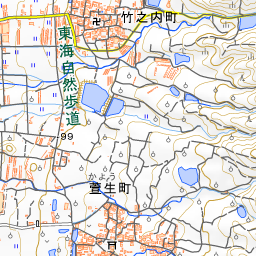
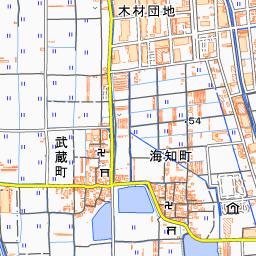
It is about a 7-minute walk from Nagara Station on the JR Sakurai Line. Enter from the first torii gate facing Kamitsumichi and walk along the approach surrounded by deep woods toward the shrine pavilions. On April 1, the Owatari procession heads for the otabisho near the Nakayama Otsuka Kofun Burial Mound. Kurozuka Kofun Burial Mound is located about 1.3 kilometers to the south-southeast, and the Mausoleum of Emperor Sujin is located about 1.8 kilometers to the southeast.
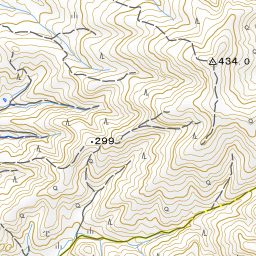
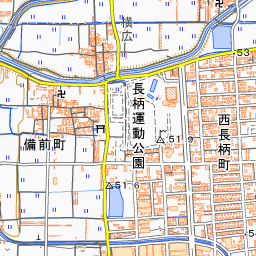
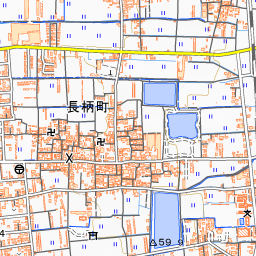
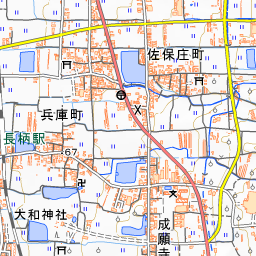
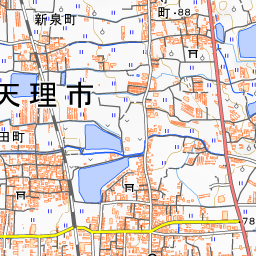
Spot location © OpenStreetMap contributors (ODbL)
Open in Google MapsUse asobot while you walk
- See where you are on the map and find spots nearby
- Listen to the guide's audio in course order, one after another (with subtitles)
- Walk to the next spot while following the map
Open on your phone
Scan to open this spot in asobot on your phone.