
Maenohara Onsen Saya-no-Yudokoro
Japanese: 前野原温泉さやの湯処
Itabashi City, Tokyo
This information was written by AI and may contain mistakes. Please check official sources for opening hours, fees, and other details before you go.
Found a mistake? Let us know with “✏️ Something's wrong” on this spot's screen in asobot →
🎧 Audio guide(1:04)
In short
Maenohara Onsen Saya-no-Yudokoro is a day-use natural hot spring facility located in Maeno-cho, Itabashi Ward. It was created by making use of an entrepreneur's residence built in 1946 and a garden completed the following year. It is known for its free-flowing, greenish-brown, cloudy natural spring water.
- Greenish-brown spring source: Highly concentrated sodium chloride strong salt spring water, called "Netsu-no-yu" (heat bath) because it keeps the body warm long after bathing.
- Showa-era residence: The dining area "Shitensha" is a revitalized residence where the original owner lived for 24 years until his death.
- Karesansui moss garden: Upon entering the facility, a dry landscape (karesansui) moss garden and the nostalgic appearance of Shitensha unfold before your eyes.
History and Highlights
Maenohara Onsen Saya-no-Yudokoro is a day-use natural hot spring in Maeno-cho, Itabashi Ward. This location was originally the residence of an entrepreneur who poured his passion into manufacturing. In 1946, shortly after the end of World War II, a mansion was built on the site of the current dining area, "Shitensha." The following year, a garden featuring famous stones gathered from all over Japan was completed.
In 1996, when the neighboring company factory and office relocated, the building and garden became vacant with no one to maintain them. Still, driven by the desire to preserve this place somehow, efforts continued to seek a new form for it. Through an encounter with architect Furihata Hironobu, who specializes in renovating old houses, and landscape gardener Oguchi Motomi, the Showa-era residence was reborn as the present "Saya-no-Yudokoro."
Tips for Viewing and Experiencing
- Greenish-brown spring bath: The outdoor source bath uses free-flowing natural spring water with no added water or chemicals. It is a cloudy, greenish-brown bath rare in Tokyo, with a high concentration of sodium chloride. Because the salt adheres to the skin and prevents sweat from evaporating, the warmth lingers, earning it the name "Netsu-no-yu."
- Open-air and indoor baths with different atmospheres: In addition to the source bath, the open-air bathing area includes pot baths (tsubo-yu) and lying-down baths (nekorobi-yu). The indoor baths use smooth well water and feature a high-concentration carbonated spring. Tucked away quietly within the garden is also a private semi-open-air bath named "Akari."
- Shitensha and the moss garden: The name of the dining area "Shitensha" comes from the original owner's pen name, "Shiten." It is a revitalized residence built in 1946 where the owner lived for 24 years until passing away, renovated by Furihata Hironobu. While viewing the garden, visitors can enjoy juwari soba made with 100% domestic buckwheat flour.
Walking Tips
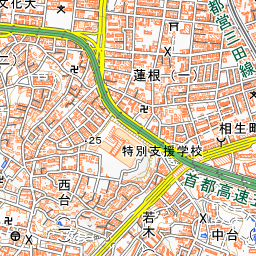
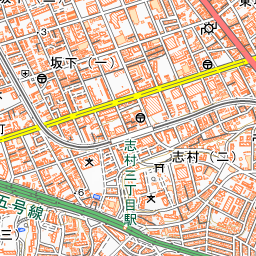
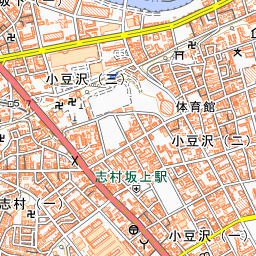
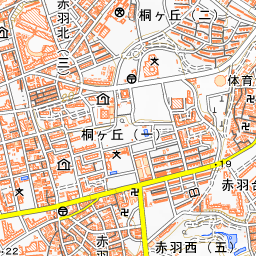
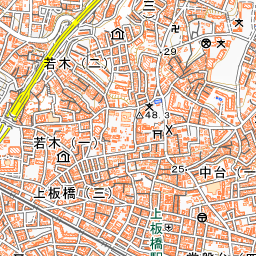
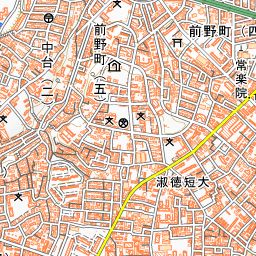
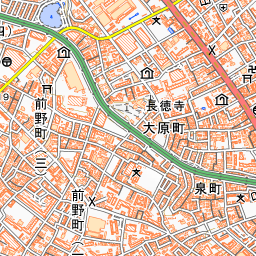
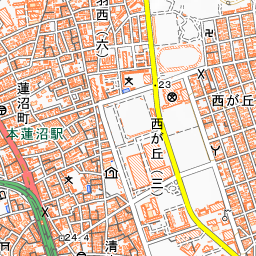
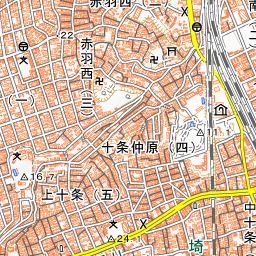
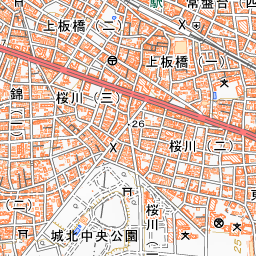
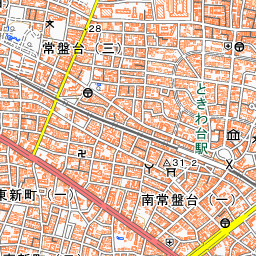
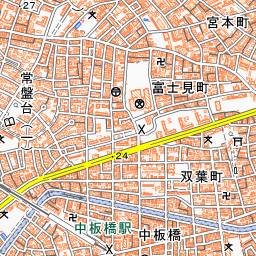
It is about an 8-minute walk from Exit A2 of Shimura-sakaue Station on the Toei Mita Line. As you enter the building, the dry landscape moss garden and the nostalgic appearance of Shitensha first greet you. Before soaking in the hot spring, take a moment to view the garden and reflect on how this place was once a private residence. After bathing, it is recommended to relax at Shitensha while gazing out at the garden.

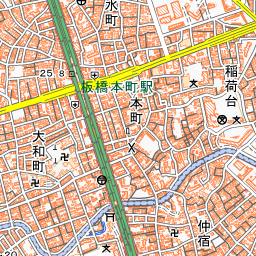
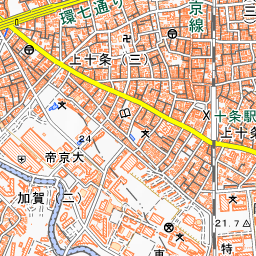
Spot location © OpenStreetMap contributors (ODbL)
Open in Google MapsUse asobot while you walk
- See where you are on the map and find spots nearby
- Listen to the guide's audio in course order, one after another (with subtitles)
- Walk to the next spot while following the map
Open on your phone
Scan to open this spot in asobot on your phone.