 ✨ AI Generated
Niukawakami-jinja Shrine Shimosha
Japanese: 丹生川上神社下社
Shimoichi Town, Nara
This information was written by AI and may contain mistakes. Please check official sources for opening hours, fees, and other details before you go.
Found a mistake? Let us know with “✏️ Something's wrong” on this spot's screen in asobot →
🎧 Audio guide(0:58)
In short
Niukawakami-jinja Shrine Shimosha is a shrine located in Nagatani, Shimoichi Town. It enshrines Kuraokami no Kami, and the deity of Niukawakami has been worshipped since ancient times as a god of water and rainmaking. It is said that dedicating a black horse when praying for rain and a white horse when praying for clear weather became the origin of ema (votive wooden tablets).
- 75-step wooden staircase: A covered 75-step wooden staircase connects the haiden (worship hall) and the honden (main sanctuary).
- Two sacred horses: Two sacred horses (shinme) can still be seen on the grounds today.
- Ushi-ishi and Kaeru-ishi Stone: The grounds feature the Ushi-ishi (ox stone), shaped like an ox, and the Kaeru-ishi Stone, shaped like a frog standing up, placed side by side.
History and Highlights
Niukawakami-jinja Shrine Shimosha is a shrine located in Nagatani, Shimoichi Town. The enshrined deity is Kuraokami no Kami. "Okami" refers to a deity believed to dwell in the mountains or water, governing water, rain, and snow, and is also likened to a dragon deity. Kuraokami is a deity dwelling in mountain valleys.
Today, Niukawakami-jinja Shrine is divided into three shrines: Kamisha (Upper Shrine) in Kawakami Village, Nakasha (Middle Shrine) in Higashiyoshino Village, and this Shimosha (Lower Shrine) in Shimoichi Town. Enshrined at the water sources of the Yamato Basin where the imperial court was located, the deity of Niukawakami has been revered since ancient times as a deity of water and rain prayers. Between the Nara period and the Onin War, the imperial court is said to have made over 100 prayers here for rain or for rain to stop.
From the medieval period onward, the shrine declined, and its original grounds became unknown. In the Edo period, the location of the present Shimosha was considered to be the original site. Later, during the Meiji period, the current Kamisha, and in 1922 (Taisho 11), the current Nakasha, were determined to be the original site. Eventually, the three shrines were combined into one shrine and designated as a Kanpei Taisha (imperial shrine of the first rank).
In 1863 (Bunkyu 3), members of the shrine's priestly families joined the Tenchugumi uprising. As a result, the main sanctuary suffered damage from the fires set by the punitive forces, and the worship hall and other buildings burned down. The current main sanctuary was renovated in 1885 (Meiji 18), and the worship hall was rebuilt in 1901 (Meiji 34).
Viewing and Experience Points
- 75-step wooden staircase: The worship hall and main sanctuary are connected by a covered 75-step wooden staircase. Said by some to be the longest wooden staircase in Japan, it is opened to the public every year during the annual festival on June 1.
- Black horse and white horse: In the Heian period, it was customary to offer a black horse when praying for rain and a white horse when praying for rain to stop. According to shrine tradition, this devotion to the water deity is the origin of ema votive tablets. At Shimosha, two sacred horses can still be seen today.
- Ushi-ishi and Kaeru-ishi Stone: On the grounds, the Ushi-ishi (ox stone), resembling an ox, and the Kaeru-ishi Stone, shaped like a frog standing up, sit side by side. These stones of contrasting character are placed together: the "stillness" of the ox advancing deliberately and tenaciously, and the "action" of the frog swiftly catching its prey.
Tips for Exploring
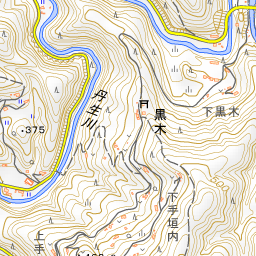
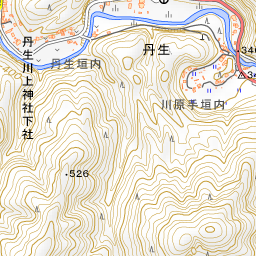
The Niu River flows in front of the shrine. On June 1, the day of the annual festival, households of parishioner families offer saba no sugata-zushi (whole mackerel sushi) wrapped in magnolia leaves as a divine food offering. The "Taiko Odori" (drum dance), said to have begun when people danced with joy before the deity after their prayers for rain or for stopping rain were granted, is designated as an Intangible Folk Cultural Property of Nara Prefecture.
When traveling by train and bus, take the Nara Kotsu bus from Shimoichiguchi Station on the Kintetsu Yoshino Line and get off at "Nagatani." As Niukawakami-jinja Shrine Nakasha is in Higashiyoshino Village and Kamisha is in Kawakami Village, touring all three shrines is also an enjoyable option. Mt. Yoshino is located about 8.5 kilometers to the northeast.


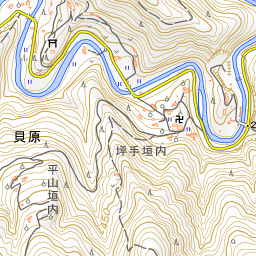
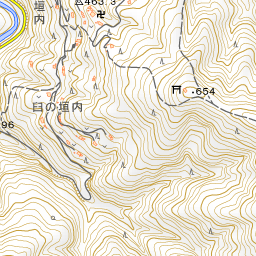
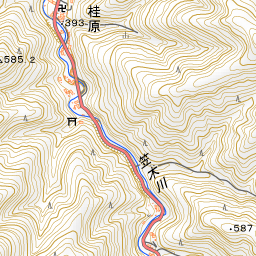
Spot location © OpenStreetMap contributors (ODbL)
Open in Google MapsUse asobot while you walk
- See where you are on the map and find spots nearby
- Listen to the guide's audio in course order, one after another (with subtitles)
- Walk to the next spot while following the map
Open on your phone
Scan to open this spot in asobot on your phone.