 ✨ AI Generated
Kagurazaka-dori Street
Japanese: 神楽坂通り
Shinjuku City, Tokyo
This information was written by AI and may contain mistakes. Please check official sources for opening hours, fees, and other details before you go.
Found a mistake? Let us know with “✏️ Something's wrong” on this spot's screen in asobot →
🎧 Audio guide(1:13)
In short
Kagurazaka-dori Street is a sloping road that ascends from the Kagurazaka-shita intersection in Iidabashi past Zenkoku-ji Temple toward Okubo-dori Street. Built during the Edo period, it became lively with festival days (ennichi) of Bishamonten and was even called "Yamanote Ginza" after the Great Kanto Earthquake. Today, traces of its past as a geisha district (hanamachi) still remain in its cobblestone side alleys.
- Bottom of the Slope Where Ushigome-gomon Gate Stood: Long ago, Ushigome-gomon Gate, an outer gate of Edo Castle, was located at the starting point of the slope.
- Bishamonten Zenkoku-ji Temple: A temple relocated to the slope in 1792 (Kansei 4), which led many worshippers to visit on festival days.
- Cobblestone Alleys: Side alleys with cobblestones and black wooden fences, such as Hyogo Yokocho and Kakurenbo Yokocho, branch off from the main street.
History and Highlights
Kagurazaka-dori Street is a sloping road that climbs from the Kagurazaka-shita intersection, where Sotobori-dori Street and Waseda-dori Street meet, past Zenkoku-ji Temple toward Okubo-dori Street. Long ago, Ushigome-gomon Gate, an outer gate of Edo Castle, stood at the base of this slope.
During the Edo period, this slope was built as a road connecting Ushigome Mitsuke with the residence of the Sakai clan of the Obama Domain, and the area along the slope became a neighborhood of samurai residences and temple districts. At that time, the incline was steeper than it is today and included steps. It was regraded into a gentler slope in the second decade of the Meiji period (1877–1886). There are various theories regarding the origin of the slope's name—such as the idea that kagura music played during a festival of a nearby shrine made it easier to carry a portable shrine up the slope, or the presence of a kagura hall belonging to Akagi Myojin—and none are certain.
When Zenkoku-ji Temple dedicated to Bishamonten was relocated to this slope in 1792 (Kansei 4), many worshippers began to visit during its festival days. In the Meiji period, the area along the slope transformed from samurai residences into a townspeople's neighborhood, and a geisha district emerged. With the opening of Ushigome Station on the Kobu Railway in the Meiji period, it developed into one of Tokyo's leading entertainment and shopping districts. Many literary figures lived in the vicinity, including Ozaki Koyo and Tsubouchi Shoyo. Because the area avoided major damage in the Great Kanto Earthquake, it flourished even more after the disaster and came to be known as "Yamanote Ginza."
Viewing and Experience Points
- Monument of Ushigome Kagurazaka no Zu: Around 1840 (Tenpo 11), Utagawa Hiroshige painted Ushigome Kagurazaka no Zu. It depicts a view looking down toward Ushigome-gomon Gate from a short distance up the slope. A monument featuring this print stands near present-day Kagurazaka 3-chome.
- Cobblestone Alleys: Hyogo Yokocho is a cobblestone alley extending north from in front of Zenkoku-ji Temple, often considered the foremost picturesque alley in Kagurazaka. Kakurenbo Yokocho is a winding alley framed by cobblestones and continuous black wooden fences. Its name, meaning "hide-and-seek alley," comes from the idea that people visiting in secret could easily elude anyone tailing them. Traces of the past still linger in these cobblestone streets of Kagurazaka, which once flourished as a geisha district.
- Shops Along the Slope: The street is lined with traditional craft shops, souvenir stores, dining spots, and Japanese confectioneries. Kagurazaka is also known as one of the areas in Tokyo with a particularly large number of French restaurants.
Tips for Exploring
It is recommended to exit at the bottom of the slope from the JR or Tokyo Metro Iidabashi Station and head up the hill while stopping by the side alleys and Zenkoku-ji Temple. Zenkoku-ji Temple is located about 160 meters west of the midpoint of the street. Akagi-jinja Shrine is approximately 610 meters northwest of the midpoint of the street, close to the Tokyo Metro Kagurazaka Station. Since you will be walking on the slope and in the cobblestone alleys, comfortable walking shoes are recommended. Kagurazaka-dori Street features a traffic system rare throughout Japan, which began in 1958 (Showa 33), where the direction of one-way vehicle traffic reverses between morning and afternoon. On busy weekend and holiday afternoons, it becomes a pedestrian-only zone.
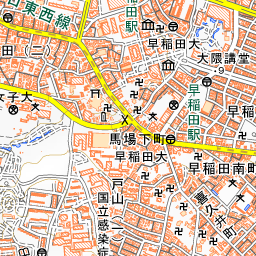
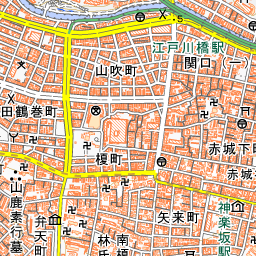
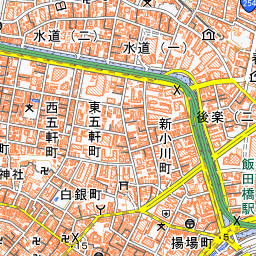
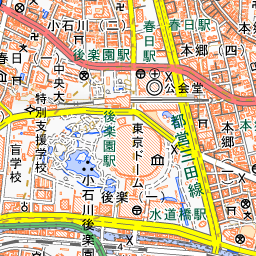
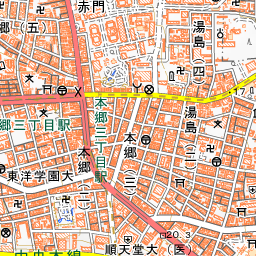
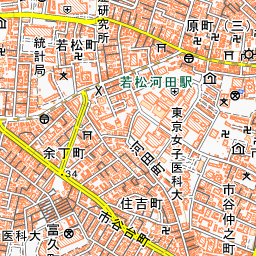
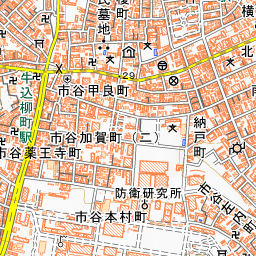
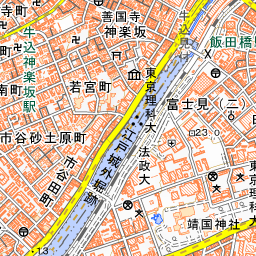

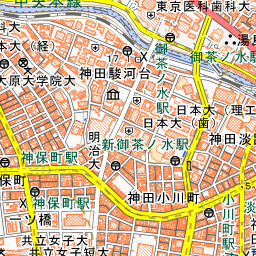
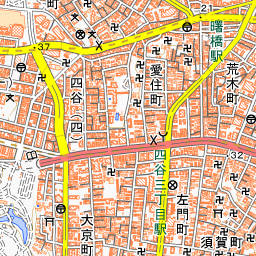
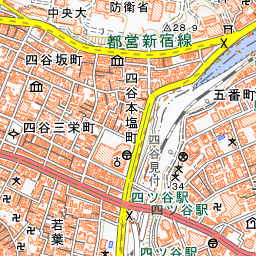
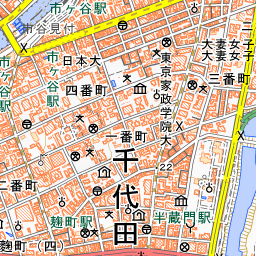
Spot location © OpenStreetMap contributors (ODbL)
Open in Google MapsGuides that include this spot (1)
Use asobot while you walk
- See where you are on the map and find spots nearby
- Listen to the guide's audio in course order, one after another (with subtitles)
- Walk to the next spot while following the map
Open on your phone
Scan to open this spot in asobot on your phone.