 ✨ AI Generated
Nishiarai Daishi Temple
Japanese: 西新井大師
Adachi City, Tokyo
This information was written by AI and may contain mistakes. Please check official sources for opening hours, fees, and other details before you go.
Found a mistake? Let us know with “✏️ Something's wrong” on this spot's screen in asobot →
🎧 Audio guide(1:06)
In short
Nishiarai Daishi Temple, officially known as Gochisan Henjoin Sojiji, is a temple of the Shingon Buzan School. Founded in the 3rd year of Tencho (826), it is known as a temple for prayers to ward off evil, and a well on the temple grounds is said to be the origin of the place name "Nishiarai."
- Main Hall (Dai-Hondo): A hall that enshrines the principal image, the Eleven-Faced Kannon, and Kobo Daishi, where Goma fire rituals are performed.
- Sanmon Gate: A structure from the late Edo period, it is the only two-story gate in Adachi City built in the sangen-ikko style (three bays wide with a single central entrance).
- Peony Garden: A garden of peonies transplanted from Hasedera Temple, the head temple in Nara; it is a famous spot referred to as "Hasedera in the west, Nishiarai in the east."
History and Highlights
Nishiarai Daishi Temple is a prayer temple for warding off evil that reached the 1,200th anniversary of its founding in 2026. Its founding dates back to the 3rd year of Tencho (826). It is said that Kobo Daishi stopped by this area while traveling through the Kanto region and sought to save the villagers who were suffering from an epidemic. He carved an Eleven-Faced Kannon statue and an image of himself, enshrined the Kannon statue as the principal image, placed his own statue inside a dried-up well, and conducted Goma fire rituals for 21 days. Pure water is said to have gushed forth, curing the illnesses immediately. Because that well was situated on the west side of the temple hall, the area is said to have been named "Nishiarai" (literally, "new well on the west").
The Kaji no Ido on the temple grounds is that very well. Although it is no longer in use, the well's water was known for its fine quality from the Edo period through the Meiji period.
During the Edo period, it became renowned as a prayer site for women to ward off evil. Located within a day's round trip from Edo, it was referred to as the "Nishiarai Daishi of Women." Furthermore, because the principal image survived three fires that struck the Main Hall, it also came to be called the "Daishi of Fire Prevention." The current Main Hall was consecrated in 1972.
Highlights for Viewing and Experiences
- Main Hall and Goma Rituals: The hall enshrines the principal image of the Eleven-Faced Kannon and Kobo Daishi. The Goma fire rituals are held daily, except on December 30 and 31. The sight of flames rising high as the monks chant mantras is impressive.
- Sanmon Gate and Sansodo: The Sanmon Gate is a late Edo-period structure and the only two-story gate of the sangen-ikko style in Adachi City. It is adorned with carvings of the twelve zodiac animals, lion heads, and dragons, flanked by Nio guardian statues on the left and right of the entrance. The name Sansodo means "circling three times to reach the third story," and the hall is also known as Sazaedo. Its exterior stairs have been removed, so only the exterior can be viewed.
- Peonies and Wisteria: The peonies were transplanted from Hasedera Temple, the head temple in Nara, and the peony gardens began to develop around the Bunka and Bunsei eras. "Hasedera in the west, Nishiarai in the east" is a phrase celebrating them as famous peony spots, and there are three peony gardens on the grounds. In the wisteria trellis located directly in front of the Main Hall, there is a wisteria tree said to be around 700 years old.
Tips for Exploring
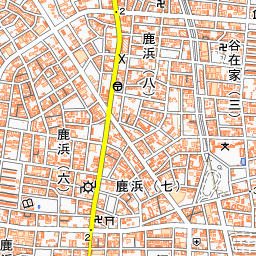
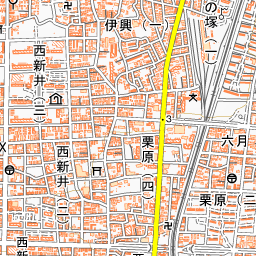
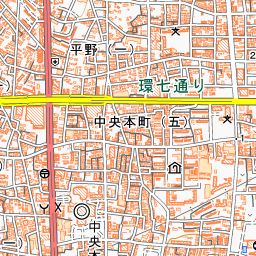
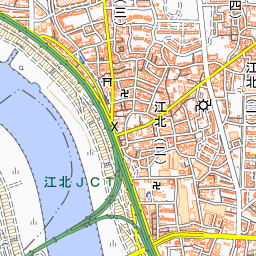
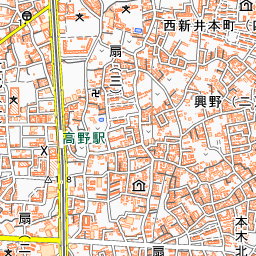
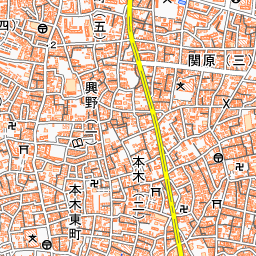
It is a 4-minute walk from Daishimae Station on the Tobu Daishi Line. Walk west from the station and walk along the temple's main approach (omotesando) to reach the Sanmon Gate. Along the approach, established old shops selling the famous kusa dango (mugwort dumplings) line the street. The 21st of every month is Kobo Daishi's ennichi (monthly fair day), attracting many worshipers and featuring numerous street stalls. Katsushika Hokusai's original hand-painted work, "Kobo Daishi Performing the Ritual," is usually not on public display, but it has traditionally been given a special viewing annually during the Hokusai-e gathering in October.

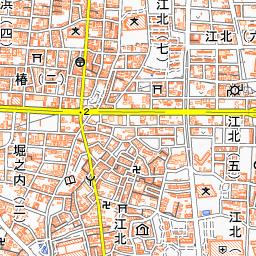
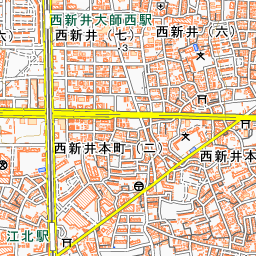
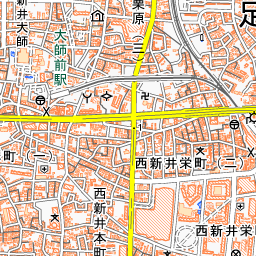
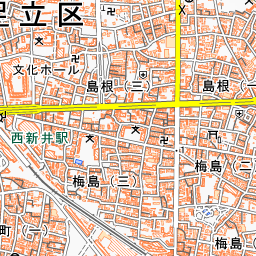
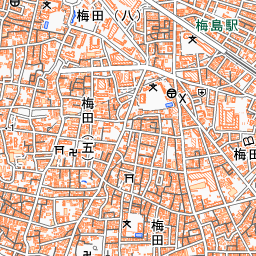
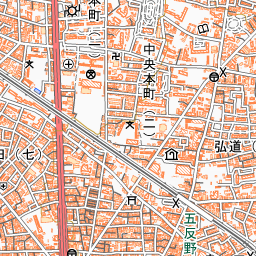
Spot location © OpenStreetMap contributors (ODbL)
Open in Google MapsUse asobot while you walk
- See where you are on the map and find spots nearby
- Listen to the guide's audio in course order, one after another (with subtitles)
- Walk to the next spot while following the map
Open on your phone
Scan to open this spot in asobot on your phone.