 ✨ AI Generated
Jingo-ji Temple
Japanese: 神護寺
Ukyo Ward, Kyoto
This information was written by AI and may contain mistakes. Please check official sources for opening hours, fees, and other details before you go.
Found a mistake? Let us know with “✏️ Something's wrong” on this spot's screen in asobot →
🎧 Audio guide(1:03)
In short
A Koyasan Shingon sect temple located halfway up Mt. Takao. Shingan-ji Temple and Takaosan-ji Temple, both built by Wake no Kiyomaro, were merged in 824 (Tencho 1) and renamed Jingo-ji Temple, with everything entrusted to Kukai. Kukai lived at this temple for 14 years starting in 809 (Daido 4). Toward the end of the Heian period, Mongaku vowed to revive the temple and rebuilt the temple complex.
- Standing Statue of Yakushi Nyorai in the Kondo: The wooden standing statue of Yakushi Nyorai, the principal image of the Kondo (Main Hall), is an early Heian period National Treasure with a profound and mystical appearance
- Daishido, Tahoto Pagoda, and the Sanzetsu-no-Kane Bell: There are the Daishido Hall, said to stand on the site of Kukai's residence, the Tahoto pagoda housing the National Treasure statues of the Five Great Kokuzo Bodhisattvas, and the National Treasure temple bell "Sanzetsu-no-Kane," counted as one of Japan's three famous bells
- Kawarake Throwing: The autumn foliage overlooking Kin'unkei Gorge from Jizo-in has been famous since the Edo period, and visitors have long enjoyed "kawarake-nage," throwing unglazed clay plates into the valley
History and Highlights
Jingo-ji Temple is a Koyasan Shingon sect temple located halfway up Mt. Takao, which rises to the northwest of the Kiyotaki River. Wake no Kiyomaro, who promoted the construction of Heian-kyo, founded Shingan-ji Temple in Kawachi in 781, and around the same time built Takaosan-ji Temple in Yamashiro as a private temple. In 824, at the request of Kiyomaro's children, the two temples were merged and renamed "Jingo Kokuso Shingon-ji", abbreviated as Jingo-ji Temple, with everything entrusted to Kukai.
Kukai lived at this temple for 14 years starting in 809, and in 812, he bestowed esoteric Buddhist kanjo (initiations) upon more than 190 people, including Saicho and Wake no Matsuna. Afterward, the temple fell into ruin due to fires in 994 and 1149, but toward the end of the Heian period, Mongaku vowed to revive it, rebuilding the temple complex with donations of shoen (manors) from Cloistered Emperor Goshirakawa and Minamoto no Yoritomo. The grounds contain the graves of Wake no Kiyomaro and Mongaku, and house many temple treasures, including the National Treasure portrait of Minamoto no Yoritomo, traditionally said to be painted by Fujiwara no Takanobu.
Points for Appreciation and Experience
- Standing Statue of Yakushi Nyorai in the Kondo: The wooden standing statue of Yakushi Nyorai, the main icon of the Kondo (Main Hall), is an early Heian period National Treasure. Regarded as the principal image since the predecessor Shingan-ji Temple, it has a profound and mystical appearance.
- Daishido, Tahoto Pagoda, and the Sanzetsu-no-Kane Bell: The Daishido Hall, said to stand on the site of Kukai's residence, is a Momoyama-period residential-style building designated as an Important Cultural Property. The Tahoto pagoda houses the National Treasure Five Great Kokuzo Bodhisattvas statues, and the National Treasure temple bell inscribed with the year 875 is called "Sanzetsu-no-Kane" and is counted as one of Japan's three famous bells.
- Kawarake Throwing: The autumn foliage overlooking Kin'unkei Gorge from Jizo-in, west of the Daishido, has been famous since the Edo period, and visitors have long enjoyed "kawarake-nage," throwing unglazed clay plates into the valley.
Walking Tips
It is about a 20-minute walk from the "Takao" bus stop. About 1 kilometer to the northeast in Toganoo is Kozan-ji Temple, which, together with Saimyo-ji Temple in Makinoo and Jingo-ji Temple here in Takao, forms the famous autumn foliage area known as "Sanbi".


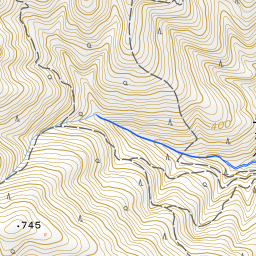


Spot location © OpenStreetMap contributors (ODbL)
Open in Google MapsGuides that include this spot (1)
Use asobot while you walk
- See where you are on the map and find spots nearby
- Listen to the guide's audio in course order, one after another (with subtitles)
- Walk to the next spot while following the map
Open on your phone
Scan to open this spot in asobot on your phone.