 ✨ AI Generated
Kappabashi Dogugai-dori Street
Japanese: かっぱ橋道具街通り
Taito City, Tokyo
This information was written by AI and may contain mistakes. Please check official sources for opening hours, fees, and other details before you go.
Found a mistake? Let us know with “✏️ Something's wrong” on this spot's screen in asobot →
🎧 Audio guide(1:05)
In short
Kappabashi Dogugai-dori Street is a shopping street running about 800 meters north to south between Asakusa and Ueno, bringing together around 170 shops specializing in kitchen and dining tools. Almost all stores sell at retail, allowing the general public to shop as well. It is said to have originated in the early Taisho period when second-hand tool shops opened along both banks of a river.
- Jumbo Chef Statue: Looking north from the Kikuyabashi intersection, you will spot the Jumbo Chef statue of the Niimi Western tableware shop.
- Kappa Kawataro Statue: A golden statue standing in the center of the shopping street, looking up at the sky to pray for the prosperity of visitors' businesses.
- Fake Food Samples: Shops featuring lifelike food models are popular. Some stores also offer workshops to experience making them.
History and Highlights
Kappabashi Dogugai-dori Street is a shopping street extending about 800 meters north to south between Asakusa and Ueno. Its origins are said to trace back to the early Taisho period, when dealers of second-hand tools opened shops on both banks of the Shinborigawa, a canal dug during the Edo period. After the Great Kanto Earthquake in 1923, the Shinborigawa was enclosed as an underground culvert, and streetcars ran above it until 1969. The two bridges that once crossed the river, Kappabashi and Kikuyabashi, remain as the names of intersections today.
Around the time of post-earthquake reconstruction, food-related shops, centered on those dealing in confectionery tools, began to gather. Although destroyed by fire in the Great Tokyo Air Raid of 1945, from the mid-1940s onwards it developed into a specialized shopping district where a wide variety of shops assembled to meet the needs of the restaurant and food industry. Today, there are around 170 stores specializing in kitchen and dining tools, and nearly all of them sell at retail so regular shoppers can also purchase items.
There are two theories regarding the origin of the name "Kappabashi." One is the "raincoat" (kappa) theory, which claims that low-ranking samurai and foot soldiers (ashigaru) hung raincoats they made as side jobs to dry on a nearby bridge. The other is the "river imp" (kappa) theory. It tells that during the Bunka era, when a merchant named Kappaya Kihachi invested his private funds to start digging a canal, the kappa of the Sumida River were moved by his good deed and helped with the construction night after night. It is said that those who caught sight of the kappa experienced good fortune and flourishing business.
Viewing and Experience Tips
- Cooking Utensils and Tableware: Items range from high-quality Japanese kitchen knives and lacquerware to commercial-grade stoves. There are also shops handling Japanese, Western, and Chinese tableware, as well as kitchen equipment and packaging materials.
- Fake Food Samples: Shops stocked with realistic dishes and ingredients are popular. You can also find unique souvenirs such as sushi magnets and food-shaped smartphone cases. Some shops offer workshops where you can try making fake food samples.
- Street Decorations: In addition to the giant chef statue wearing a large white hat, decorations such as large kitchen knives, whisks, and teacups can be found. Statues and motifs of kappa are also featured throughout the area.
Walking Advice
Walking north from the southern Kikuyabashi intersection, the first thing you will see is the Jumbo Chef statue of the Niimi Western tableware shop. In the pocket park near the Kappabashi intersection in the center of the shopping street stands the golden "Kappa Kawataro" statue, gazing up at the sky to pray for the business prosperity of its visitors. The northern end is Kototoi-dori Street. Regular closing days vary by shop, and business hours for Sundays and national holidays are announced in the business information section on the association's website. The "Kappabashi Dogu Matsuri" festival is held every year around October 9, which is designated as Utensils Day (Dogu no Hi). It is a 5-minute walk from Tawaramachi Station on the Tokyo Metro Ginza Line, and you can also walk to Senso-ji Temple, which is about 600 meters to the east.

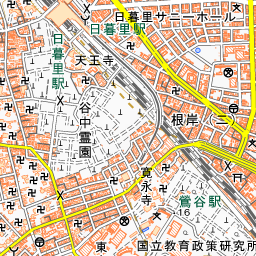
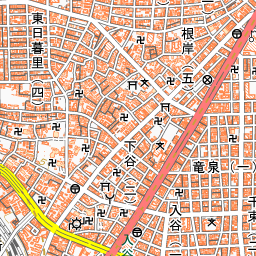
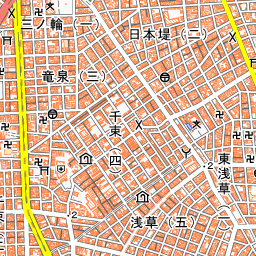
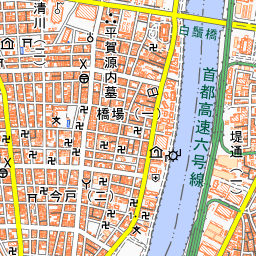
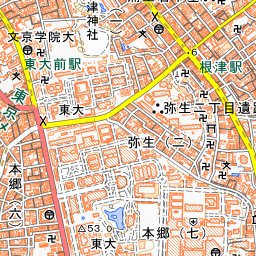

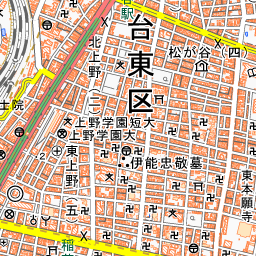



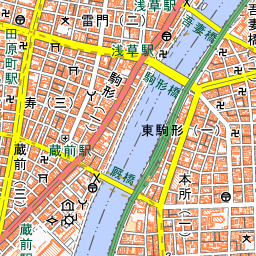
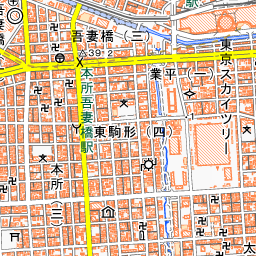
Spot location © OpenStreetMap contributors (ODbL)
Open in Google MapsGuides that include this spot (1)
Use asobot while you walk
- See where you are on the map and find spots nearby
- Listen to the guide's audio in course order, one after another (with subtitles)
- Walk to the next spot while following the map
Open on your phone
Scan to open this spot in asobot on your phone.