 ✨ AI Generated
Kozan-ji Temple
Japanese: 高山寺
Ukyo Ward, Kyoto
This information was written by AI and may contain mistakes. Please check official sources for opening hours, fees, and other details before you go.
Found a mistake? Let us know with “✏️ Something's wrong” on this spot's screen in asobot →
🎧 Audio guide(0:56)
In short
Kozan-ji Temple is an ancient temple in Toganoo, renowned as a treasury of cultural properties that has preserved the Choju-giga scrolls. In 1206 during the Kamakura period, Myoe Shonin was granted the land of Toganoo by Retired Emperor Gotoba and revived the site under the name of Kozan-ji Temple. It is inscribed as a World Heritage site as part of the "Historic Monuments of Ancient Kyoto," and is also known as the place where tea was first made in Japan.
- Sekisui-in (National Treasure): The only building remaining from the time of Myoe Shonin. From the southern veranda, the mountain ridges across the Kiyotaki River appear framed like a picture
- Choju-giga: A National Treasure picture scroll depicting anthropomorphized rabbits, frogs, monkeys, and other animals. Replicas can be seen at Sekisui-in
- Kaisan-do and Japan's Oldest Tea Garden: There is the Kaisan-do hall, where a seated statue of Myoe Shonin is enshrined, and the tea garden, where tea picking is still conducted in mid-May
History and Highlights
Kozan-ji Temple is an ancient temple located in Toganoo, Ukyo Ward, Kyoto City, renowned as a treasury of cultural properties that has preserved the Choju-giga scrolls. It is said to have been founded in 774 during the Nara period and served for a long time as a branch temple of Jingo-ji Temple. In 1206 during the Kamakura period, Myoe Shonin was granted the land of Toganoo by Retired Emperor Gotoba and revived the site under the name of Kozan-ji Temple as a center for reviving the Kegon sect of Buddhism. In 1966, the temple grounds were designated a national historic site and it became an independent temple, and in 1994, it was inscribed as a World Heritage site as part of the "Historic Monuments of Ancient Kyoto."
Kozan-ji Temple is also known as the place where tea was first cultivated in Japan. It is handed down that Myoe grew tea seeds brought back from Song-dynasty China by Zen Master Yosai within the temple grounds and recommended tea to the monks to ward off drowsiness, after which tea cultivation spread to Uji.
Highlights of Appreciation and Experience
- Sekisui-in (National Treasure): This is the only building remaining from the time of Myoe Shonin. Originally a scripture repository (sutra library), it was moved to its current location in 1889 and remodeled in a residential style. From the southern veranda, the mountain ridges across the Kiyotaki River appear framed by the pillars and wide veranda, and hanging above the transom is a plaque whose inscription means "The rising sun shines first upon the high mountain temple", said to have been bestowed by Retired Emperor Gotoba.
- Choju-giga: A National Treasure picture scroll consisting of four volumes, depicting anthropomorphized rabbits, frogs, monkeys, and other animals. Replicas are on display at Sekisui-in.
- Kaisan-do and Japan's Oldest Tea Garden: Enshrined within the Kaisan-do hall is a seated statue designated as an Important Cultural Property that faithfully preserves the appearance of Myoe Shonin. At the tea garden, where a stone monument reading "Japan's Oldest Tea Garden" stands, tea picking is still conducted in mid-May, and during the Kencha-shiki (tea offering ceremony) on November 8, fresh tea is offered to Myoe Shonin in the Kaisan-do hall.
Walking Tips
It is about a 5-minute walk from the "Toganoo" bus stop. The rear approach (ura-sando) winds in switchbacks between moss-covered stone walls, while the front approach (omote-sando) climbs stone steps amidst a grove of cedar trees, leading to the Kondo (Main Hall) located at the very back of the temple grounds. This Kondo was created by relocating an old hall from Ninna-ji Temple during the Kan'ei era of the Edo period. About 1 kilometer to the southwest lies Takao, home to Jingo-ji Temple; together with Toganoo here and Makinoo, home to Saimyo-ji Temple, these areas are collectively known as "Sanbi," famous destinations for autumn leaves.
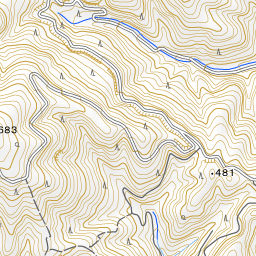
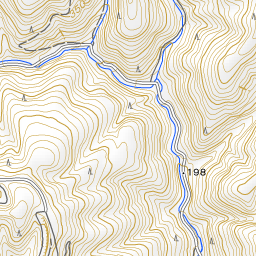
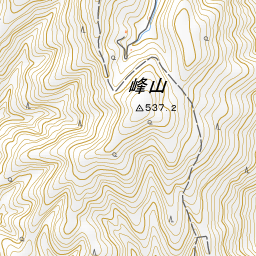
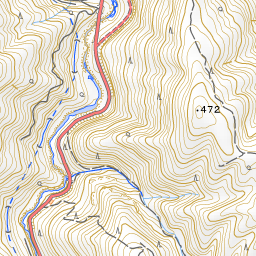
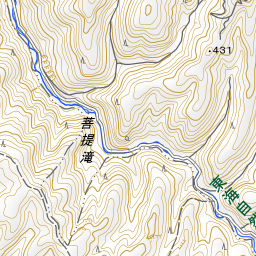


Spot location © OpenStreetMap contributors (ODbL)
Open in Google MapsGuides that include this spot (1)
Use asobot while you walk
- See where you are on the map and find spots nearby
- Listen to the guide's audio in course order, one after another (with subtitles)
- Walk to the next spot while following the map
Open on your phone
Scan to open this spot in asobot on your phone.