 ✨ AI Generated
Hattori Tenjingu Shrine
Japanese: 服部天神宮
Toyonaka, Osaka
This information was written by AI and may contain mistakes. Please check official sources for opening hours, fees, and other details before you go.
Found a mistake? Let us know with “✏️ Something's wrong” on this spot's screen in asobot →
🎧 Audio guide(1:11)
In short
A shrine revered as the "deity of feet and legs." It is handed down that in 901 (the first year of the Engi era), when Sugawara no Michizane, travelling in demotion to Dazaifu in Kyushu, became unable to walk because of his chronic beriberi, he visited a small shrine on the recommendation of local villagers and also held a heartfelt memorial service for the spirit of Fujiwara no Uona, and soon afterward the pain in his feet subsided. Following Michizane's death, his divine spirit was enshrined together with the deity, and the shrine buildings were constructed as Hattori Tenjingu Shrine.
- Main Sanctuary and Footstep Stone Prayer Pedestal: The main sanctuary (honden), built in 1827 (Bunsei 10), enshrines Sukunahikona-no-Mikoto and Sugawara no Michizane. At the prayer pedestal, visitors take off their footwear, face the main sanctuary, bow twice, clap twice, and bow once, and then sit on the pedestal to make their wish
- Dedicated Zori Sandals: As a token of gratitude for recovering from ailments of the feet and legs, many zori sandals have been dedicated here. Iron and straw sandals dedicated since the Edo period are still preserved today
- Grave of Fujiwara no Uona: Uona's grave is located within the shrine grounds. Uona is venerated by people working in the culinary and dining industries as the ancestral deity of Japanese cuisine and kappo dining
History and Highlights
Hattori Tenjingu Shrine is revered as the shrine of the "deity of feet and legs." The place name "Hattori" is believed to have originated when members of the Hata clan, who introduced textile weaving techniques from Korea, settled in this area as hataoribe (weavers' guilds), with the word "hataori" gradually shifting over time to become "hattori." Revering Sukunahikona-no-Mikoto, the ancestral deity of medicine, the Hata clan built and worshipped at a small shrine here as well.
In 901 (the first year of the Engi era), while Sugawara no Michizane was travelling from Kyoto in demotion to Dazaifu in Kyushu, he suffered from a chronic case of beriberi, which caused his feet to swell so badly that he was unable to walk. Visiting the shrine upon the recommendation of local villagers, Michizane learned that a five-tiered stupa (gorinto) by the roadside nearby was the grave of Fujiwara no Uona, who is said to have passed away in this place about a century earlier while also being demoted and travelling to Dazaifu. Lamenting, "Yesterday it was another's plight; today it is my own destined fate," Michizane also held a heartfelt memorial service for Uona's spirit. It is handed down that soon afterward, the pain in his feet subsided, and he reached Dazaifu safely. Following Michizane's death, his divine spirit was enshrined together with the deity, and the shrine buildings were constructed as Hattori Tenjingu Shrine. Because the site was also a key point along the Nose Kaido Road, people gradually gathered here to the point where markets were held in front of the gate, flourishing greatly from the mid-to-late Edo period.
Highlights & Experiences
- Main Sanctuary and Footstep Stone Prayer Pedestal: The main sanctuary (honden) was built in 1827 (Bunsei 10) and enshrines Sukunahikona-no-Mikoto and Sugawara no Michizane. At the prayer pedestal, visitors take off their footwear, face the main sanctuary, bow twice, clap twice, and bow once, and then sit on the pedestal to make their wish.
- Dedicated Zori Sandals: As a token of gratitude for recovering from ailments of the feet and legs, many zori sandals have been dedicated here. Iron and straw sandals offered since the Edo period are still preserved today.
- Grave of Fujiwara no Uona: Fujiwara no Uona's grave is located within the shrine grounds. Uona's descendants formed the Shijo family, who handed down the Shijo-ryu Hocho-do (a traditional culinary knife-art school), and Uona is venerated by people working in the culinary and dining industries as the ancestral deity of Japanese cuisine and kappo dining.
Walking Tips
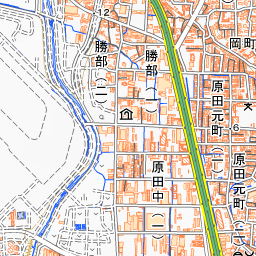
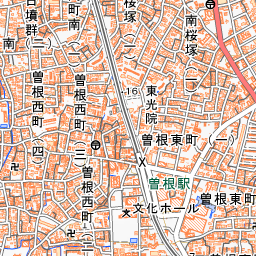
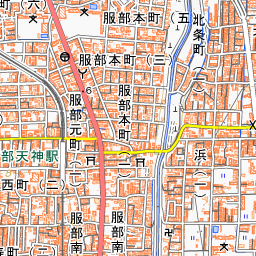
Hattori-tenjin Station on the Hankyu Takarazuka Line is the closest station. The "Toyonaka Ebisu Festival," held annually from January 9 to 11, began in 1951 (Showa 26) as the "Hattori Ebisu Festival" and draws 350,000 visitors. On August 25, the Grand Festival for the Protection of Feet and Legs is held. Approximately 1.5 kilometers to the north-northwest stands Toko-in Hagi-no-Tera Temple, well known as the Bush Clover Temple (Hagi-no-Tera).


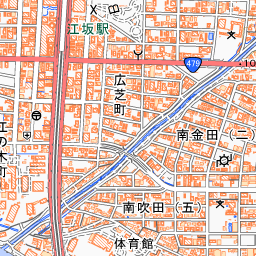
Spot location © OpenStreetMap contributors (ODbL)
Open in Google MapsUse asobot while you walk
- See where you are on the map and find spots nearby
- Listen to the guide's audio in course order, one after another (with subtitles)
- Walk to the next spot while following the map
Open on your phone
Scan to open this spot in asobot on your phone.