 ✨ AI Generated
Muro-ji Temple
Japanese: 室生寺
Uda, Nara
This information was written by AI and may contain mistakes. Please check official sources for opening hours, fees, and other details before you go.
Found a mistake? Let us know with “✏️ Something's wrong” on this spot's screen in asobot →
🎧 Audio guide(1:06)
In short
Muro-ji Temple is the head temple of the Shingon Muro-ji Sect, standing at the foot of Mt. Muro in Uda City. While Mt. Koya was closed to women, this temple permitted female worshippers, earning it the name "Nyonin Koya" (Women's Mt. Koya). The mountain slope is lined with structures such as the five-story pagoda and the Kon-do Hall (Main Hall), both designated National Treasures.
- Small Five-Story Pagoda: Standing at approximately 16 meters tall, it is the smallest outdoor five-story pagoda in Japan.
- Yoroizaka Slope and Kon-do Hall: At the top of the stone steps resembling armor stands the 9th-century Kon-do Hall, a National Treasure.
- Rhododendrons and Autumn Leaves: In spring, around 3,000 rhododendron shrubs bloom, and in autumn, the area around the Nio-mon Gate and Yoroizaka Slope is beautifully colored.
History and Highlights
Muro-ji Temple is the head temple of the Shingon Muro-ji Sect, situated at the foot of Mt. Muro. Since ancient times, this area has been believed to be a spiritual place where a dragon god lives in a mountain cave. During periods of drought, imperial envoys conducted rituals here to pray to the dragon god for rain.
The temple's founding is said to date back to the late Nara period. During the Hoki era (770–781), prayers were offered here for the recovery from illness of Prince Yamabe, who later became Emperor Kanmu. It is said that Kenkei, a monk of Kofuku-ji Temple, was subsequently ordered by the imperial court to build a temple here. His disciple, Shuen, added several structures. There is also a temple tradition stating that it was founded by En no Ozunu upon an imperial vow of Emperor Tenmu.
Muro-ji Temple maintained ties with Kofuku-ji Temple for a long time, but it became independent as a Shingon Buddhist temple in 1698 (Genroku 11). Later, its halls and pagodas were repaired through donations by Keishoin, the mother of Tokugawa Tsunayoshi. Muro-ji Temple has also been certified as a Japan Heritage site as "Nyonin Koya."
The five-story pagoda is the only existing building among the halls and pagodas that is thought to date back to the time of the temple's founding. It is also said to be the second-oldest in Japan after the five-story pagoda of Horyu-ji Temple. Its roof is made of cypress bark thatch, and its pinnacle features rare ornaments consisting of an umbrella-like canopy (hogai) and a jar-like vase (hobyo). It is also known as the "pagoda built overnight by Kobo Daishi." In 1998, it was heavily damaged when a large tree fell onto it during a typhoon, but it was restored over two years.
Viewing and Experience Highlights
- Yoroizaka Slope and Kon-do Hall: Yoroizaka Slope is a flight of stone steps named for its resemblance to samurai armor. The Kon-do Hall at the top is a 9th-century structure, representing one of the oldest buildings at Muro-ji Temple.
- Buddhist Statues of the Kon-do Hall: Inside the Kon-do Hall, large Buddhist statues backed by halos stand in a row, with a standing statue of Shakyamuni Buddha, a National Treasure, in the center. In the front, statues of the Twelve Heavenly Generals from the Kamakura period stand, each with one of the twelve animals of the Chinese zodiac on its head.
- Seasonal Flowers: From late April, around 3,000 rhododendrons bloom from around the Nio-mon Gate across Yoroizaka Slope and up to the five-story pagoda. In autumn, the leaves turn vibrant, mainly around the Nio-mon Gate and Yoroizaka Slope.
Walking Tips
Take a bus bound for Muro Ryuketsu-jinja Shrine from Kintetsu Muroguchi-Ono Station and get off at "Muro-ji." In front of the gate, cross the vermilion arched bridge over the Muro River to enter the temple grounds. From the Nio-mon Gate where rhododendrons bloom, climb Yoroizaka Slope to reach the Kon-do Hall, followed by the five-story pagoda further ahead. Even further away stands the Mieido Hall (Oku-no-in), which enshrines a statue of Kobo Daishi. Muro-ji Temple considers surrounding temples as its "gates," with Ono-dera Temple serving as the West Gate and Butsuryu-ji Temple as the South Gate. Ryuketsu-jinja Shrine, which enshrines the dragon god, is located about 700 meters east-southeast of Muro-ji Temple.


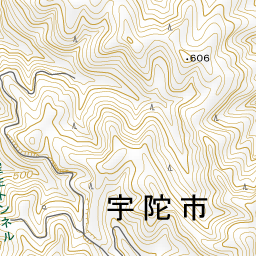
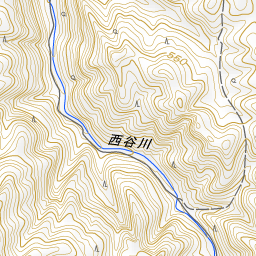


Spot location © OpenStreetMap contributors (ODbL)
Open in Google MapsGuides that include this spot (2)
Use asobot while you walk
- See where you are on the map and find spots nearby
- Listen to the guide's audio in course order, one after another (with subtitles)
- Walk to the next spot while following the map
Open on your phone
Scan to open this spot in asobot on your phone.