 ✨ AI Generated
Saimyo-ji Temple
Japanese: 西明寺
Ukyo Ward, Kyoto
This information was written by AI and may contain mistakes. Please check official sources for opening hours, fees, and other details before you go.
Found a mistake? Let us know with “✏️ Something's wrong” on this spot's screen in asobot →
🎧 Audio guide(1:08)
In short
A temple of the Daikaku-ji Temple branch of Shingon Buddhism, located in Makinoo facing the clear waters of the Kiyotaki River. Along with Jingo-ji Temple in Takao and Kozan-ji Temple in Toganoo, it is counted as one of the "Sanbi." According to temple tradition, it began during the Tencho era (824–834) in the early Heian period when Chisen, a disciple of Kukai, founded it as a separate cloister (betsuin) of Jingo-ji Temple.
- Shigetsukyo Bridge and the Stone-Stepped Approach: Crossing the vermilion Shigetsukyo Bridge over the Kiyotaki River leads to stone steps on the opposite bank that ascend to Saimyo-ji Temple. Midway up the steps, the river's flow can be glimpsed between maple trees
- Main Hall and the Seiryo-ji Temple-Style Shakyamuni Buddha: The current hall is said to have been donated by Keishoin during the Genroku era. The principal image, a wooden standing statue of Shakyamuni Buddha in the style of Seiryo-ji Temple, is designated as an Important Cultural Property of Japan along with the standing statue of the Thousand-Armed Kannon
- A Famous Spot for Autumn Leaves: Visitors can enjoy rich natural landscapes throughout the four seasons, and in autumn in particular, the entire temple grounds are enveloped in red maples
History and Highlights
Saimyo-ji Temple is a temple of the Daikaku-ji Temple branch of Shingon Buddhism, located in Makinoo facing the clear waters of the Kiyotaki River, with the mountain name (sango) Makinoosan. Along with Jingo-ji Temple in Takao and Kozan-ji Temple in Toganoo, it is an ancient temple counted as one of the "Sanbi" (the three "o" areas). According to temple tradition, it began during the Tencho era (824–834) in the early Heian period when Chisen, a nephew and disciple of Kukai, founded it as a separate cloister (betsuin) of Jingo-ji Temple. Myoe of Kozan-ji Temple also resided at this temple for a time.
Although it later fell into ruin, it was restored during the Kenji era (1275–1278) by Jisho Shonin of Mount Makinoo in Izumi Province. In the 3rd year of Shoo (1290), Retired Emperor Go-Uda built a temple hall and named it Byodoshinno-in. While it was once merged into Jingo-ji Temple, Myonin Risshi rebuilt it in the 7th year of Keicho (1602) and converted it into a training center for monastic precepts. The current halls are said to have been donated during the Genroku era by Keishoin, the biological mother of Tokugawa Tsunayoshi.
Highlights for Viewing and Experiencing
- Shigetsukyo Bridge and the Stone-Stepped Approach: Crossing the vermilion Shigetsukyo Bridge over the Kiyotaki River leads to stone steps on the opposite bank that ascend to Saimyo-ji Temple. Midway up the winding stone staircase, the river's flow can be glimpsed between maple trees.
- Main Hall and the Seiryo-ji Temple-Style Shakyamuni Buddha: Six structures—the Main Hall (Hondo), Front Gate (Omotemon), Guest Hall (Kyakuden), Scripture Repository (Kyozo), Bell Tower (Shoro), and the Main Sanctuary (Honden) of the tutelary shrine—are designated as Tangible Cultural Properties of Kyoto City. A ridgepole tablet (munafuda) dating from the 13th year of Genroku remains in the Main Hall. The principal image is a Kamakura-period wooden standing statue of Shakyamuni Buddha in the style of Seiryo-ji Temple, which, along with the standing statue of the Thousand-Armed Kannon, is designated as an Important Cultural Property of Japan.
- Seasonal Scenery and Autumn Leaves: Visitors can enjoy rich natural landscapes throughout the four seasons, including cherry blossoms in spring, fresh greenery in early summer, autumn leaves, and snowy scenes in winter. It is particularly renowned as a famous spot for autumn foliage, when the entire temple grounds are enveloped in red maples.
Walking Tips
It is about a 5-minute walk after getting off at the "Makinoo" JR Bus stop. Kozan-ji Temple is located about 500 meters to the northeast in Toganoo, and Jingo-ji Temple is located about 500 meters to the southwest in Takao, allowing visitors to tour the Sanbi temples on foot. Beyond Saimyo-ji Temple, a hiking trail also continues along the valley of the Kiyotaki River into the forest.
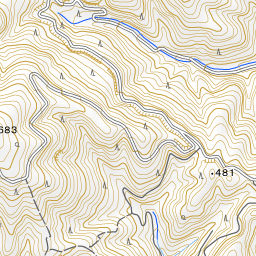
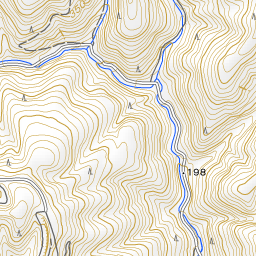
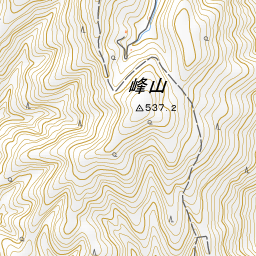
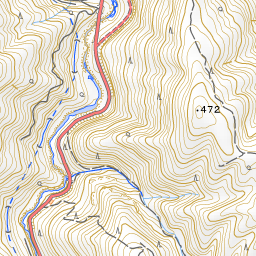
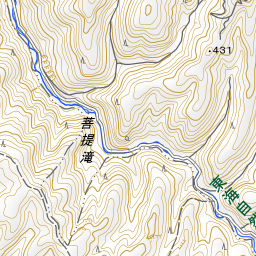


Spot location © OpenStreetMap contributors (ODbL)
Open in Google MapsGuides that include this spot (1)
Use asobot while you walk
- See where you are on the map and find spots nearby
- Listen to the guide's audio in course order, one after another (with subtitles)
- Walk to the next spot while following the map
Open on your phone
Scan to open this spot in asobot on your phone.