 ✨ AI Generated
Yamada-dera Temple Site
Japanese: 山田寺跡
Sakurai, Nara
This information was written by AI and may contain mistakes. Please check official sources for opening hours, fees, and other details before you go.
Found a mistake? Let us know with “✏️ Something's wrong” on this spot's screen in asobot →
🎧 Audio guide(1:06)
In short
The Yamada-dera Temple Site consists of the remains of an Asuka-period temple located in Yamada, Sakurai City. It was a clan temple founded upon the vow of Soga no Kurayamada no Ishikawamaro and is designated as a national Special Historic Site. It is one of the component sites of the "Ancient Capitals of Asuka and Fujiwara," which was inscribed as a World Heritage Site in 2026.
- Corridor Unearthed as It Fell: In an excavation in 1982, the east corridor was found buried in the ground in a collapsed state. It represents an older architectural example than Horyu-ji Temple, which is the world's oldest surviving wooden structure.
- Ishikawamaro's Final Temple: Suspected of treason in 649, Ishikawamaro died by suicide at this temple. Supported by his granddaughter, Princess Uno no Sarara, the temple was completed around 685.
- Spacious Lawn Temple Grounds: An expansive lawn unfolds amid the rural landscape.
History and Highlights
Yamada-dera Temple was a clan temple built in the mid-7th century based on the vow of Soga no Kurayamada no Ishikawamaro, a member of the Soga clan. Construction began in 641. In 649, suspected of treason, Ishikawamaro died by suicide at this Yamada-dera Temple. Construction was temporarily halted, but with the support of his granddaughter, Princess Uno no Sarara (who later became Empress Jito), it was completed around 685. The temple layout had the middle gate, pagoda, main hall (kondo), and lecture hall (kodo) arranged in a straight line, a configuration seen in the temples of Baekje. It continued to prosper even after the capital moved to Heijo-kyo, and Fujiwara no Michinaga is said to have highly praised the magnificent temple compound. From the late Heian period onward, many buildings were lost to disasters and other causes.
The temple site was designated as a national Special Historic Site in 1952. The Nara National Cultural Properties Research Institute conducted 11 excavation surveys from fiscal year 1976 to fiscal year 1996. In the 1982 excavation, the east corridor was found buried in the ground in a fallen state. As most of the great temples of Asuka have vanished from aboveground, this east corridor serves as an architectural example older than Horyu-ji Temple, the world's oldest existing wooden structure. The structural members were designated as Important Cultural Properties in 2007.
The Yamada-dera Temple Site is one of the component sites of the "Ancient Capitals of Asuka and Fujiwara," which was inscribed as a World Heritage Site in 2026.
Viewing and Experience Points
- Visualizing the Layout of the Temple Grounds: From south to north, the middle gate, pagoda, main hall, and lecture hall were aligned in a straight line. Even before excavation, the pagoda and main hall retained traces of their raised foundation platforms, and the lecture hall preserved the arrangement of its foundation stones.
- East Corridor at the Asuka Historical Museum: The unearthed building components are on permanent display at the nearby Asuka Historical Museum of the Nara National Research Institute for Cultural Properties. The best-preserved section, spanning three bays of pillars, has been reassembled using the original members in their proper positions. The conservation treatment took 14 years.
- Connection to the Bronze Buddha Head of Kofuku-ji Temple: The National Treasure bronze Buddha head at Kofuku-ji Temple is the head of a statue of Yakushi Nyorai (the Medicine Buddha) cast in 685, originally enshrined at Yamada-dera Temple. Later, monks of Kofuku-ji Temple moved the statue to Kofuku-ji and enshrined it in the Tokon-do Hall. The head fell off when the Tokon-do Hall caught fire in 1411 and was discovered inside the hall's pedestal in 1937.
Travel Tips
An information plaza and explanatory panels are located at the entrance to the temple site. Checking the arrangement of the temple layout on the explanatory panels first, and then walking from south to north across the expansive lawn spread within the rural scenery, allows visitors to appreciate the scale of the temple. From Sakurai Station, you can take a Nara Kotsu bus bound for the Nara Prefecture Complex of Man'yo Culture to reach the "Asuka Shiryokan" stop for the Asuka Historical Museum. The Asuka Historical Museum is located about 460 meters west of the Yamada-dera Temple Site. Viewing the components of the east corridor before visiting the temple site makes it easier to envision the corridor as it fell. The Sakafune-ishi Ruins are located about 1.1 kilometers to the southwest, and Abe Monju-in Temple is about 2.5 kilometers to the north-northeast.
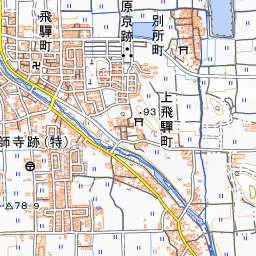

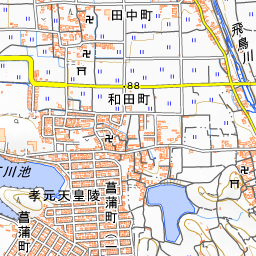
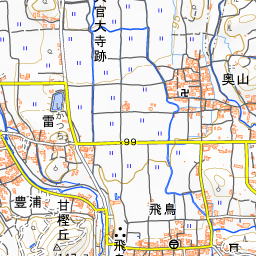
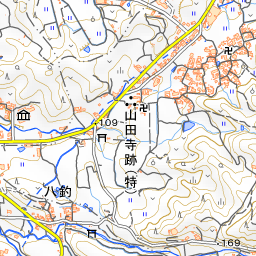
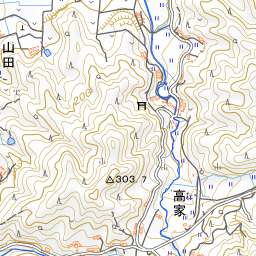

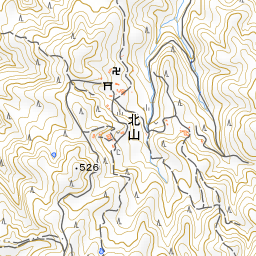
Spot location © OpenStreetMap contributors (ODbL)
Open in Google MapsGuides that include this spot (1)
Use asobot while you walk
- See where you are on the map and find spots nearby
- Listen to the guide's audio in course order, one after another (with subtitles)
- Walk to the next spot while following the map
Open on your phone
Scan to open this spot in asobot on your phone.