 ✨ AI Generated
The National Museum of Western Art
Japanese: 国立西洋美術館
Taito City, Tokyo
This information was written by AI and may contain mistakes. Please check official sources for opening hours, fees, and other details before you go.
Found a mistake? Let us know with “✏️ Something's wrong” on this spot's screen in asobot →
🎧 Audio guide(0:57)
In short
The National Museum of Western Art opened in 1959 based on the Matsukata Collection, which was donated and returned by the French government. It is the only national museum broadly dedicated to Western art as a whole. The Main Building, designed by Le Corbusier, is a constituent asset of a World Cultural Heritage site.
- Forecourt (Zentei): Rodin's The Gates of Hell, The Thinker (Enlarged), and The Burghers of Calais are lined up outdoors.
- Main Building: The concept of Le Corbusier's "Museum of Unlimited Growth" is expressed in the route leading from the pilotis to the open-ceiling "19th Century Hall" and up the slope.
- Permanent Exhibition: Works from the Matsukata Collection and pieces from the Renaissance through the early 20th century can be viewed throughout the year.
History and Highlights
The beginnings of The National Museum of Western Art lie in the works collected by businessman Matsukata Kojiro. As the first president of Kawasaki Dockyard, Matsukata traveled to Europe over a period of about 10 years starting in 1916 to purchase and assemble artworks. He intended to build an art museum in Japan with his own hands to show authentic Western art to young Japanese painters.
However, due to the financial crisis of 1927, the dream of an art museum was not realized, and the works brought to Japan were dispersed. The approximately 400 pieces remaining in Paris became French state property in 1951. Later, the French government decided to donate and return the majority of them to Japan, and the museum opened in June 1959 to receive and exhibit this collection. It is the only national museum broadly dedicated to Western art as a whole.
Designed by the French architect Le Corbusier, one of the representative architects of the 20th century, the Main Building was completed in March 1959. It was designated an Important Cultural Property in 2007, and in 2016 was inscribed as a World Cultural Heritage site as part of "The Architectural Work of Le Corbusier, an Outstanding Contribution to the Modern Movement." It is Tokyo's first World Cultural Heritage site.
Viewing and Experience Points
- Sculptures in the Forecourt: In the 2022 renewal, the forecourt was returned as closely as possible to its appearance when the Main Building opened. Rodin was commissioned in 1880 to create The Gates of Hell as the entrance portal for a museum of decorative arts in Paris. The bronze here was cast by order of Matsukata Kojiro.
- Main Building and the 19th Century Hall: Passing through the pilotis composed only of columns, you proceed to the central open-ceiling "19th Century Hall." Soft natural light enters from the triangular skylight. Ascending the slope allows you to tour the corridor-style exhibition galleries surrounding the hall. This spiral path reflects the idea of the "Museum of Unlimited Growth," where exhibition space was to be expanded outward as the collection grew.
- Permanent Exhibition: Throughout the year, works from the Matsukata Collection and works from the Renaissance through the early 20th century purchased every year since the museum's founding are on display. The collection also includes Claude Monet's Water Lilies (1916).
Tips for Exploring
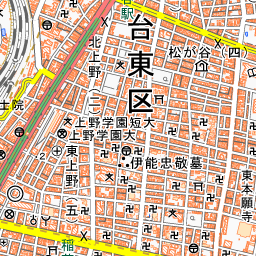
It is a 1-minute walk from the Park Exit of JR Ueno Station. When you enter through the west gate facing the fountain plaza, lines on the ground extend straight toward The Gates of Hell. Along these lines, you can see The Thinker (Enlarged) on your right and The Burghers of Calais on your left. The line branches to the left midway, leading to the Main Building.
The thin joints on the ground are laid out according to Le Corbusier's "Modulor" scale. They are said to correspond to the window sashes of the Tokyo Bunka Kaikan across the way.
About 80 meters to the northeast is the National Museum of Nature and Science.
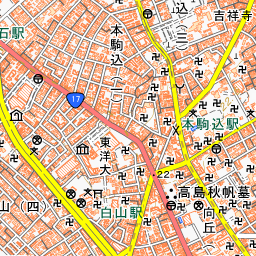

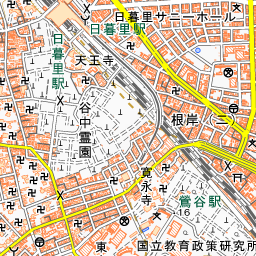
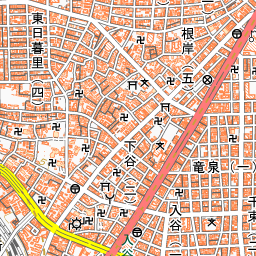
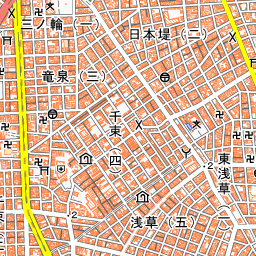





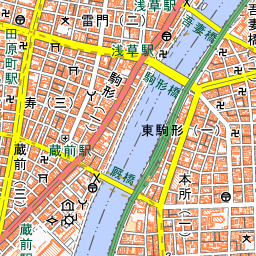
Spot location © OpenStreetMap contributors (ODbL)
Open in Google MapsGuides that include this spot (1)
Use asobot while you walk
- See where you are on the map and find spots nearby
- Listen to the guide's audio in course order, one after another (with subtitles)
- Walk to the next spot while following the map
Open on your phone
Scan to open this spot in asobot on your phone.