 ✨ AI Generated
Iwafune Amida Triad Cliff Buddha (Warai-botoke)
Japanese: 岩船阿弥陀三尊磨崖仏(わらい仏)
Kizugawa, Kyoto
This information was written by AI and may contain mistakes. Please check official sources for opening hours, fees, and other details before you go.
Found a mistake? Let us know with “✏️ Something's wrong” on this spot's screen in asobot →
🎧 Audio guide(1:01)
In short
The most beloved cliff Buddha among the stone Buddhas of Tono, known as Warai-botoke, the Smiling Buddha. It bears an inscription dated 1299.
- A gentle smile: The Amida triad, attended by Kannon and Seishi Bodhisattvas, soothes the hearts of those who see it
- Protected by an overhanging rock: The rock juts out like eaves above it, so there seems to have been little erosion from rain, and its state of preservation is good
- The Sleeping Buddha: Beside it is Nemuri-botoke, half buried in the soil
History and Highlights
The Iwafune Amida Triad Cliff Buddha (Warai-botoke) is the most beloved cliff-carved Buddha among the stone Buddhist statues of Tono, known as "Warai-botoke" (the Smiling Buddha). In the Odawara area of Tono, hermitages and ascetic training sites for monks were established from the Heian period, and in the vicinity of Joruri-ji Temple and Gansen-ji Temple, numerous cliff-carved Buddhas were created from the late Kamakura period to the Muromachi period for the people passing by.
Warai-botoke depicts Amida Buddha flanked by Kannon Bodhisattva holding a lotus pedestal and Seishi Bodhisattva with hands in prayer. An inscription dates it to the 7th year of Einin (1299), and it was created by I Sueyuki. The creator was a descendant of I Gyomatsu, a stonemason who was invited from distant China during the Kamakura period for the reconstruction of Todai-ji Temple.
Together with the standing statue of Miroku Nyorai at the nearby Miroku no Tsuji and the standing statue of Fudo Myo'o at Ichigan Fudo, these three statues were designated as Tangible Cultural Properties of Kyoto Prefecture in 1985 (Showa 60) under the collective name "Tono Cliff Buddhas."
Viewing and Experience Highlights
- A Gentle Smile: The Amida Triad, bearing gentle smiles, warms the hearts of visitors. The central figure stands 79 cm in height.
- Protected by a Rock Eave: Because the rock protrudes over the cliff Buddha like an eave, erosion from rain appears to have been minimal. The impact of wind erosion is also slight, and the state of preservation is good.
- Appearance in the Evening Sun and Nemuri-botoke: Its appearance standing in the evening sun is particularly heartwarming. Beside Warai-botoke, there is also "Nemuri-botoke" (Sleeping Buddha), which is half-buried in the soil.
Walking Tips
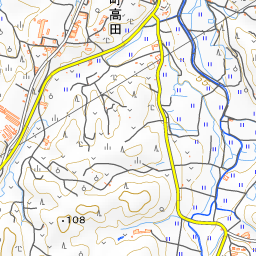
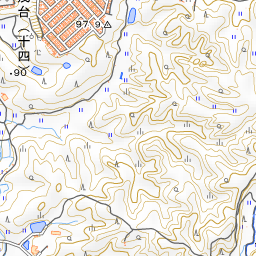
It is said that near this cliff Buddha, there was once an old road leading to Gansen-ji Temple. Along the roughly 2 km path connecting Joruri-ji Temple and Gansen-ji Temple, stone Buddhas and stone pagodas such as Warai-botoke are scattered here and there, and it can be walked in a little less than an hour. The Miroku Cliff Buddha at Miroku no Tsuji is a fairly faithful reproduction of the main Miroku Cliff Buddha at Kasagi-dera Temple, and it is also the work of I Sueyuki. Gansen-ji Temple is located about 240 m to the east-northeast, and Joruri-ji Temple is about 1.0 km to the west-southwest.


Guides that include this spot (1)
Use asobot while you walk
- See where you are on the map and find spots nearby
- Listen to the guide's audio in course order, one after another (with subtitles)
- Walk to the next spot while following the map
Open on your phone
Scan to open this spot in asobot on your phone.