 ✨ AI Generated
Jigen-ji Temple
Japanese: 慈眼寺
Daito, Osaka
This information was written by AI and may contain mistakes. Please check official sources for opening hours, fees, and other details before you go.
Found a mistake? Let us know with “✏️ Something's wrong” on this spot's screen in asobot →
🎧 Audio guide(1:07)
In short
A mountain temple at the foot of Mt. Iimori in the Ikoma Mountain Range, in Nozaki, Daito City, known as "Nozaki Kannon Temple." Its formal name is Fukujusan Jigen-ji Temple, a Zen temple of the Soto sect. The temple's origins are said to date back to the Tenpyo-shoho era (749–757), and Gyoki is said to have carved an Eleven-Headed Kannon and enshrined it here.
- Dozing Kannon: The principal image, an Eleven-Headed Kannon from the mid-Heian period, is crafted from a single block of sandalwood (ichiboku-zukuri). Because the half-closed, gentle eyes look as though the statue is sleeping, it is also called the "Dozing Kannon" (Inemuri Kannon). During Nozaki Mairi, the bamboo blind (misu) is raised, allowing visitors to pray directly in front of it
- Nozaki Mairi: Formally a ritual known as Muenkyo Hoyo, held every year from May 1 to May 8. The scene is depicted in the rakugo story "Nozaki Mairi" and is also widely known through Shoji Taro's song "Nozaki Kouta"
- Eguchi no Kimi Hall: In the hall immediately to the right of the main hall, "Eguchi no Kimi" of the Heian period is enshrined, who is said to have restored the temple out of gratitude for having her illness cured by Kannon. People visit to pray for match-making, safe childbirth, and fertility
History and Highlights
Nozaki Kannon Temple is a mountain temple located at the foot of Mt. Iimori in the Ikoma Mountain Range, situated in Nozaki, Daito City. Its formal name is Fukujusan Jigen-ji Temple, a Zen temple belonging to the Soto sect. The temple's origins are said to date back to the Tenpyo-shoho era (749–757). It is told that the Baramon Sojo (Bodhisena), who came to Japan for the eye-opening ceremony of the Great Buddha, told Gyoki that the land of Nozaki resembled Deer Park (Mrigadava), where Shakyamuni gave his first sermon; deeply moved, Gyoki is said to have carved an Eleven-Headed Kannon and enshrined it here.
In 1565, the temple was completely destroyed by fire caused by the troops of Miyoshi and Matsunaga, leaving only the principal image of Kannon intact. In 1616, the priest Seigan restored the temple, and it flourished during the Genroku and Hoei eras as the "Nozaki Mairi" pilgrimage became popular. The figure considered the restorer of the temple is "Eguchi no Kimi" from the Heian period. It is passed down that she was a shirabyoshi (traditional dancer) from the village of Eguchi on the right bank of the Yodo River, and she restored the temple out of gratitude for having her illness cured by Kannon.
Nozaki Mairi is formally a ritual known as Muenkyo Hoyo, held every year from May 1 to May 8. In the past, people traveled by yakatabune (roofed pleasure boats) up the Neyagawa River from Hachikenya-hama north of Osaka Castle, while others walked along the riverbanks; it was said that the two groups would engage in verbal spats, and good fortune would come to whoever won. This scene is depicted in the rakugo story "Nozaki Mairi" and is also widely known through Shoji Taro's song "Nozaki Kouta."
Sights and Experiences
- Principal Image of the Eleven-Headed Kannon: A statue from the mid-Heian period, crafted from a single block of sandalwood (ichiboku-zukuri), standing on the back of a dragon amid swirling waves. Because the half-closed, gentle eyes look as though the statue is sleeping, it is also called the "Dozing Kannon" (Inemuri Kannon). It is usually behind a bamboo blind (misu), but during Nozaki Mairi, the blind is raised, allowing visitors to pray directly in front of it.
- Eguchi no Kimi Hall: In the hall immediately to the right of the main hall, Eguchi no Kimi is enshrined. Said to be a Buddhist deity protecting women, it is visited by people praying for match-making, safe childbirth, and fertility. Its en-nichi (auspicious day) is the 14th of each month.
- Hiyokuzuka (Tomb of Conjoined Wings) of Osome and Hisamatsu and the Nine-Story Stone Pagoda: In the story of Osome and Hisamatsu depicted in Chikamatsu Hanji's "Shinpan Utazaimon," Hisamatsu's family home was located in Nozaki, and their hiyokuzuka stands on the temple grounds. The stone pagoda inscribed with the year 1294 is the oldest stone pagoda in the Kita-Kawachi area and is a cultural property designated by Daito City.
Tips for Exploring
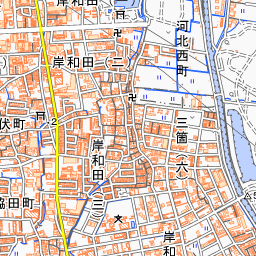
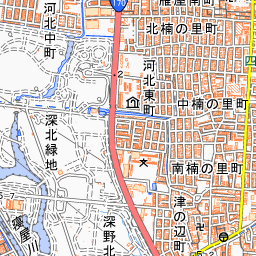
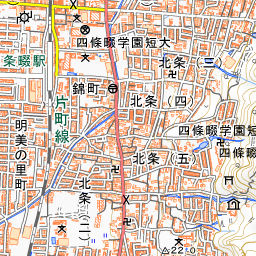
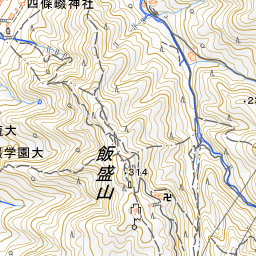
From the east exit of Nozaki Station on the JR Gakkentoshi Line, pass through the approach's shopping street for about 600 meters and climb approximately 150 stone steps to reach the temple grounds. It is about a 12-minute walk from the station. The grounds offer an open view; beyond the buildings of Osaka City, Awaji Island can sometimes be seen if conditions are good. The temple also serves as the entrance to a hiking trail leading up Mt. Iimori. Near the summit of the 314-meter-high Mt. Iimori lie the ruins of Iimori Castle, one of the largest Sengoku-period mountain castles in Osaka Prefecture. About 1.5 kilometers to the north-northeast is Shijonawate-jinja Shrine. The temple's parking lot cannot be used during New Year's and the Nozaki Mairi period.
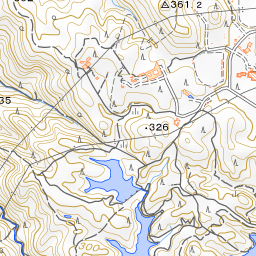
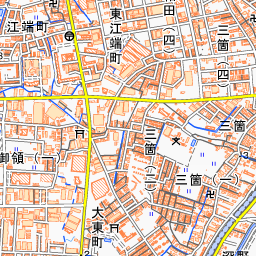
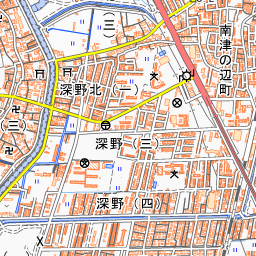
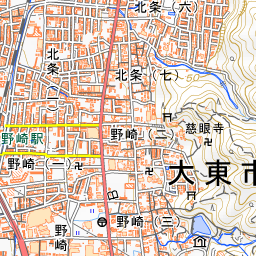
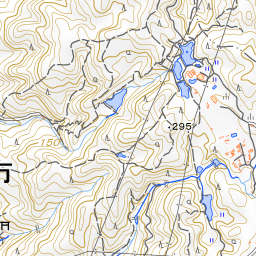
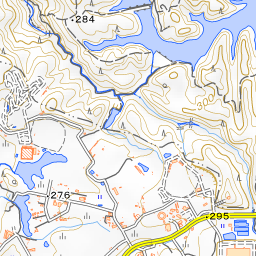
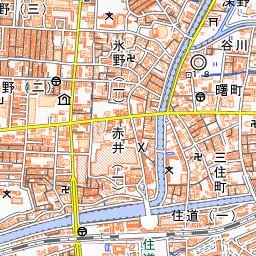
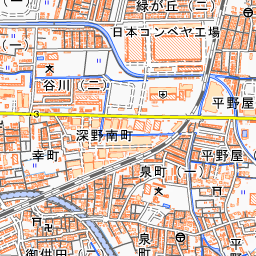
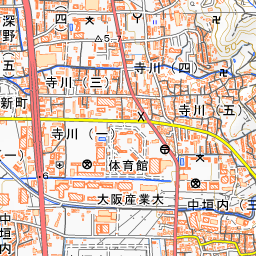
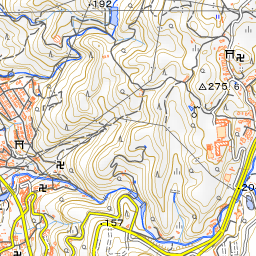
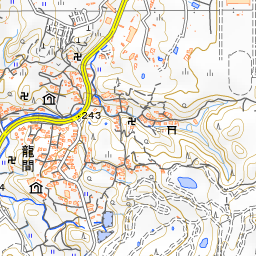
Spot location © OpenStreetMap contributors (ODbL)
Open in Google MapsGuides that include this spot (1)
Use asobot while you walk
- See where you are on the map and find spots nearby
- Listen to the guide's audio in course order, one after another (with subtitles)
- Walk to the next spot while following the map
Open on your phone
Scan to open this spot in asobot on your phone.