 ✨ AI Generated
Tachibana-dera Temple
Japanese: 橘寺
Asuka Village, Nara
This information was written by AI and may contain mistakes. Please check official sources for opening hours, fees, and other details before you go.
Found a mistake? Let us know with “✏️ Something's wrong” on this spot's screen in asobot →
🎧 Audio guide(1:04)
In short
Tachibana-dera Temple is a Tendai sect temple located in Asuka Village, built on the site said to be the birthplace of Prince Shotoku. It is counted as one of the seven temples founded by Prince Shotoku, and its principal image is a seated statue of the prince. Its Asuka-period remains were registered as a World Heritage site in 2026 as part of the "Ancient Capitals of Asuka and Fujiwara."
- Nimenseki (Two-Faced Stone): An Asuka-period stone object located to the left of the main hall, the Taishi-den (Prince's Hall). Its two faces are said to represent the two aspects of human nature: good and evil.
- Floral Ceiling: The coffered ceiling of the Ojoin Hall, rebuilt in 1997, is decorated with 260 floral paintings contributed by contemporary painters.
- Five-Story Pagoda Central Foundation Stone: A foundation stone that conveys the atmosphere of the grand temple at the time of its founding remains beside the approach.
History and Highlights
Tachibana-dera Temple is a Tendai sect temple closely associated with Prince Shotoku, and is counted as one of the seven temples he founded. According to temple tradition, the Tachibana-no-Miya detached palace of Emperor Kinmei once stood on this site. It is said that Prince Shotoku's mother, Princess Anahobe no Hashihito, went into labor and gave birth to the prince as she was passing by the palace stables.
Tradition recounts that the temple began when the prince lectured on the Shoman-gyo (Srimala Sutra) for Empress Suiko. In 606, lotus flowers reportedly rained down from the sky, prompting the construction of the temple. The principal image in the main hall is a seated statue of Prince Shotoku from the Muromachi period, designated as an Important Cultural Property.
However, the actual year of foundation is unknown. Recent archaeological excavations discovered a central foundation stone from the pagoda site that is of the same lineage as the Wakakusa Garan, proving that the temple was established during the Asuka period. Its Asuka-period remains were registered as a World Heritage site in 2026 as part of the "Ancient Capitals of Asuka and Fujiwara." It was initially built as a nunnery, and is today maintained as a temple for monks.
Excavations revealed that the original structures faced east, with the middle gate, pagoda, main golden hall, and lecture hall aligned in a straight line. It is said that 66 temple buildings stood here at the time of its founding, and the Tamamushi Shrine at Horyu-ji Temple is also said to have originally been at this temple. The temple declined after being burned down by warrior monks from Tonomine in 1506, and the current buildings were restored in the first year of Genji (1864).
The temple's name is said to derive from the tachibana citrus fruit brought back by Tajimamori and planted on this land. However, as this is a legend recorded in the Kojiki and Nihon Shoki, whether it is historical fact remains uncertain.
Viewing and Experience Points
- Nimenseki (Two-Faced Stone): An Asuka-period stone object located to the left of the main hall, the Taishi-den. The two faces on the left and right are said to represent the dual nature of the human heart, good and evil. It also appears in Osamu Tezuka's manga "The Three-Eyed One."
- Floral Ceiling of the Ojoin Hall: The coffered ceiling of the Ojoin Hall, rebuilt in 1997, is decorated with 260 floral paintings contributed by contemporary painters. Be sure to look up at the ceiling filled overhead with flowers.
- Five-Story Pagoda Central Foundation Stone: A pagoda foundation stone remains beside the approach. This central foundation stone conveys the atmosphere of the grand temple at the time of its founding.
Walking Tips
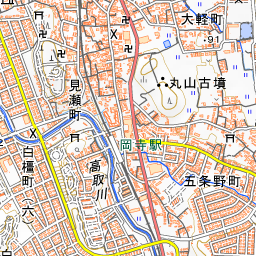
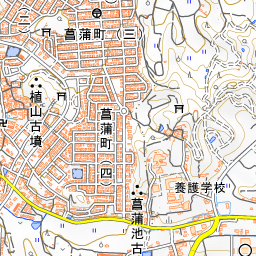
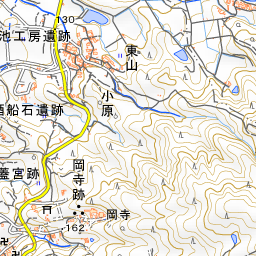
It is a 3-minute walk after getting off at the "Kawahara" stop on the Asuka Circular Bus. The temple faces the Kawara-dera Temple Site across the prefectural road, with the Kawara-dera Temple Site located about 250 meters to the north. On the grounds, there is a statue of a horse named Kurokoma, which was favored by Prince Shotoku. It is told that the prince rode Kurokoma to travel between the Ikaruga-no-miya Palace and Asuka. For those touring the stone objects on foot, one suggested route is to come here from the Kame-ishi Stone, about 600 meters to the west-northwest, and then proceed toward the Ishibutai Kofun Burial Mound, about 830 meters to the east-southeast.

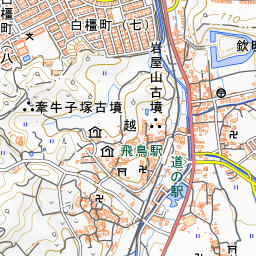
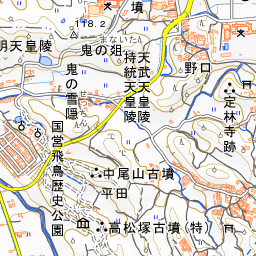
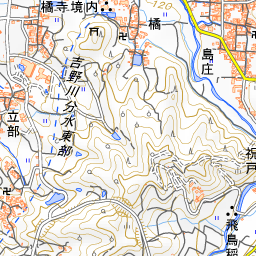
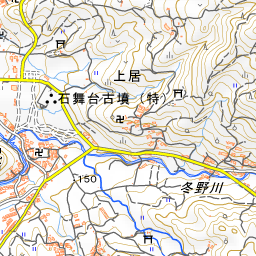
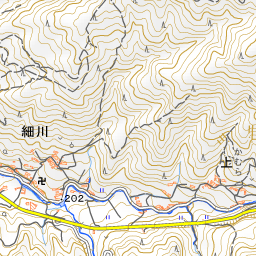
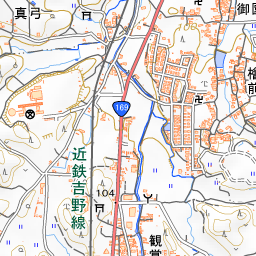
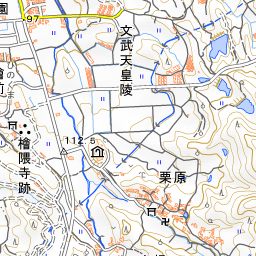
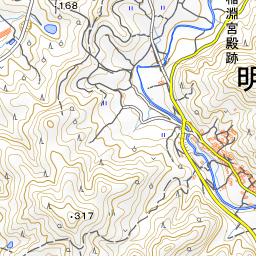
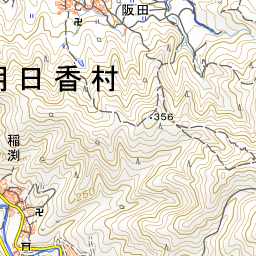
Spot location © OpenStreetMap contributors (ODbL)
Open in Google MapsGuides that include this spot (2)
- A First Bicycle Trip in Asuka: From Takamatsuzuka Kofun Burial Mound to Kame-ishi Stone, Tachibana-dera Temple, Ishibutai Kofun Burial Mound, and Asuka-dera Temple
- Stones and Temples of Asuka: From Shobuike Kofun Burial Mound to Mausoleum of Emperor Tenmu and Empress Jito, Kame-ishi Stone, Kawara-dera Temple, and Tachibana-dera Temple
Use asobot while you walk
- See where you are on the map and find spots nearby
- Listen to the guide's audio in course order, one after another (with subtitles)
- Walk to the next spot while following the map
Open on your phone
Scan to open this spot in asobot on your phone.