 ✨ AI Generated
Saikoku-ji Temple
Japanese: 西國寺
Onomichi, Hiroshima
This information was written by AI and may contain mistakes. Please check official sources for opening hours, fees, and other details before you go.
Found a mistake? Let us know with “✏️ Something's wrong” on this spot's screen in asobot →
🎧 Audio guide(1:01)
In short
Saikoku-ji Temple is a head temple (daihonzan) of the Daigo branch of Shingon Buddhism, said to have been founded by the monk Gyoki during the Tenpyo era (729–749) of the Nara period. Its spacious grounds are located halfway up Mt. Saikokuji, one of the mountains rising behind the town of Onomichi, and the Kondo and the three-story pagoda, designated as national Important Cultural Properties, remain here.
- Giant Straw Sandals at the Nio-mon Gate: Huge straw sandals measuring over 2 meters in length, dedicated in prayer for healthy, strong legs, hang at the Nio-mon gate
- The Kondo and Three-Story Pagoda: The Kondo is a building in traditional Japanese style (wayo) built in 1386 (Shitoku 3), and the three-story pagoda, said to have been donated by Ashikaga Yoshinori, is known as an excellent pagoda that preserves the classic Japanese style
- Pilgrimage Circuit on the Mountain Behind: Jizo statues representing the 88-temple pilgrimage are enshrined on Mt. Saikokuji behind the temple, and from the Tank Rock (Tanku-iwa) near the summit, you can look out over the town of Onomichi
History and Highlights
Saikoku-ji Temple is a head temple (daihonzan) of the Daigo branch of Shingon Buddhism, said to have been founded by the monk Gyoki during the Tenpyo era (729–749) of the Nara period. Its spacious grounds are located halfway up Mt. Saikokuji, one of the mountains rising behind the town of Onomichi.
Buildings designated as national Important Cultural Properties remain within the grounds. The Kondo (main hall), located up the stone stairway, was built in Shitoku 3 (1386) during the Nanboku-cho period; it is a massive, solid building in traditional Japanese style (wayo) with large wooden framework. The three-story pagoda standing on the higher ground above is said to have been donated by Ashikaga Yoshinori, the sixth shogun of the Muromachi shogunate. Built in the middle of the Muromachi period, it is known as an excellent pagoda that preserves the classic Japanese style.
Points for Viewing and Experiencing
- Giant Straw Sandals at the Nio-mon Gate: Huge straw sandals (waraji) measuring over 2 meters in length hang at the Nio-mon gate at the entrance to the approach. They were dedicated in prayer for healthy, strong legs and are a famous symbol of Saikoku-ji Temple. Flanking both sides of the gate are statues of the Nio guardians, said to date from the late Muromachi period.
- The Kondo and Three-Story Pagoda: Ascending the stone steps from the Nio-mon gate brings you to the Kondo, and climbing further brings the three-story pagoda into view. You can visit two Important Cultural Properties from different eras in succession while climbing the stone stairway.
- Pilgrimage Circuit on the Mountain Behind: Mt. Saikokuji behind the temple is also known as Mt. Mani. Jizo statues representing the 88-temple pilgrimage are enshrined along the mountain trails, and there is also a sacred site for the Thirteen Buddhas. From the Tank Rock (Tanku-iwa) near the summit, you can look out over the town of Onomichi.
Walking Tips
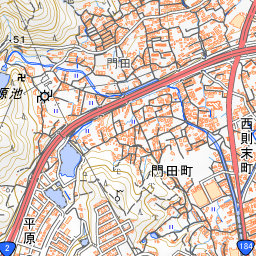
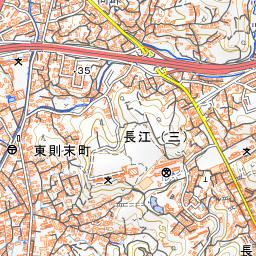
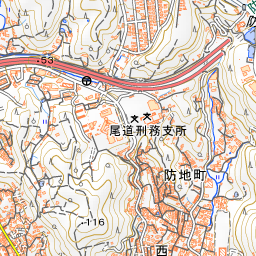
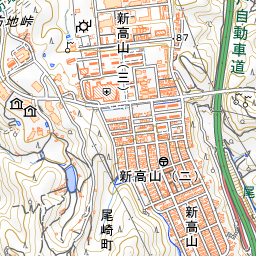
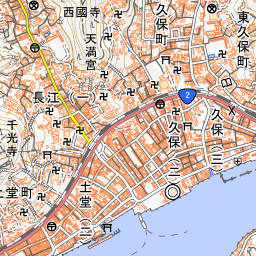
From JR Onomichi Station, it is about a 5-minute ride on an eastbound bus, followed by about a 5-minute walk from the "Saikokuji-shita" bus stop. It is also about a 15-minute walk from the lower station of the Mt. Senkoji Ropeway. Because stone stairways continue from the Nio-mon gate up to the Kondo and the three-story pagoda, comfortable walking shoes are recommended. In spring, cherry blossoms adorn the grounds around early April. Within the grounds is also the grave of Kobayashi Wasaku, a Western-style painter and honorary citizen of Onomichi. Saikoku-ji Temple is one of the temples of the "Onomichi Seven Buddhas Pilgrimage" along with Senko-ji Temple and Jodo-ji Temple. Combining a visit here with Jodo-ji Temple to the east and Senko-ji Temple to the west makes for a walk tracing the history of Onomichi's ancient temples.
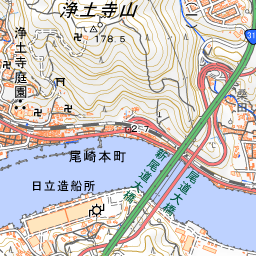
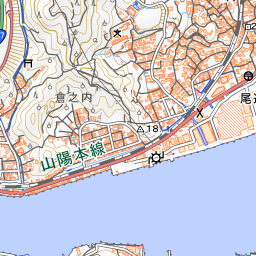
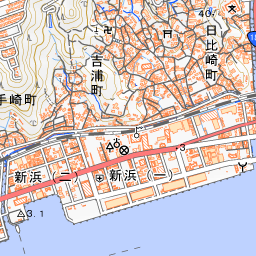
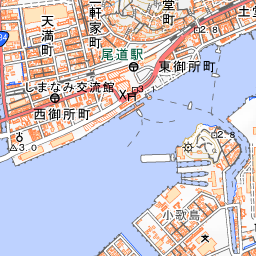
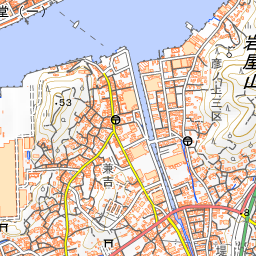
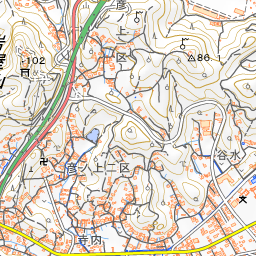
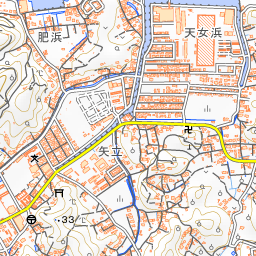
Spot location © OpenStreetMap contributors (ODbL)
Open in Google MapsGuides that include this spot (1)
Use asobot while you walk
- See where you are on the map and find spots nearby
- Listen to the guide's audio in course order, one after another (with subtitles)
- Walk to the next spot while following the map
Open on your phone
Scan to open this spot in asobot on your phone.