 ✨ AI Generated
Togenuki Jizoson Kogan-ji Temple
Japanese: とげぬき地蔵尊 高岩寺
Toshima City, Tokyo
This information was written by AI and may contain mistakes. Please check official sources for opening hours, fees, and other details before you go.
Found a mistake? Let us know with “✏️ Something's wrong” on this spot's screen in asobot →
🎧 Audio guide(1:09)
In short
Togenuki Jizoson Kogan-ji Temple is a Soto Zen temple located in Sugamo. The principal image, Enmei Jizo Bosatsu, is known by the name "Togenuki Jizo." The origin of this name is said to come from a story about saving a woman who had accidentally swallowed a needle. The temple was relocated from Ueno to Sugamo in 1891, and temple fairs (ennichi) are held on the 4th, 14th, and 24th of every month.
- Osugata: Paper talismans printed with the image of the principal deity, believed to have the power to draw out the "thorns" of illness and suffering.
- Arai Kannon: A stone statue believed to heal areas of the body corresponding to where it is washed with water; visitors now wash it using a towel or tenugui cloth.
- Main Hall (Jizo-den): Built from reinforced concrete and completed in 1957, this main hall is a Registered Tangible Cultural Property.
History and Highlights
Kogan-ji Temple was founded in 1596 on the east side of Kanda Myojin Shrine. After being completely destroyed by the Great Fire of Meireki in 1657, it relocated to Shitaya, in front of what is now JR Ueno Station. In 1891, it moved to Sugamo following an official notice from Tokyo Prefecture.
The name "Togenuki" (thorn-puller) originates from a legend surrounding the principal image. The principal image, Enmei Jizo Bosatsu, appears in the form of Jizo revealed on a small "spiritual seal" (reiin). In 1713, Jizo Bosatsu is said to have appeared in a dream to a temple parishioner praying for his severely ill wife's recovery and granted him this spiritual seal. Two years later, when a woman at the Mori clan's daimyo residence accidentally swallowed a needle, she was given a paper talisman bearing the printed image of this Jizo to swallow; the needle is then said to have emerged piercing through the image of Jizo on the paper. This is considered the beginning of the name "Togenuki." The spiritual seal was enshrined at Kogan-ji Temple in 1728, and it is now placed on the altar (shumidan) at the front of the main hall.
In 1945, the temple buildings were completely burned down in air raids. The current main hall, the Jizo-den, was completed in 1957. Recognized for recreating a traditional wooden temple style using reinforced concrete, it was listed as a Registered Tangible Cultural Property in 2009.
Key Sights and Experiences
- Osugata: Paper talismans printed with the likeness of the principal Jizo deity, bestowed before the main image. They are believed to possess the power to extract worries, pain, illnesses, and injuries as if pulling out "thorns." In addition to the ongoing tradition of swallowing the Osugata, many people also apply them to parts of their bodies where they feel pain.
- Arai Kannon: A stone statue of Sho Kanzeon Bosatsu located beside the main hall. It is believed that washing the statue with water will improve the corresponding parts of one's own body. Originally, a roofer named Kiheiji created it as a memorial for his wife, who died in the Great Fire of Meireki. The current statue is the second generation, dating from 1992, and it is washed with towels or tenugui cloths rather than scrub brushes.
- Kozo Inari: To the right of the Arai Kannon stands a small miniature shrine (zushi) guarded by a pair of foxes. Its name is thought to originate from a legend that, during the temple's time in Ueno, a tanuki doted on by the chief priest disguised itself as a "Mitsume Kozo" (three-eyed boy) to protect the temple.
Tips for Visiting
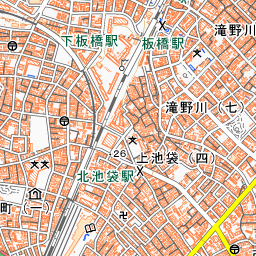
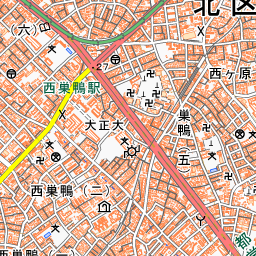
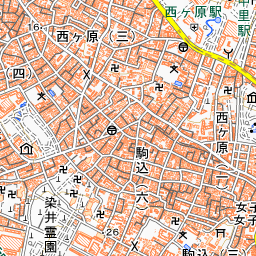
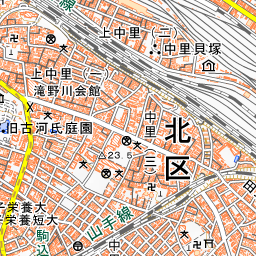
It is about a 5-minute walk from Sugamo Station on the JR Yamanote Line. Crossing the national highway in front of the station leads to the entrance of Sugamo Jizo-dori Shopping Street, from which the temple is approximately 200 meters away. From Koshinzuka Stop on the Toden Arakawa Line, walk south along Jizo-dori for about 700 meters. The temple gate (Sanmon) faces Jizo-dori and is always open. The original Arai Kannon is housed in a miniature shrine behind the statue and is displayed to the public on the 18th of every month. Regular festivals (Reitaisai) take place on the 24th of January, May, and September. Rikugien Gardens is located about 1 kilometer to the east.





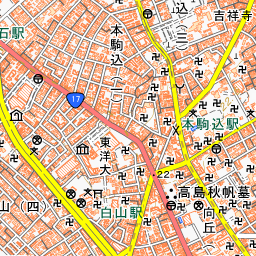

Spot location © OpenStreetMap contributors (ODbL)
Open in Google MapsGuides that include this spot (1)
Use asobot while you walk
- See where you are on the map and find spots nearby
- Listen to the guide's audio in course order, one after another (with subtitles)
- Walk to the next spot while following the map
Open on your phone
Scan to open this spot in asobot on your phone.