 ✨ AI Generated
Fumeikaku Hall
Japanese: 普明閣
Takehara, Hiroshima
This information was written by AI and may contain mistakes. Please check official sources for opening hours, fees, and other details before you go.
Found a mistake? Let us know with “✏️ Something's wrong” on this spot's screen in asobot →
🎧 Audio guide(0:58)
In short
Fumeikaku Hall is a Kannon hall standing within the grounds of Saiho-ji Temple on a hill overlooking the Takehara Historic Preservation District. Built in 1758, it is designated as an Important Cultural Property of Takehara City. It is regarded as an important building that forms the scenic centerpiece of Takehara's townscape.
- Stage-style Kannon Hall: A stage-style hall (butai-zukuri) with a double roof of formal tile roofing (hongawarabuki), it is said to have been built after the model of the stage at Kiyomizu-dera Temple in Kyoto
- View from the Stage: When you step up onto the stage, the Takehara townscape lined with tiled roofs spreads out below
- Castle-like Stone Walls: Saiho-ji Temple is known for its magnificent stone walls reminiscent of a castle, and as you climb the stone steps, you can enjoy the view looking up at the stone walls and Fumeikaku Hall
History and Highlights
Fumeikaku Hall is a Kannon hall standing within the grounds of Saiho-ji Temple on a hill overlooking the Takehara Historic Preservation District. Built in 1758, it is designated as an Important Cultural Property of Takehara City. Although its construction date is relatively recent, it is regarded as an important building that forms the scenic centerpiece of Takehara's townscape.
Saiho-ji was originally a Zen temple located in nearby Tanakamachi. After Myoho-ji Temple, which once stood on the current hill, was destroyed by a fire in 1602, Saiho-ji relocated to the site the following year and converted to the Jodo sect. Fumeikaku Hall is a reconstruction of the hall that enshrined a wooden standing statue of Eleven-faced Kannon, which was the principal image of Myoho-ji, and this Kannon statue is designated as an Important Cultural Property of Hiroshima Prefecture.
Viewing and Experience Points
- Stage-style Kannon Hall: This hall features a stage-style structure (butai-zukuri) with a double roof of formal tile roofing (hongawarabuki) and a square pyramidal roof (hogyo-zukuri) measuring three ken on each side. It is said to have been built after the model of the stage at Kiyomizu-dera Temple in Kyoto. Notice the rare shape of the roof and the beauty of the fine architectural design details.
- View from the Stage: When you step up onto the stage, the townscape of Takehara spreads out below. Looking down over the streets lined with tiled roofs is a panoramic view unique to this vantage point.
- Castle-like Stone Walls: Saiho-ji Temple is also known for its magnificent stone walls reminiscent of a castle. As you climb the stone steps, you can also enjoy the view looking up at the stone walls and Fumeikaku Hall.
Tips for Exploring
As you will need to climb stone steps to reach Saiho-ji Temple, comfortable walking shoes are recommended. Saiho-ji also appeared in director Obayashi Nobuhiko's 1983 film "The Girl Who Leapt Through Time." Fumeikaku Hall can also be viewed from the garden of the Former Matsusaka Family Residence in the historic townscape. Within the same district, you will also find Shoren-ji Temple, home to the Goryeo Bell designated as a National Important Cultural Property, and the Takehara City History and Folklore Museum, which introduces the history of Takehara. The origins of the townscape are introduced under "Takehara Historic Preservation District," and individual highlights are guided at each spot.


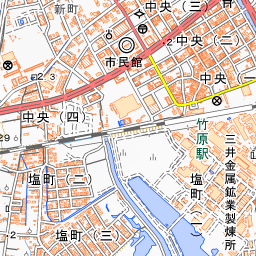

Spot location © OpenStreetMap contributors (ODbL)
Open in Google MapsGuides that include this spot (1)
Use asobot while you walk
- See where you are on the map and find spots nearby
- Listen to the guide's audio in course order, one after another (with subtitles)
- Walk to the next spot while following the map
Open on your phone
Scan to open this spot in asobot on your phone.