 ✨ AI Generated
Gango-ji Temple
Japanese: 元興寺
Nara City, Nara
This information was written by AI and may contain mistakes. Please check official sources for opening hours, fees, and other details before you go.
Found a mistake? Let us know with “✏️ Something's wrong” on this spot's screen in asobot →
🎧 Audio guide(1:09)
In short
Gango-ji Temple is located in Naramachi and is one of the temples that make up the World Heritage site "Historic Monuments of Ancient Nara." Originally founded in Asuka as Hoko-ji (Asuka-dera Temple)—Japan's first full-scale temple complex—it was moved to Heijo-kyo and renamed Gango-ji Temple, with its precincts once covering most of present-day Naramachi. Today, the Gokuraku-bo (Main Hall) and the Zen Room, both designated National Treasures that preserve parts of the ancient monks' living quarters, still stand.
- Gokuraku-bo and Zen Room: Two National Treasure buildings that convey the traces of Nara-period monks' quarters.
- Asuka-period Roof Tiles: What are said to be Japan's oldest roof tiles are still in use on the roofs today.
- Futoden: A field lined with approximately 1,500 stone pagodas and stone Buddhist statues dating from the medieval period through the Edo period.
History and Highlights
The predecessor of Gango-ji Temple was Hoko-ji, founded in Asuka in the late 6th century by Soga no Umako. It was a temple with Japan's first full-scale monastic compound. With the relocation of the capital to Heijo-kyo, it was newly moved and renamed Gango-ji Temple. It once flourished as one of the Seven Great Temples of Nanto, covering most of present-day Naramachi within its precincts. It was a grand temple complex built in the Gekyo (outer capital) to the east of Heijo-kyo, with Kofuku-ji Temple adjoining it to the north. Gango-ji Temple is one of the components of the World Heritage site "Historic Monuments of Ancient Nara."
In the middle of the Heian period, the temple's influence declined. The vast complex disappeared due to repeated disasters, and today only a corner of the monks' quarters remains. These are the Gokuraku-bo and the Zen Room. The Gokuraku-bo is said to have originated when a monk named Chiko enshrined a mandala in one of the monks' rooms; as faith in it flourished, it became an independent main hall. The current Gokuraku-bo is believed to have been rebuilt in 1244, and the Zen Room was also reconstructed in the early Kamakura period using old timbers from the Nara period. Both are National Treasures and precious buildings that convey the appearance of Nara-period temple quarters.
A legend of an oni (ogre) is also passed down at Gango-ji Temple. Long ago, an ogre appeared in the bell tower and terrified the people of the capital. It is said that a strong youth, born as a child of thunder, came to the temple and defeated the ogre by ripping off its hair. The ogre of Gango-ji Temple is called "Gagoze" or "Gango," and this name seems to have spread across the country.
Viewing and Experience Highlights
- Compare the Roof Tiles: On the roofs of the Gokuraku-bo and the Zen Room are tiles said to be the oldest in Japan. Made by Baekje artisans over 1,400 years ago, they originally adorned the roof of Hoko-ji in Asuka. Comparing the south and west sides of the Gokuraku-bo roof makes the differences in the tiles clearly visible. From the west side of the Futoden, the difference between the right end and the center of the Zen Room roof can be seen.
- Futoden: An area where approximately 1,500 memorial stone pagodas and stone statues from the medieval to the Edo period are lined up. During the Jizoe Manto Kuyo (Jizo Festival with Ten Thousand Lanterns) held every year on August 23 and 24, small oil lamps are lit, making it an event that heralds the end of summer in Naramachi.
- Horin-kan: A treasure hall on the temple grounds housing a wooden miniature five-story pagoda from the Nara period. This miniature five-story pagoda is a National Treasure.
Walking Tips
It is about a 15-minute walk from Kintetsu-Nara Station and about a 20-minute walk from JR Nara Station. It can be reached by walking about 420 meters south from Sarusawa Pond. On the grounds, first compare the roofs of the Gokuraku-bo and the Zen Room from the south and west sides. Afterwards, it is recommended to walk around to the west side of the Futoden to view the Zen Room's roof. After leaving the temple, you can stroll around the surrounding Naramachi. Naramachi Nigiwai-no-Ie is about 100 meters to the southwest, Jurin-in Temple is about 230 meters to the southeast, and Kyu-Daijo-in Garden is about 280 meters to the east.
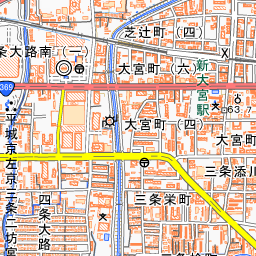

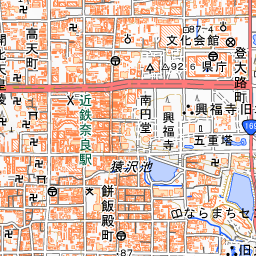
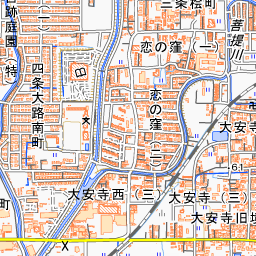
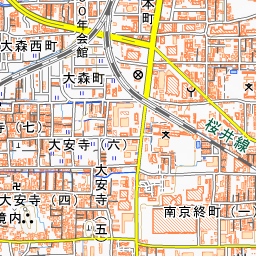
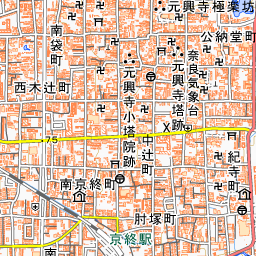
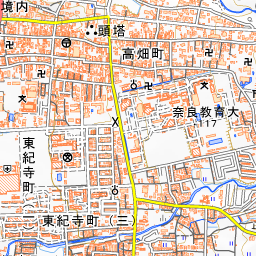
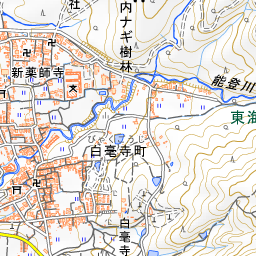
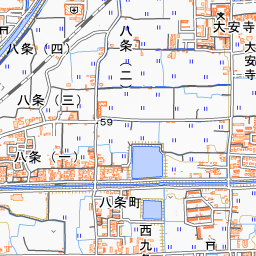
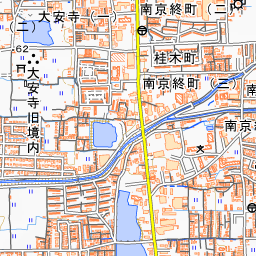
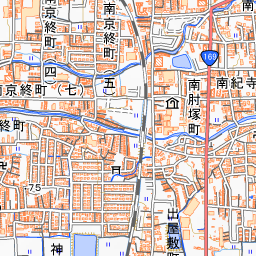
Spot location © OpenStreetMap contributors (ODbL)
Open in Google MapsGuides that include this spot (1)
Use asobot while you walk
- See where you are on the map and find spots nearby
- Listen to the guide's audio in course order, one after another (with subtitles)
- Walk to the next spot while following the map
Open on your phone
Scan to open this spot in asobot on your phone.