 ✨ AI Generated
Anamori Inari-jinja Shrine
Japanese: 穴守稲荷神社
Ota City, Tokyo
This information was written by AI and may contain mistakes. Please check official sources for opening hours, fees, and other details before you go.
Found a mistake? Let us know with “✏️ Something's wrong” on this spot's screen in asobot →
🎧 Audio guide(1:10)
In short
Anamori Inari-jinja Shrine is an Inari shrine located right next to Haneda Airport. According to shrine tradition, its history began during the Bunka and Bunsei eras of the Edo period, when Inari Okami was enshrined to protect the farmland from damage caused by a breach in the sea embankment. In the Meiji period, it flourished to the extent that a railway was opened to transport worshippers. The shrine is widely beloved for its vermilion Senbon Torii (rows of torii gates) and its fortune-bringing sacred sand (Goshinsago).
- Senbon Torii and the Goshin-ana: Passing through the continuous rows of vermilion torii gates leads to the Goshin-ana, where the fortune-bringing sacred sand is kept. The shrine grounds also feature the Okunomiya (inner shrine) and Inariyama, completed in 2020 (Reiwa 2).
- Sacred Sand (Goshinsago): Inspired by an old folk tale, many people visit seeking this fortune-bringing sand.
- Ties to Aviation: Originally situated within what is now Haneda Airport, the shrine continues to draw prayers for flight safety.
History and Highlights
Anamori Inari-jinja Shrine enshrines Toyouke-hime-no-Mikoto. According to shrine tradition, during the Bunka and Bunsei eras of the Edo period, when the area of Ogiura (within present-day Haneda Airport) was being reclaimed, a large breach formed in the embankment, threatening to let seawater flood in. The villagers built a small shrine atop the embankment and enshrined Inari Okami. This is said to be the beginning of the shrine. The name "Anamori" signifies Inari Okami protecting the farmland from the harm of holes breached by wind and waves.
When the official shrine title "Anamori Inari-jinja Shrine" was recognized in 1886 (Meiji 19), the shrine prospered even more. In 1902 (Meiji 35), the Keihin Electric Railway Anamori Line—the current Keikyu Airport Line—began operations to carry worshippers. Numerous torii gates were dedicated before the shrine, reaching 46,797 according to records. It was said that one would not even get wet in the rain once under the torii gates.
In 1945 (Showa 20), following the end of World War II, the shrine was ordered to vacate within 48 hours for the expansion of Haneda Airport by Allied forces. Its original location was near the southern end of current Runway B. In February 1948 (Showa 23), it relocated to its current site, and in the spring of 2020 (Reiwa 2), the Okunomiya and Inariyama were completed.
Highlights for Viewing and Experiencing
- Senbon Torii and Goshin-ana: Vermilion Senbon Torii stretch across the shrine grounds. Passing through them leads to the Goshin-ana, where the sacred sand is kept. Be sure to also visit the Okunomiya and Inariyama, completed in the spring of 2020.
- Sacred Sand (Goshinsago): Long ago, an old man from Haneda found only wet sand instead of fish inside his creel. Believing it to be a fox's trick, the villagers caught the fox, but the old man forgave it and let it go. It is told that from then on, he enjoyed large catches every time he fished, and when he scattered the small amount of sand left in his creel around his garden, customers gathered immediately. Following this tale, people continue to visit today in search of this fortune-bringing sand.
- Praying for Aviation Safety: In 1917 (Taisho 6), with the support of the shrine's representative, the Japan Aviation School was founded in Haneda. A story remains that on the night before a trainee's first solo flight, he secretly offered fried tofu to the shrine, completed the flight successfully, and returned to offer thanks. Today, prayers for aviation safety continue unbroken.
Travel Tips
The shrine is a 3-minute walk from Anamori-inari Station on the Keikyu Airport Line, and a 5-minute walk from Tenkubashi Station. After paying your respects at the haiden (worship hall), walk through the Senbon Torii to the Goshin-ana. In the afternoon on days with a south wind, you can view planes taking off into the southwestern sky up close from within the grounds. Near Tenkubashi Station at the foot of Bentenbashi Bridge stands the shrine's former red Otorii gate. It was the only torii gate that remained during the postwar relocation, and was moved to its current location in 1999 (Heisei 11). If you wish to see airplanes even closer, take the Keikyu Line two stations from Anamori-inari Station to the Haneda Airport Terminal 3 Observation Deck.

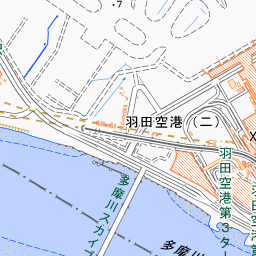
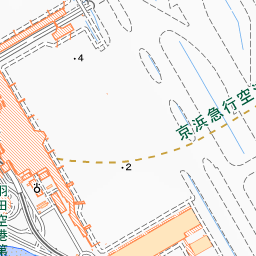
Spot location © OpenStreetMap contributors (ODbL)
Open in Google MapsUse asobot while you walk
- See where you are on the map and find spots nearby
- Listen to the guide's audio in course order, one after another (with subtitles)
- Walk to the next spot while following the map
Open on your phone
Scan to open this spot in asobot on your phone.