 ✨ AI Generated
Ono-dera Temple
Japanese: 大野寺
Uda, Nara
This information was written by AI and may contain mistakes. Please check official sources for opening hours, fees, and other details before you go.
Found a mistake? Let us know with “✏️ Something's wrong” on this spot's screen in asobot →
🎧 Audio guide(1:06)
In short
Ono-dera Temple is a temple of the Shingon Buddhism Muro-ji sect located in Muro-Ono, Uda City, and is also said to be the west gate of Muro-ji Temple. Across the Uda River, a large Miroku Magaibutsu (cliff-carved Buddha) is engraved onto the rock face on the opposite bank. The temple grounds are also known as a famous spot for weeping cherry blossoms (shidarezakura).
- Miroku Magaibutsu: A halo exceeding 13 meters is hollowed into the rock face, and an 11.5-meter-tall standing statue of Miroku Bosatsu is carved in lines within it.
- Connection to Retired Emperor Go-Toba: Construction began in the early Kamakura period, and Retired Emperor Go-Toba visited in 1209 (Jogen 3) for the eye-opening consecration ceremony (kaigen kuyo).
- Weeping Cherry Blossoms: In early April, two old Koito weeping cherry trees about 300 years old and 10 red weeping cherry trees bloom.
History and Highlights
Ono-dera Temple is a temple of the Shingon Buddhism Muro-ji sect located upstream on the Uda River. The main image is a wooden standing statue of Miroku Bosatsu. According to temple tradition, it was opened in 681 by En no Ozunu, and Kobo Daishi Kukai built a hall here in 824. In the past, it was called Jison-in Miroku-ji. Because many people stop by on their way to Muro-ji Temple, it is also called the "Great West Gate of Muro-ji Temple."
Most of the temple complex (garan) was lost in a major fire in December 1900 (Meiji 33). The present main hall and other structures were rebuilt after that.
The temple's greatest highlight is the Miroku Magaibutsu carved into the rock wall on the opposite bank of the Uda River. Its creation began in 1207 (Jogen 1), at the beginning of the Kamakura period, as a prayer offering by Retired Emperor Go-Toba. It is also said to have been initiated through the vow of the monk Gaen from Kofuku-ji Temple. It is said to have been modeled after the main image of Kasagi-dera Temple in Kyoto, a Miroku Magaibutsu. The sculptor Sokei of the Kei school was in charge of the production, and Song dynasty stonemasons who came to Japan during the reconstruction of Todai-ji Temple were also involved. In 1209 (Jogen 3), Retired Emperor Go-Toba visited this place for the eye-opening consecration ceremony. The cliff-carved Buddha, together with the temple grounds, is designated as a national Historic Site.
The statue features a hollowed-out halo exceeding 13 meters on the rock face, flattened on the inside, with an 11.5-meter-tall standing statue of Miroku Bosatsu carved in lines. It is considered to be one of the largest cliff-carved Buddhas in Japan.
Viewing and Experience Points
- Cliff-Carved Buddha Across the River: The cliff-carved Buddha stands on the rock face across the clear stream of the Uda River from the temple grounds. It is depicted wearing robes over its shoulders, with its head tilted to the right. Its left and right feet each rest on lotus pedestals.
- Migawari Jizo: The wooden standing statue of Jizo Bosatsu inside the hall is an Important Cultural Property from the Kamakura period. It is also called "Migawari Jizo" (Substitute Jizo) from the legend that it saved an innocent young woman from execution by burning at the stake.
- Weeping Cherries and Autumn Foliage: In early April, the old Koito weeping cherry trees and red weeping cherry trees compete in beauty. In autumn, the foliage viewed in the light of the setting sun is also exceptional.
Tips for Exploring
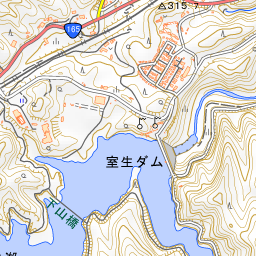
It is about a 5-minute walk from Muroguchi-Ono Station on the Kintetsu line. After entering the temple grounds, first look up at the rock wall across the Uda River and search for the figure of Miroku carved in lines. The long, narrow eyes and the tilted head are the key viewing points. Muro-ji Temple is located about 3.5 kilometers southeast of here. Buses to Muro-ji Temple depart from Muroguchi-Ono Station, allowing visitors to combine the two trips.

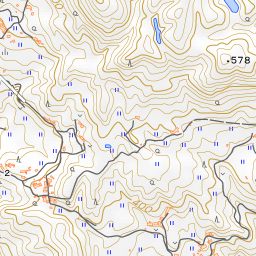
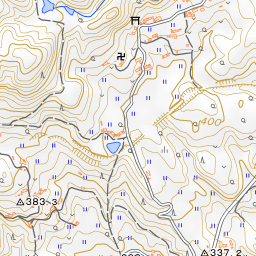
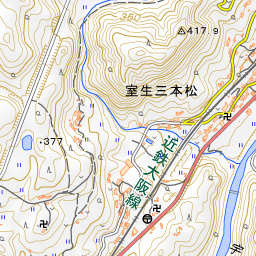
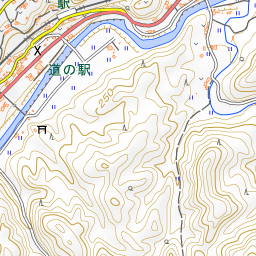


Spot location © OpenStreetMap contributors (ODbL)
Open in Google MapsGuides that include this spot (1)
Use asobot while you walk
- See where you are on the map and find spots nearby
- Listen to the guide's audio in course order, one after another (with subtitles)
- Walk to the next spot while following the map
Open on your phone
Scan to open this spot in asobot on your phone.