 ✨ AI Generated
Hozenji Yokocho
Japanese: 法善寺横丁
Chuo Ward, Osaka
This information was written by AI and may contain mistakes. Please check official sources for opening hours, fees, and other details before you go.
Found a mistake? Let us know with “✏️ Something's wrong” on this spot's screen in asobot →
🎧 Audio guide(1:14)
In short
A stone-paved alleyway that exudes a tranquil Naniwa (old Osaka) atmosphere, even while located within the bustling Minami district of Osaka. Two alleys, measuring 80 meters in length and 3 meters in width, stretch from east to west, lined with long-established kappo restaurants, bars, and eateries serving okonomiyaki and kushikatsu. Originally, this area was part of the precinct of Hozen-ji Temple of the Jodo sect, and street stalls catering to temple visitors eventually developed into this yokocho alley. It is known as the setting of the novel Meoto Zenzai by Oda Sakunosuke.
- Moss-Covered Mizukake Fudo: A statue of Fudo Myoo belonging to Hozen-ji Temple, standing at the western end of the alley and affectionately known as "Mizukake Fudo." Because people constantly pour water over it, the entire statue is covered in green moss. While the main hall and other structures were burned down during the Osaka air raids, this statue alone survived the fire
- Signboards at the East and West Entrances: The characters for "Hozenji Yokocho" were brushed by rakugo storyteller Katsura Harudanji III on the east, and comedy actor Fujiyama Kanbi on the west. The western signboard is famous for missing one stroke in the character "zen" (善), for which various theories exist regarding the reason
- The Story of Meoto Zenzai: Meoto Zenzai originated in 1883 (Meiji 16), when a sweet red-bean soup shop named "Ofuku" opened on the grounds of Hozen-ji Temple and achieved great success by serving zenzai divided into two bowls. It became an Osaka specialty, said to bring harmony to couples who eat it together
History and Highlights
Hozenji Yokocho is a stone-paved alleyway that exudes a tranquil Naniwa (old Osaka) atmosphere, even while located within the bustling Minami district of Osaka. Two alleys, measuring 80 meters in length and 3 meters in width, stretch from east to west, lined with long-established traditional kappo restaurants, bars, and eateries serving okonomiyaki and kushikatsu.
Originally, this area was part of the precinct of Hozen-ji Temple of the Jodo sect. Street stalls catering to temple visitors eventually developed into this yokocho alley. In connection with the belief that a wish would be granted by visiting every day for 1,000 days, Hozen-ji Temple was also called "Sennichi-dera Temple," and the place name Sennichimae, which spreads to the east of the alley, means "in front of Sennichi-dera Temple." Although both the temple and the alley were burned down during the air raids of the Pacific War, the area was revived as an entertainment quarter after the war. Later, having overcome two fires at the former Nakaza theater, it continues to preserve its traditional historic atmosphere today.
The alley is widely known as the setting of the novel Meoto Zenzai, published by Oda Sakunosuke in 1940 (Showa 15). In 1960 (Showa 35), the popular song "Tsuki no Hozenji Yokocho" became a massive hit.
Viewing and Experience Points
- Moss-Covered Mizukake Fudo: At the western end of the alley stands a statue of Fudo Myoo belonging to Hozen-ji Temple, affectionately known as "Mizukake Fudo." Because visitors seeking business prosperity and other blessings constantly pour water over it, the entire statue is covered in green moss, to the point where its facial features can no longer be distinguished. While the main hall and other structures were burned down during the Osaka air raids, this statue alone survived the fire.
- Signboards at the East and West Entrances: The characters for "Hozenji Yokocho" inscribed on the signboards hanging at the eastern and western entrances were brushed by rakugo storyteller Katsura Harudanji III on the east, and comedy actor Fujiyama Kanbi on the west. The western signboard is famous for missing one stroke in the character "zen" (善), for which various theories exist regarding the reason.
- The Story of Meoto Zenzai: Meoto Zenzai originated in 1883 (Meiji 16), when a sweet red-bean soup shop named "Ofuku" opened on the grounds of Hozen-ji Temple and achieved great success by serving zenzai divided into two bowls. It served as the motif for the story Meoto Zenzai and became an Osaka specialty, said to bring harmony to couples who eat it together.
Walking Tips
It is about a 5-minute walk from Namba Station on the Osaka Metro Midosuji Line and Sennichimae Line, Kintetsu, and Nankai. Unlike Dotonbori with its flashy signboards, the alley has maintained a calm atmosphere featuring red paper lanterns and wooden storefronts instead of neon signs. On rainy days, the wet flagstones take on a quiet, atmospheric charm. Dotonbori is about 70 meters to the northeast and Ebisu Bridge about 170 meters to the northwest, so stop by during a stroll through Minami.

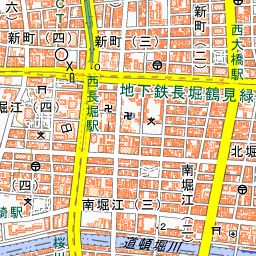
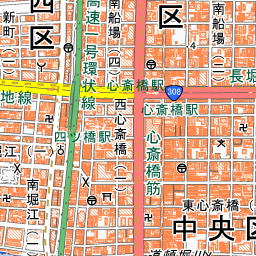
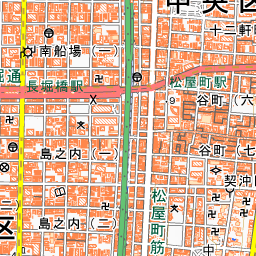
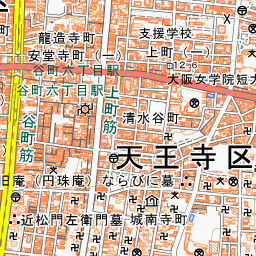
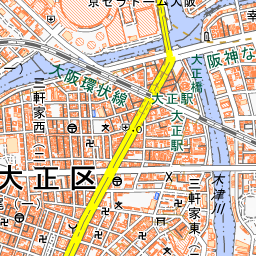
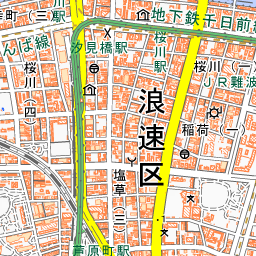
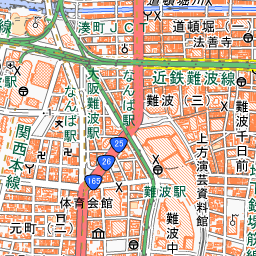
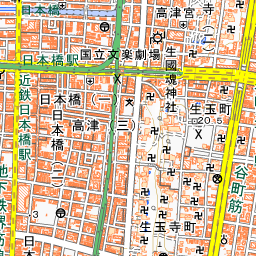
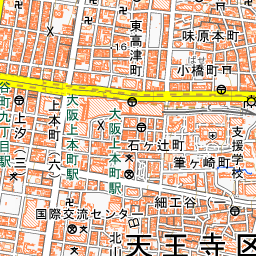

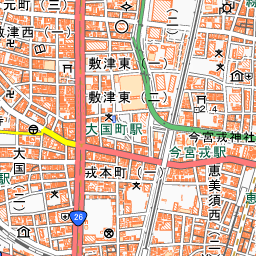
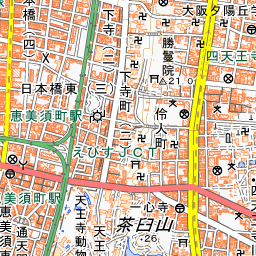
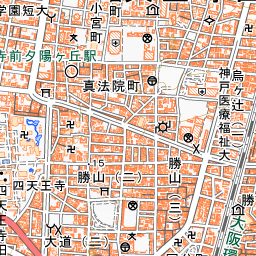
Spot location © OpenStreetMap contributors (ODbL)
Open in Google MapsGuides that include this spot (1)
Use asobot while you walk
- See where you are on the map and find spots nearby
- Listen to the guide's audio in course order, one after another (with subtitles)
- Walk to the next spot while following the map
Open on your phone
Scan to open this spot in asobot on your phone.