 ✨ AI Generated
Jonangu Shrine
Japanese: 城南宮
Fushimi Ward, Kyoto
This information was written by AI and may contain mistakes. Please check official sources for opening hours, fees, and other details before you go.
Found a mistake? Let us know with “✏️ Something's wrong” on this spot's screen in asobot →
🎧 Audio guide(1:14)
In short
A shrine whose name signifies a sanctuary that guards the south of Heian-kyo. It is said to have originated in 794 (Enryaku 13), upon the relocation of the capital to Heian-kyo, when it was enshrined to pray for the tranquility of the capital and the protection of the nation. In the late Heian period, it was even more deeply revered as the guardian shrine of the Toba Imperial Villa. Venerated as a "great shrine of hoyoke," it draws the devotion of people seeking safety in moving and construction, safe travels, and the warding off of evil.
- Garden of Flowers from The Tale of Genji: In the divine garden, "Rakusui-en Garden," over 80 varieties of plants described in The Tale of Genji are planted. It consists of five gardens of varying styles, in whose creation the landscape architect Nakane Kinsaku was involved
- Weeping Plum Blossoms and Camellias: In "Haru-no-Yama," 150 weeping plum trees herald the arrival of spring, and from the entrance of the divine garden through Haru-no-Yama and into the Heian Garden, approximately 400 camellia trees of 150 varieties bloom one after another
- Kyokusui no Utage: In the Heian Garden, the Kyokusui no Utage is held, reenacting the poetry gatherings that took place at the imperial court from the Nara to the Heian periods
History and Highlights
Jonangu Shrine is a shrine whose name signifies a sanctuary that guards the south of Heian-kyo. It is said to have originated in 794, upon the relocation of the capital to Heian-kyo, when Kunitokotachi-no-Mikoto was enshrined together with Yachihoko-no-Kami and Okinagatarashihime-no-Mikoto to pray for the tranquility of the capital and the protection of the nation, and revered collectively as the Jonan Okami. Yachihoko-no-Kami is another name for Okuninushi-no-Mikoto, and Okinagatarashihime-no-Mikoto is another name for Empress Jingu.
In the late Heian period, Retired Emperors Shirakawa and Toba built the Jonan Imperial Villa—also known as the Toba Imperial Villa—surrounding Jonangu Shrine, making it a hub of their cloistered governments. Jonangu Shrine was even more deeply revered as the guardian shrine of the imperial villa, and the palace halls of the villa were used as purifying sites for Kumano pilgrimages and lodgings for katatagae (directional avoidance travel). From this historical background, Jonangu Shrine is venerated as a "great shrine of hoyoke (warding off misfortune associated with directions)," drawing the devotion of people seeking safety in moving and construction, safe travels, and the warding off of evil.
The Battle of Toba-Fushimi, which was decisive for the Meiji Restoration, began with the roar of Satsuma Domain cannons stationed along the approach to Jonangu Shrine. The victorious Satsuma forces are said to have visited Jonangu Shrine on a pilgrimage of gratitude. Combining the sun, moon, and stars, the "Three Luminaries Crest (Sanko no Goshimon)" originates from the naval ensign of Empress Jingu's boat and is a crest that is rare even within Japan.
Viewing and Experience Highlights
- Garden of Flowers from The Tale of Genji: In the shrine's divine garden, the "Rakusui-en Garden," over 80 varieties of flora mentioned in The Tale of Genji are planted, earning it the affectionate name "Garden of Flowers from The Tale of Genji." It consists of five gardens of varying styles, and the landscape architect Nakane Kinsaku devoted his life to its creation.
- Weeping Plum Blossoms and Camellias: In "Haru-no-Yama" (Spring Mountain), sprawling to the west of the shrine pavilion, 150 weeping plum trees herald the arrival of spring with pale pink, red, and white blossoms. From the entrance of the divine garden through Haru-no-Yama and into the Heian Garden, approximately 400 camellia trees of 150 varieties bloom one after another.
- Kyokusui no Utage: In the Heian Garden, the "Kyokusui no Utage" (Winding Stream Banquet) is held, reenacting the poetry gatherings that took place at the imperial court from the Nara to the Heian periods. Poets clad in Heian-period attire compose waka poems, take cups from usho (winged sake cup floats) drifting along the garden stream, and sip sacred sake. According to Jonangu Shrine's event schedule, it is held on April 29.
Walking Tips
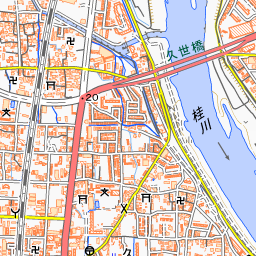
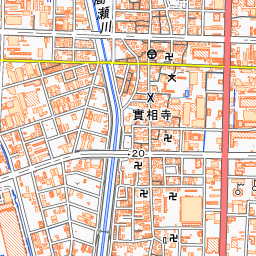
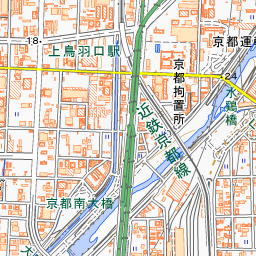
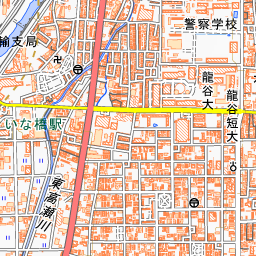
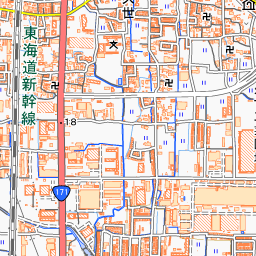
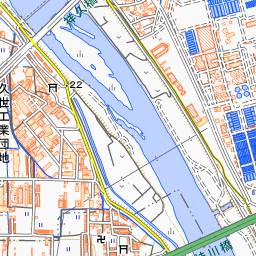
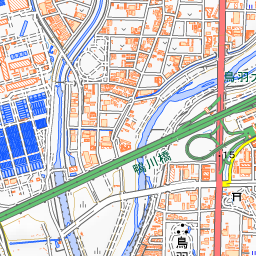
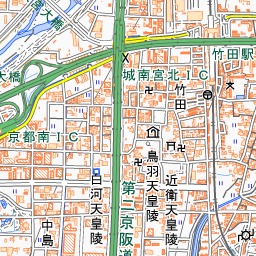
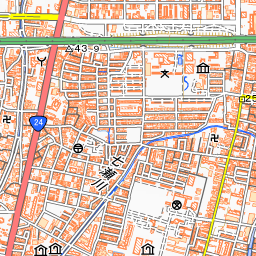
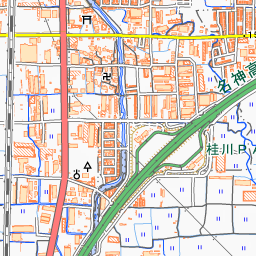
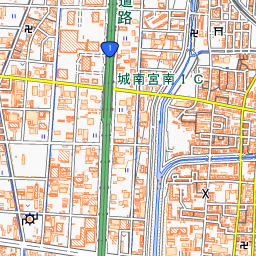
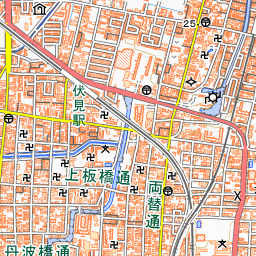
It is about a 15-minute walk from Takeda Station on the Subway Karasuma Line or Kintetsu Kyoto Line. "Aki-no-Yama" (Autumn Mountain), which forms a pair with "Haru-no-Yama" of the divine garden, is located in the Toba Imperial Villa Site Park on the west side across the national highway, about 300 meters from Jonangu Shrine.

Spot location © OpenStreetMap contributors (ODbL)
Open in Google MapsUse asobot while you walk
- See where you are on the map and find spots nearby
- Listen to the guide's audio in course order, one after another (with subtitles)
- Walk to the next spot while following the map
Open on your phone
Scan to open this spot in asobot on your phone.