 ✨ AI Generated
Seimei-jinja Shrine
Japanese: 晴明神社
Kamigyo Ward, Kyoto
This information was written by AI and may contain mistakes. Please check official sources for opening hours, fees, and other details before you go.
Found a mistake? Let us know with “✏️ Something's wrong” on this spot's screen in asobot →
🎧 Audio guide(1:09)
In short
A shrine dedicated to Abe no Seimei, an onmyoji of the Heian period. After Seimei passed away in Kanko 2 (1005), a shrine pavilion was built in Kanko 4 (1007) by order of Emperor Ichijo on the present site, where Seimei's residence once stood.
- Torii Gate with Seimei Kikyo: A gleaming gold shrine crest, the "Seimei Kikyo," is displayed on the plaque of the first torii gate. Also referred to as a pentagram, it is one of the prayer talismans used in Onmyodo
- Seimei Well and the Yakuyoke Peach: The spout of the well, said to have been brought forth by Seimei's spiritual power, faces the lucky direction of the year. There is also the "Yakuyoke Peach," a peach statue you rub your troubles against
- Former Ichijo Modoribashi Bridge and Shikigami: The corner pillars from the railing of the previous Ichijo Modoribashi Bridge were relocated to the grounds, recreating the bridge with its historic appearance. Legend tells that shikigami were sealed beneath Ichijo Modoribashi Bridge
History and Highlights
Seimei-jinja Shrine is dedicated to Abe no Seimei, an onmyoji (master of yin and yang) of the Heian period. Seimei was well versed in astronomy, and it is said that he observed the shifting stars to discern changes in the imperial court and divine fortune or misfortune in distant lands. After his passing in Kanko 2 (1005), Emperor Ichijo praised his great achievements and ordered the construction of a shrine pavilion in Kanko 4 (1007) on the present site, where Seimei's residence once stood.
At the time of its founding, the precinct was considered to be quite expansive, stretching from Horikawa-dori Street in the east to Kuromon-dori Street in the west, Motoseiganji-dori Street in the north, and Nakadachiuri-dori Street in the south. Following the Onin War, the grounds shrank due to urban remodeling by Toyotomi Hideyoshi and repeated fires from war, but reconstruction was carried forward thanks to the devotion of people who revered Seimei. The current main hall, situated at the innermost part of the precinct, was constructed in 1905 (Meiji 38).
Sights and Experiences
- Torii Gate with Seimei Kikyo: A gleaming gold shrine crest known as the "Seimei Kikyo" is displayed on the plaque of the first torii gate. Also referred to as a pentagram, this symbol is a prayer talisman used in Onmyodo (the Way of Yin and Yang), created by Seimei.
- Seimei Well and the Yakuyoke Peach: The Seimei Well is an artesian well said to have been brought forth by Seimei's spiritual power. The spout from which the water emerges faces the lucky direction (ehō) of the year and is rotated on Risshun (the beginning of spring). There is also the "Yakuyoke Peach" (Evil-Dispelling Peach), a statue depicting a fruit considered in China and Onmyodo to ward off evil and bad luck; rubbing your troubles against this peach is said to bring a refreshed feeling.
- Former Ichijo Modoribashi Bridge and Shikigami: The actual Ichijo Modoribashi Bridge, spanning the Horikawa River about 100 meters south of Seimei-jinja Shrine, was rebuilt in Heisei 7 (1995). The corner pillar from the railing of the previous bridge was relocated to the shrine grounds, recreating the "Ichijo Modoribashi Bridge" with its historic appearance. Legend tells that while Seimei lived here, his shikigami (familiar spirits) were sealed beneath the bridge because his wife was frightened of them.
Travel Tips
The shrine is just steps away from the Kyoto City Bus stop "Ichijo Modoribashi / Seimei-jinja-mae" and about a 12-minute walk from Imadegawa Station on the Karasuma Subway Line. The statue of Abe no Seimei within the grounds portrays him forming a mystical mudra beneath his robe as he gazes up at the night sky to observe the celestial bodies. Just to the north is the "Nishijin Textile Center", which introduces the history of Nishijin-ori Brocade and makes for a recommended stop in the same visit.


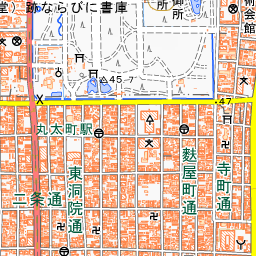

Spot location © OpenStreetMap contributors (ODbL)
Open in Google MapsGuides that include this spot (1)
Use asobot while you walk
- See where you are on the map and find spots nearby
- Listen to the guide's audio in course order, one after another (with subtitles)
- Walk to the next spot while following the map
Open on your phone
Scan to open this spot in asobot on your phone.