 ✨ AI Generated
Saidai-ji Temple
Japanese: 西大寺
Nara City, Nara
This information was written by AI and may contain mistakes. Please check official sources for opening hours, fees, and other details before you go.
Found a mistake? Let us know with “✏️ Something's wrong” on this spot's screen in asobot →
🎧 Audio guide(1:03)
In short
Saidai-ji Temple is the head temple of the Shingon Risshu sect, founded in the Nara period through a vow made by Empress Shotoku. Paired with Todai-ji Temple across the imperial palace of the Heijo capital, it was the "great temple of the west," once boasting more than 110 buildings. It was revived in the Kamakura period by Eison and is also known for the Ochamori ceremony, where tea is enjoyed from massive bowls.
- Main Hall and East Pagoda Site: In front of the Main Hall remains the massive foundation platform of the former East Pagoda.
- Principal Image: Standing Statue of Shakyamuni Buddha: Completed in 1249, this statue was commissioned by Eison as a copy of the Shakyamuni image at Seiryo-ji Temple in Kyoto.
- Demons of Shiou-do: The demons trampled under the feet of the Four Heavenly Kings statues date back to the temple's founding.
History and Highlights
Saidai-ji Temple is the head temple of the Shingon Risshu sect. True to its name, "great temple of the west," it was founded by a vow of Empress Shotoku as a place to pray to the Buddha for peace and security in the nation. It was situated to the west of the imperial palace in the Heijo capital. To the east of the palace was Todai-ji Temple, founded through a vow made by Emperor Shomu, the father of Empress Shotoku; the two temples formed a pair on either side of the imperial palace.
The beginning traces back to 764, when a vow was made to cast bronze statues of the Four Heavenly Kings to pray for the quelling of the Rebellion of Emi no Oshikatsu. The statues were completed the following year in 765, marking the founding of the temple compound. Construction continued until 780, resulting in more than 110 buildings across grounds of about 48 hectares, including two magnificent pagodas.
Repeated natural disasters during the Heian period led to the loss of many original buildings. In 1235, during the Kamakura period, Eison entered the temple, restoring the monastic precepts and revitalizing the complex. The Komyo Shingon-e assembly initiated by Eison is still held today as an annual temple event. The current Main Hall, Shiou-do, and Aizen-do were built during the Edo period. The temple grounds are designated as a national historic site.
Appreciation and Experience Points
- Main Hall: Standing north of the East Pagoda site, this is the central building of today's Saidai-ji Temple. Rebuilt at the end of the 18th century, it features a hipped roof (yosemune-zukuri) measuring about 26 meters wide and about 19 meters deep, making it one of the largest early modern Buddhist halls in Nara City. The principal image, a standing statue of Shakyamuni Buddha, was commissioned by Eison from the Buddhist sculptor Zenkei and others as a copy of the Shakyamuni statue at Seiryo-ji Temple in Kyoto, and was completed in 1249.
- East Pagoda Site and Shiou-do: The massive foundation platform in front of the Main Hall is the site of the East Pagoda. In Shiou-do, take a look at the demons trampled under the feet of the Four Heavenly Kings statues. These demons date back to the temple's founding.
- Ochamori Ceremony: This tea gathering is said to have originated at the New Year in 1239, when Eison offered tea to the guardian Hachiman deity after esoteric rites and shared the remaining tea with the gathered people. Known as a unique tea gathering where people drink from massive bowls exceeding one shaku (about 30 cm) in diameter, it is held in spring and autumn.
Walking Tips
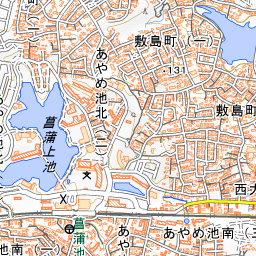
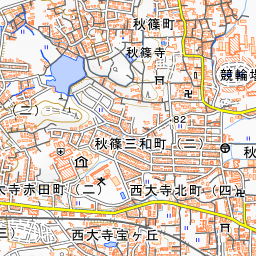
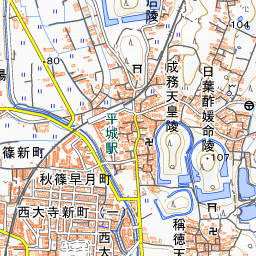
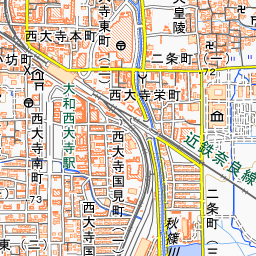
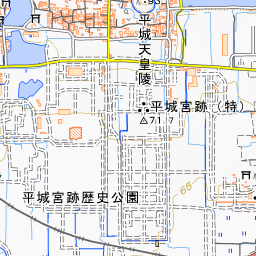
It is about a 3-minute walk from the South Exit of Yamato-Saidaiji Station on the Kintetsu line. Upon entering the grounds, it is recommended to first stand on the foundation platform of the East Pagoda site in front of the Main Hall, envisioning the once-vast temple complex before making your way to the Main Hall. In October, the Komyo Shingon-e, the largest annual event in the Shingon Risshu sect, is held in the Main Hall. Kiko-ji Temple is about 950 meters to the south, Akishino-dera Temple is about 1.2 kilometers to the north, and Nara Palace Site Historical Park is about 1.5 kilometers to the east.


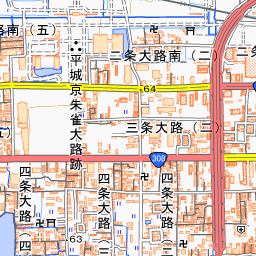
Spot location © OpenStreetMap contributors (ODbL)
Open in Google MapsGuides that include this spot (1)
Use asobot while you walk
- See where you are on the map and find spots nearby
- Listen to the guide's audio in course order, one after another (with subtitles)
- Walk to the next spot while following the map
Open on your phone
Scan to open this spot in asobot on your phone.