 ✨ AI Generated
Matsunoo-taisha Shrine
Japanese: 松尾大社
Nishikyo Ward, Kyoto
This information was written by AI and may contain mistakes. Please check official sources for opening hours, fees, and other details before you go.
Found a mistake? Let us know with “✏️ Something's wrong” on this spot's screen in asobot →
🎧 Audio guide(1:02)
In short
One of the oldest shrines in Kyoto. It is said that since ancient times, long before shrine buildings were constructed, a mountain god was enshrined at an iwakura (sacred rock) near the summit of Mount Matsunoo. In 701 (the first year of the Taiho era), shrine buildings were erected at the current location at the foot of the mountain. From around the end of the Muromachi period, the shrine came to be revered as "Japan's First Deity of Sake Brewing," and it still receives deep devotion from sake brewers nationwide today.
- Main Hall and Kame-no-i: The main hall, built in a rare style called Matsunoo-zukuri, is an Important Cultural Property of Japan. Sake brewers mix the water of the sacred spring Kame-no-i into the water they use to brew sake
- Three Gardens of Shofu-en Garden: Designed by Shigemori Mirei, they are the Garden of Antiquity, modeled after the sacred rock; the Garden of the Winding Stream; and the Horai Garden, whose pond takes the shape of a crane
- Sacred Statues and the Nade-game: In the Shinzo-kan, three sacred statues believed to have been made in the early Heian period are Important Cultural Properties of Japan. The "Nade-game" (stroking turtle), said to bring good fortune when stroked, is also popular
History and Highlights
Matsunoo-taisha Shrine is one of the oldest shrines in Kyoto. It is said that long before shrine buildings were constructed, the people of this region enshrined a mountain god at an iwakura (sacred rock) near the summit of Mount Matsunoo. It is said that the Hata clan, who settled in this area around the 5th century, worshipped the god of Mount Matsunoo as their ancestral deity, opened the Hozukyo Gorge, built weirs on the Katsura River, and turned the wilderness on both banks into farmland. The Ichinoi canal, part of that water network, still flows through the shrine grounds today. In 701 (the first year of the Taiho era), Hata no Imiki Tori, by order of Emperor Monmu, erected shrine pavilions at the current location at the foot of the mountain and transferred the divine spirit from the sacred rock.
The enshrined deities are Oyamagui-no-Kami and Ichikishimahime-no-Mikoto. When the capital moved to Heian-kyo, the shrine was regarded, alongside Kamo Shrine, as a guardian shrine of the capital, celebrated in the phrase "the solemn deity of Kamo and the fierce spirit of Matsunoo." Sake brewing was considered a specialized craft of the Hata clan, and from around the end of the Muromachi period, the deity came to be revered as "Japan's First Deity of Sake Brewing," continuing to receive deep devotion from sake brewers nationwide today.
Viewing and Experience Points
- Main Hall and Kame-no-i: Built in 1397 (the 4th year of the Oei era) at the beginning of the Muromachi period, the main hall (honden) is constructed in a rare architectural style called Matsunoo-zukuri and is designated as an Important Cultural Property of Japan. It features a curved gabled roof where the front and back slopes are of equal length. In front of Reiki Falls is a sacred spring called Kame-no-i, whose water is mixed into the brewing water by sake makers. It is also known as water that grants longevity.
- Three Gardens of Shofu-en Garden: These are the three gardens of Shofu-en Garden, designed by garden artist Shigemori Mirei and completed in 1975 (Showa 50). They consist of the Garden of Antiquity (Joko-no-niwa), modeled after the sacred rock; the Garden of the Winding Stream (Kyokusui-no-niwa), representing an elegant pastime of Heian nobles; and the Horai Garden (Horai-no-niwa), where the entire pond forms the shape of a crane spreading its wings. Over 200 blue stones from the Yoshino River in Shikoku were used.
- Shinzo-kan and the Divine Messenger Turtles: The Shinzo-kan (Hall of Sacred Statues) displays 21 sacred statues, among which three, believed to have been created in the early Heian period, are designated as Important Cultural Properties of Japan. Throughout the grounds, there are various statues of turtles, considered divine messengers, and the "Nade-game" (stroking turtle), said to bring good fortune when stroked, is very popular.
Walking Tips
It is about a 3-minute walk from Matsunoo-taisha Station on the Hankyu Arashiyama Line. In spring, the shrine is also known for its vivid yellow yamabuki (Japanese kerria) blossoms. The Sake Museum on the grounds introduces the connection between Matsunoo-taisha Shrine and sake, as well as the sake brewing process, including video presentations. Tsukiyomi-jinja Shrine, an auxiliary shrine, is located about 400 meters to the south, and Suzumushi-dera Temple and Saiho-ji Temple are located about 700 to 900 meters to the south.
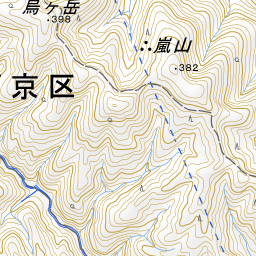
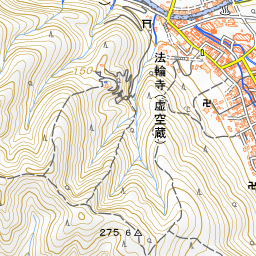
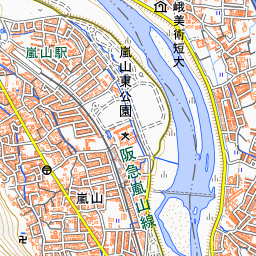
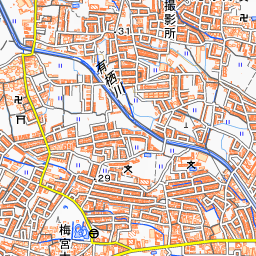

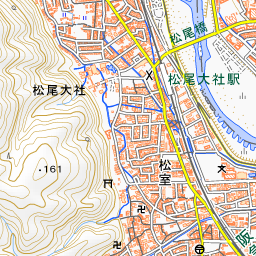


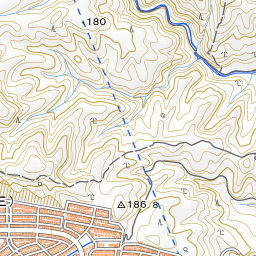
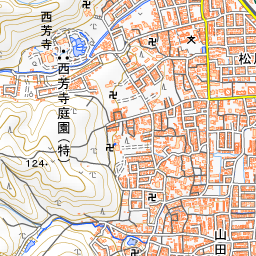
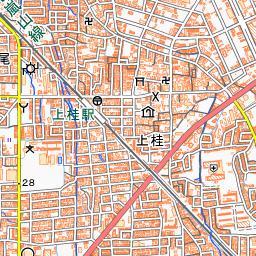
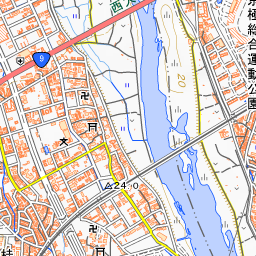
Spot location © OpenStreetMap contributors (ODbL)
Open in Google MapsGuides that include this spot (1)
Use asobot while you walk
- See where you are on the map and find spots nearby
- Listen to the guide's audio in course order, one after another (with subtitles)
- Walk to the next spot while following the map
Open on your phone
Scan to open this spot in asobot on your phone.