 ✨ AI Generated
Shoden-ji Temple
Japanese: 正伝寺
Kita Ward, Kyoto
This information was written by AI and may contain mistakes. Please check official sources for opening hours, fees, and other details before you go.
Found a mistake? Let us know with “✏️ Something's wrong” on this spot's screen in asobot →
🎧 Audio guide(1:08)
In short
Formally named Kisshozan Shoden Gokoku Zenji, this is a Zen temple of the Nanzen-ji branch of Rinzai Zen Buddhism. It began with a hall founded by Togan Ean in 1273 and moved to its present site in Nishigamo in 1282. After all of its halls were lost to the flames of war during the Onin War, it was revived once again when Tokugawa Ieyasu granted a vermilion-seal certificate (shuinjo) for its temple lands and precincts.
- The Main Hall Connected to Fushimi Castle and the Blood Ceiling: The main hall is said to be a surviving structure of the Onariden hall of Fushimi Castle and is a National Important Cultural Property. The ceiling of the wide veranda is made from the floorboards of a hallway where Torii Mototada and others of the Tokugawa forces took their own lives by disembowelment when Fushimi Castle fell
- Fusuma Paintings Depicting West Lake: Fusuma paintings of the scenery of West Lake in Hangzhou, China, commissioned by Tokugawa Ieyasu. Considered to be the work of Kano Sanraku and his school, they are designated as a National Important Cultural Property
- The Shishi-no-Kowatashi Garden: A dry landscape garden featuring only clipped shrubs such as azaleas, arranged in groups of seven, five, and three on white sand, with Mt. Hiei incorporated as borrowed scenery. It is designated as a Place of Scenic Beauty of Kyoto City
History and Highlights
Shoden-ji Temple is a Zen temple of the Nanzen-ji branch of Rinzai Zen Buddhism, and its official name is Kisshozan Shoden Gokoku Zenji. It was founded by Togan Ean, who studied for many years under Gottan Funei, a Zen monk who traveled to Japan from China. It began with a hall built near Karasuma Imadegawa in Kyoto in 1273 with imperial permission from Emperor Kameyama, and in 1282, it moved to its present location upon receiving a donation of an estate in Nishigamo. In 1323, it became an imperial prayer temple for Emperor Go-Daigo, but all of its halls were lost to the flames of war during the Onin War. A revival under Toyotomi Hideyoshi was not realized, but the temple was revived once again after Tokugawa Ieyasu granted a vermilion-seal certificate (shuinjo) for its temple lands and precincts.
Viewing and Experience Points
- The Main Hall Connected to Fushimi Castle and the Blood Ceiling: The main hall was relocated in 1653 from the Shohojo (small abbot's quarters) of Konchi-in Temple, a sub-temple of Nanzen-ji Temple. It is said to be a surviving structure of the Onariden hall of Fushimi Castle and is designated as a National Important Cultural Property. The ceiling of the wide veranda is made from the floorboards of a hallway where over 380 members of the Tokugawa forces, including Torii Mototada who had holed up in Fushimi Castle just before the Battle of Sekigahara, committed ritual suicide by disembowelment when the castle fell.
- Fusuma Paintings Depicting West Lake: The fusuma (sliding door) paintings in each room of the hojo (abbot's quarters) were commissioned by Tokugawa Ieyasu around 1605 during the repairs of the Honmaru Goten (main palace) of Fushimi Castle, and they depict scenery of West Lake in Hangzhou, China. Considered to be the work of Kano Sanraku and his school, they are designated as a National Important Cultural Property as hojo barrier paintings.
- The Shishi-no-Kowatashi Garden: The garden in front of the hojo is a dry landscape (karesansui) garden featuring only clipped shrubs such as azaleas on white sand, incorporating Mt. Hiei in the far distance as borrowed scenery. The clipped shrubs are arranged from right to left in groups of seven, five, and three, and it is known as "Shishi-no-Kowatashi." It took its present form through renovations in 1935 and is designated as a Place of Scenic Beauty of Kyoto City.
Tips for Walking
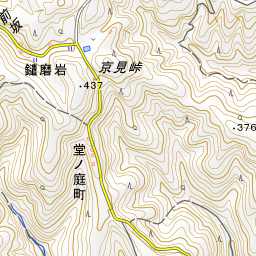
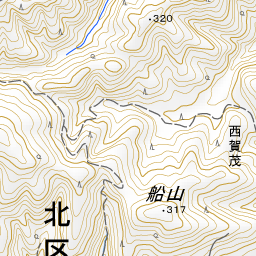
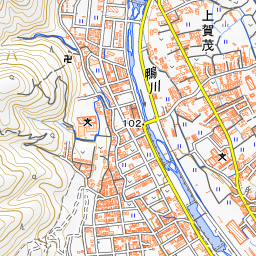
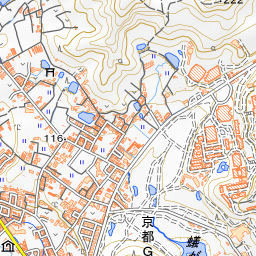
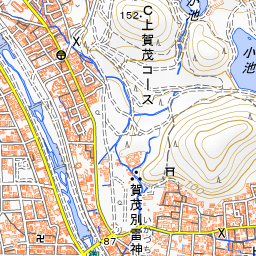
It is about a 15-minute walk from the "Jinko-in Mae" city bus stop. Buses bound for Nishigamo Shako run from Kyoto Station (Route 9) and Kitaoji Bus Terminal (Route 37), among others. The garden is constructed to overlook Mt. Hiei beyond a plaster-finished mud wall, so try viewing the white sand garden and the distant mountain together as a single landscape from the front of the main hall.
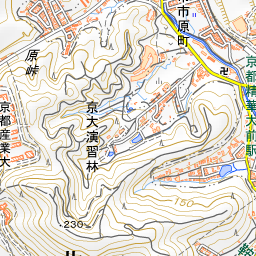
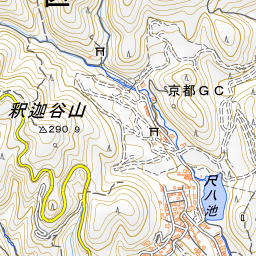
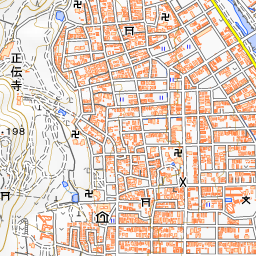
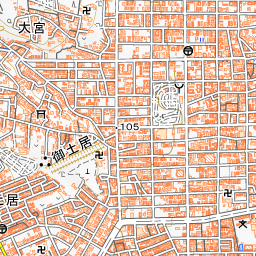

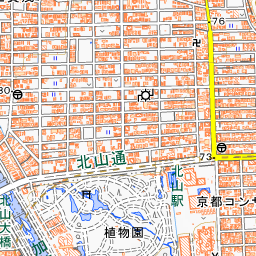
Spot location © OpenStreetMap contributors (ODbL)
Open in Google MapsUse asobot while you walk
- See where you are on the map and find spots nearby
- Listen to the guide's audio in course order, one after another (with subtitles)
- Walk to the next spot while following the map
Open on your phone
Scan to open this spot in asobot on your phone.