 ✨ AI Generated
Kawara-dera Temple Site
Japanese: 川原寺跡
Asuka Village, Nara
This information was written by AI and may contain mistakes. Please check official sources for opening hours, fees, and other details before you go.
Found a mistake? Let us know with “✏️ Something's wrong” on this spot's screen in asobot →
🎧 Audio guide(1:05)
In short
The Kawara-dera Temple Site is the remains of Kawara-dera Temple, which flourished during the Asuka period as an important state temple. It is said to have been built by Emperor Tenji for his mother, Empress Saimei, and is known for its unique temple layout featuring one pagoda and two main halls (kondo). It is one of the component assets of the World Cultural Heritage property "Ancient Capitals of Asuka and Fujiwara."
- Vast Temple Grounds: Archaeological excavations have revealed temple grounds extending approximately 333 meters from north to south, with a layout containing two main halls.
- Marble Foundation Stones: The foundation stones of the Chū-kondo (Central Main Hall), referred to at the temple as "agate stones" (menō-ishi), are made of marble.
- Birthplace of Sutra Copying: This is said to be where Buddhist sutra copying (shakyo) was first carried out in Japan, and Gufuku-ji Temple now stands on the remains of the Chū-kondo.
History and Highlights
The Kawara-dera Temple Site is the former location of Kawara-dera Temple, founded in the Asuka period. Also called Gufuku-ji Temple, it flourished as an important state temple where prayers for the recovery of emperors from illness and memorial services were conducted. During the reign of Emperor Monmu, it was counted among the Four Great Temples alongside Daikandai-ji Temple, Yakushi-ji Temple, and Asuka-dera Temple.
It is said that Emperor Tenji built the temple for his mother, Empress Saimei, on the site of Kawaranomiya Palace. However, detailed records regarding the reason and the exact date of its construction do not survive. Based on historical literature and excavated pottery, the founding period is considered to be between the reign of Emperor Tenji and that of Emperor Tenmu. It remains an ancient temple shrouded in mystery.
Excavations revealed a vast temple precinct extending about 333 meters from north to south. The layout features the Sai-kondo (West Main Hall) to the west and a pagoda to the east, surrounded by a cloister gallery that connects to the Chū-kondo (Central Main Hall) to the north. This layout with one pagoda and two main halls is called the itto nikondo-shiki (one-pagoda, two-main-hall style). The units of measurement used in the layout and the tile-like Buddhist relief images known as senbutsu indicate a significant influence from Tang China.
In the mid-9th century, the temple was struck by fire. The neighboring Kawara-dera Urayama Site is an archaeological site where damaged items burnt in this fire were gathered and buried underground. Over several thousand items have been unearthed, including fragments of senbutsu and clay statues. Today, Gufuku-ji Temple stands on the site of the Chū-kondo. The Kawara-dera Temple Site is a National Historic Site and a component asset of the World Cultural Heritage property "Ancient Capitals of Asuka and Fujiwara."
Viewing and Experiencing Highlights
- Foundation Stones and Podiums: The central part of the temple grounds has been developed, with reconstructions of the podiums, an open-air display of foundation stones, and a restoration of the temple layout.
- Agate Stones (Menō-ishi): Within the grounds of Gufuku-ji Temple remain the foundation stones of the Chū-kondo, called "agate stones" by the temple. Despite the name "agate," they are rare foundation stones made of marble.
- Buddhist Statues and Sutra Copying: The wooden standing statues of Jikokuten and Tamonten in the main hall are designated as National Important Cultural Properties, and are said to have been sculpted by Kōbō Daishi. This is said to be the place where the copying of sutras was first carried out in Japan, and the Nihon Shoki records that Emperor Tenmu gathered scribes at Kawara-dera Temple to copy the entire Buddhist canon (Issai-kyo). Visitors can also experience sutra copying, and from the window of the sutra copying hall, the site of the lecture hall and Mt. Amanokagu can be viewed.
Travel Tips
For an easy-to-follow tour, it is best to walk northward from the site of the Nandaimon (South Great Gate), which is close to the prefectural road. Pass by the sites of the Chūmon (Middle Gate), the pagoda, and the Sai-kondo, and proceed toward Gufuku-ji Temple, which stands on the site of the Chū-kondo. To its north lies the site of the lecture hall. Across the Asuka River, it faces the Asuka Palace Site, located about 320 meters to the northeast. Tachibana-dera Temple is located immediately adjacent, about 250 meters to the south, and the Kame-ishi Stone, about 580 meters to the west, is also an exclave of the National Historic Site Kawara-dera Temple Site.
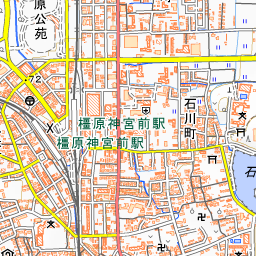
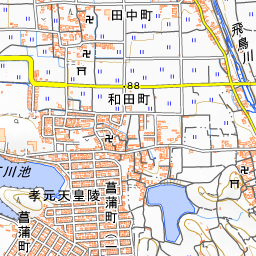
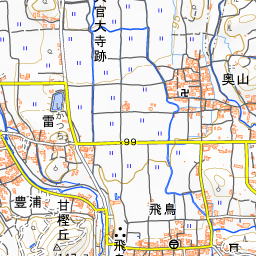
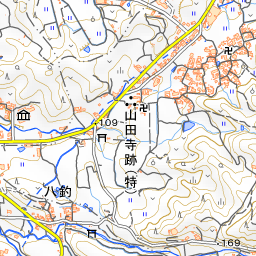

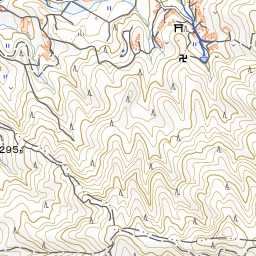
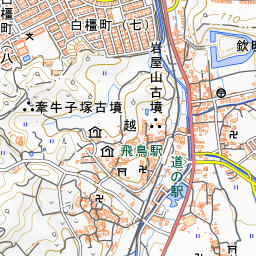
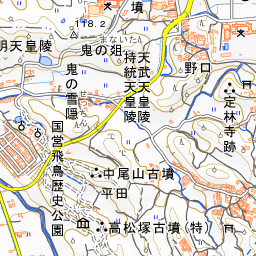
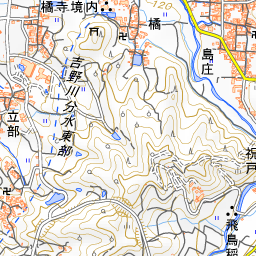
Spot location © OpenStreetMap contributors (ODbL)
Open in Google MapsGuides that include this spot (1)
Use asobot while you walk
- See where you are on the map and find spots nearby
- Listen to the guide's audio in course order, one after another (with subtitles)
- Walk to the next spot while following the map
Open on your phone
Scan to open this spot in asobot on your phone.