 ✨ AI Generated
Kasuga-taisha Shrine
Japanese: 春日大社
Nara City, Nara
This information was written by AI and may contain mistakes. Please check official sources for opening hours, fees, and other details before you go.
Found a mistake? Let us know with “✏️ Something's wrong” on this spot's screen in asobot →
🎧 Audio guide(1:05)
In short
Kasuga-taisha Shrine is said to have begun during the Nara period, when the deity Takemikazuchi-no-Mikoto was welcomed to the summit of Mt. Mikasa from Kashima to protect the capital of Heijo-kyo. It serves as the head shrine of approximately 3,000 Kasuga shrines across Japan, with vermilion-lacquered shrine buildings standing amidst the forest. The shrine precincts, including the sacred mountain, are a World Heritage Site.
- National Treasure Main Sanctuary and Cloisters: Enclosed by cloisters stand four main sanctuary buildings, all designated as National Treasures. The South Gate (Nanmon), entered from the main approach (omotesando), is Kasuga-taisha Shrine's largest two-story gate with a height of 12 meters.
- Approximately 3,000 Lanterns: Lanterns donated since the Heian period line the grounds. The Mantoro (lantern festival), in which all lanterns are lit, takes place during Setsubun in February as well as on August 14 and 15.
- Sunazuri-no-Fuji (Sand-grazing Wisteria): Located just inside Keigamon Gate, the flower clusters of this wisteria extend over 1 meter long around early May. It is said to be over 700 years old.
History and Highlights
The deities of Kasuga-taisha Shrine are said to have been enshrined here at the beginning of the Nara period. To protect Heijo-kyo, Takemikazuchi-no-Mikoto was first welcomed and venerated at the summit of Mt. Mikasa from Kashima (Ibaraki Prefecture). Several decades later, in 768 (the second year of the Jingo-keiun era), Fujiwara no Nagate, the Minister of the Left, and others erected the shrine buildings at the current location by order of Empress Shotoku. It is said to have originated with the enshrinement of four deities together: Takemikazuchi-no-Mikoto, Futsunushi-no-Mikoto from Katori (Chiba Prefecture), and Amenokoyane-no-Mikoto and Himegami enshrined at Hiraoka-jinja Shrine (Osaka Prefecture).
Kasuga-taisha Shrine served as the tutelary shrine of the Fujiwara clan, and emperors, retired emperors, and many aristocrats visited to worship and offer dedications. Its collection of treasures encompasses about 3,000 items, earning it the name "the Shosoin of the Heian period." In the Heian period, the deity of Wakamiya is said to have manifested, and the Wakamiya main sanctuary was erected at its current site in 1135. The Kasuga Wakamiya Onmatsuri festival, held on December 17 since the following year, is designated as a national Important Intangible Folk Cultural Property.
The "Shikinen Zotai" rebuilding ritual to restore the shrine buildings every 20 years has taken place 60 times to date. It is the head shrine of approximately 3,000 Kasuga shrines nationwide, and the precincts including the sacred mountain form a World Heritage Site. Because the deity arrived at Mt. Mikasa riding on a white deer, deer have been cherished as divine messengers.
Viewing & Experience Highlights
- South Gate and Inside the Cloisters: The South Gate, entered from the main approach, is the largest two-story gate at Kasuga-taisha Shrine, standing 12 meters high. The Chumon Gate is a two-story gate about 10 meters high standing directly in front of the main sanctuary, often mistaken for the sanctuary itself. During special viewings, visitors can advance directly in front of the Chumon Gate to pray.
- Lanterns: There are roughly 3,000 lanterns in the grounds that have been donated since the Heian period. The custom of lining shrine and temple approaches with lanterns is said to have originated with Kasuga-taisha Shrine. During Setsubun in February and on August 14 and 15, the Kasuga Mantoro is held, during which all the lanterns are illuminated.
- Sunazuri-no-Fuji: This trellised wisteria just inside Keigamon Gate gets its name because its flower clusters extend over 1 meter around early May, grazing the sand beneath. It is said to be over 700 years old.
Walking Tips
Ichi-no-Torii (First Torii) is the formal entrance to Kasuga-taisha Shrine. Standing 6.75 meters high at the boundary with Sanjo-dori Avenue, this large torii gate is counted among Japan's three great wooden torii gates. From here, a straight main approach extends to the front of the Man'yo Botanical Garden.
After passing through the Ni-no-Torii (Second Torii), there is a metal water purification fountain shaped like a crouching deer beside Haraedo-jinja Shrine. Purify your hands and mouth here, pay respects at Haraedo-jinja Shrine, and then proceed toward the main sanctuary.
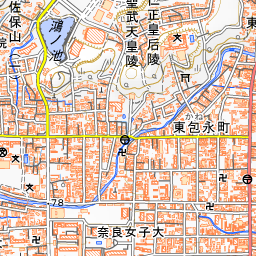
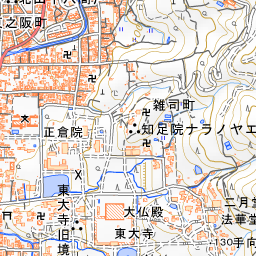
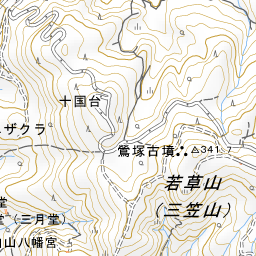
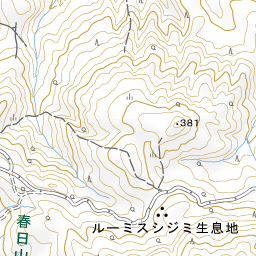
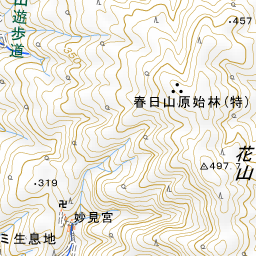
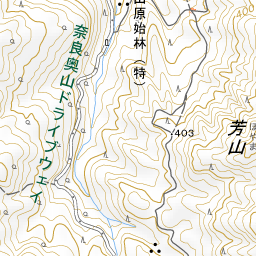
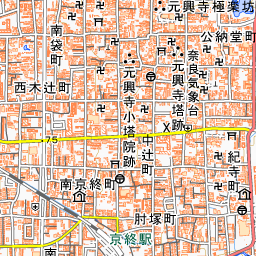
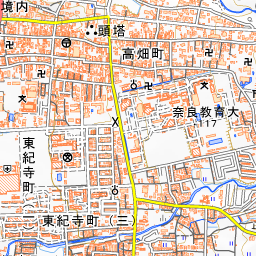
The Man'yo Botanical Garden is about 210 meters to the northwest. Heading south for about 520 meters leads to Shin-Yakushi-ji Temple. Mt. Mikasa and Mt. Kasuga have been preserved as sacred mountains and remain today as the Kasugayama Primeval Forest.
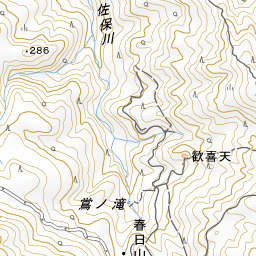
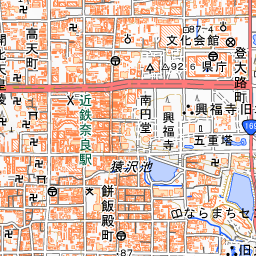
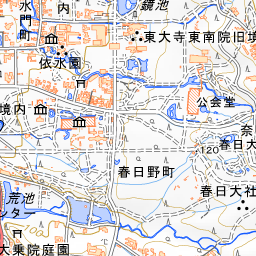
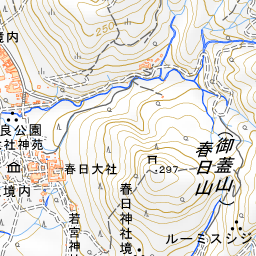
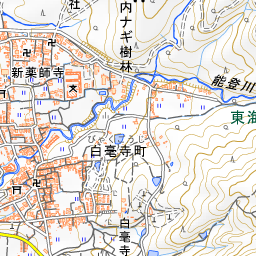
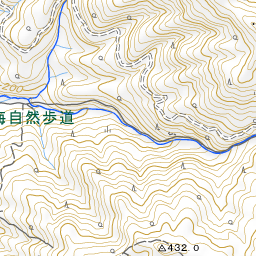
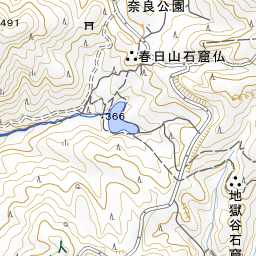
Spot location © OpenStreetMap contributors (ODbL)
Open in Google MapsGuides that include this spot (3)
- Walking Kasugayama: From Kasuga-taisha Shrine to the Primeval Forest Trail, the Summit of Mt. Wakakusa, and Nigatsu-do Hall
- A Day Trip to Nara from Kyoto and Osaka: From Kofuku-ji Temple to Todai-ji Temple, Nigatsu-do Hall, and Kasuga-taisha Shrine
- Takabatake Paths: From Byakugo-ji Temple to Kasuga-taisha Shrine via Shin-Yakushi-ji Temple and the Former Shiga Naoya Residence
Use asobot while you walk
- See where you are on the map and find spots nearby
- Listen to the guide's audio in course order, one after another (with subtitles)
- Walk to the next spot while following the map
Open on your phone
Scan to open this spot in asobot on your phone.