 ✨ AI Generated
Chion-ji Temple
Japanese: 文殊堂 智恩寺
Miyazu, Kyoto
This information was written by AI and may contain mistakes. Please check official sources for opening hours, fees, and other details before you go.
Found a mistake? Let us know with “✏️ Something's wrong” on this spot's screen in asobot →
🎧 Audio guide(1:07)
In short
A temple dedicated to Monju Bosatsu (Manjushri), located adjacent to Amanohashidate, one of the Three Views of Japan; its mountain name (sango) is Mount Tenkyo. Known since ancient times as a sacred site of Monju worship and referred to as the "Number One Pilgrimage Site of Japan's Three Monju," the temple recognizes as its tentative founding year 904 (Engi 4), when Emperor Daigo bestowed upon it the temple name "Tenkyozan Chion-ji." Since the Edo period, it has been a Zen temple belonging to the Rinzai sect's Myoshin-ji Temple school.
- The Hidden Image of Monju Bosatsu and the Monju-do Hall: The principal image of Monju Bosatsu is designated as a national Important Cultural Property. Depicted riding a lion, it is enshrined as a triad and is normally a hidden image, with public viewings (gokaicho) held 7 days a year. The four central pillars of the Monju-do Hall, reconstructed during the Edo period, are from the original building and still bear inscriptions left by visitors in the Kamakura period
- The Tahoto Pagoda and Iron Yubune: The Tahoto pagoda, built in 1501, is the only Muromachi-period tahoto pagoda in the Tango region and is designated as a national Important Cultural Property. The Kamakura-period iron Yubune (bathtub), now used as a purification water basin for worshipers, is also a national Important Cultural Property
- The Sanmon Gate Known as Ogonkaku: The largest sanmon gate in the Tango region, called "Ogonkaku" in reference to the gold granted by Empress Go-Sakuramachi. Shaka Nyorai (Shakyamuni) and the Sixteen Arhats are enshrined on the upper floor
History and Highlights
Chion-ji Temple is a temple dedicated to Monju Bosatsu (Manjushri) located adjacent to Amanohashidate, one of the Three Views of Japan. Its mountain name (sango) is Mount Tenkyo. Known since ancient times as a sacred site of Monju worship and referred to as the "Number One Pilgrimage Site of Japan's Three Monju," it has also been affectionately called "Kuseto-no-Monju" and "Kireto-no-Monju" based on local folklore and topography. While its origins are said to date back to the age of the gods, the temple officially recognizes its tentative founding year as 904 (Engi 4), when Emperor Daigo bestowed upon it the temple name "Tenkyozan Chion-ji." Since welcoming Zen Master Betsugen Socho as the restorer during the Edo period, it has been a Zen temple belonging to the Rinzai sect's Myoshin-ji Temple school.
Until modern times, Amanohashidate was part of the temple's estate. In the National Treasure "View of Amanohashidate," believed to have been painted by Sesshu, the temple is depicted near the center of the painting alongside the white sand and green pines of Amanohashidate. According to the "Kuseto Engi" passed down at the temple, Monju Bosatsu was invited from Mount Wutai in China and reformed the dragon deity that had occupied this land, after which Amanohashidate was formed.
Points for Appreciation and Experience
- The Hidden Image of Monju Bosatsu and the Monju-do Hall: The principal image of Monju Bosatsu is designated as a national Important Cultural Property. Depicted riding a lion, it is enshrined as a triad alongside Zenzai Doji and King Uten. It is normally a hidden image, with public viewings (gokaicho) held only 7 days a year. The Monju-do Hall was reconstructed during the Edo period by Kyogoku Takakuni, lord of Miyazu Castle, but the four central pillars are from the original building and still bear inscriptions left by visitors in the Kamakura period.
- The Tahoto Pagoda and Iron Yubune: The Tahoto pagoda, built in 1501, is the only Muromachi-period tahoto pagoda in the Tango region and is designated as a national Important Cultural Property. Its appearance is also depicted in Sesshu's "View of Amanohashidate." The iron Yubune (bathtub), now used as a purification water basin for worshipers, was originally an iron bathtub cast in the Kamakura period and is also a national Important Cultural Property.
- The Sanmon Gate Known as Ogonkaku: Facing Chaya-dori Street, the main sanmon gate is called "Ogonkaku" in reference to the gold granted by Empress Go-Sakuramachi for its construction. It is the largest sanmon gate in the Tango region, enshrining Shaka Nyorai (Shakyamuni) and the Sixteen Arhats on the upper floor.
Tips for Exploring
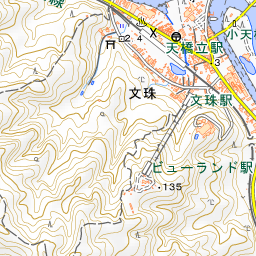
The temple is about a 5-minute walk from Amanohashidate Station on the Kyoto Tango Railway. As a Monju granting wisdom, it is visited by many students taking entrance exams and their families. Centered around the Hatsu-Ebisu fair on January 10th every year, the three-day period from Yoi-Ebisu on the 9th to Ato-Ebisu on the 11th is lively, and the public viewing of the Monju-do Hall also begins on the 9th. Beside the temple stands the Chie-no-Wa stone lantern, erected during the Edo period for maritime navigation safety, and the "Chie no Mochi" (wisdom rice cakes) are made at the four teahouses in front of the gate. It is about 150 meters to the Kaisenkyo Rotating Bridge, which leads to Amanohashidate upon crossing.


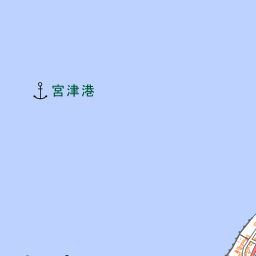
Spot location © OpenStreetMap contributors (ODbL)
Open in Google MapsGuides that include this spot (2)
Use asobot while you walk
- See where you are on the map and find spots nearby
- Listen to the guide's audio in course order, one after another (with subtitles)
- Walk to the next spot while following the map
Open on your phone
Scan to open this spot in asobot on your phone.