 ✨ AI Generated
Shinsho Gokuraku-ji Temple
Japanese: 真正極楽寺
Sakyo Ward, Kyoto
This information was written by AI and may contain mistakes. Please check official sources for opening hours, fees, and other details before you go.
Found a mistake? Let us know with “✏️ Something's wrong” on this spot's screen in asobot →
🎧 Audio guide(1:09)
In short
Officially named Reishozan Shinsho Gokuraku-ji, this is a temple of the Tendai sect whose head temple is Enryaku-ji Temple on Mt. Hiei, affectionately known by the popular name "Shinnyo-do Temple," the name of its main hall. Its history began in 984 (Eikan 2), when Kaisan Shonin, a monk of Mt. Hiei, moved the statue of Amida Nyorai that had been enshrined in the Jogyo-do hall of Enryaku-ji Temple to the detached palace of Higashi Sanjo-in. Afterward, it became an imperial prayer temple of Emperor Ichijo and was deeply revered by many people, especially women.
- The Nodding Amida: The principal image, a standing statue of Amida Nyorai, is the work of Jikaku Daishi Ennin and is a national Important Cultural Property. It is usually kept hidden as a secret Buddha, and the doors of its zushi (miniature shrine) are opened annually on November 15
- Nehan-no-Niwa and Zuien-no-Niwa Gardens: There are "Nehan-no-Niwa," a dry landscape garden depicting the reclining Buddha, his disciples, and animals with rock arrangements, and "Zuien-no-Niwa," which features the "Yotsume" (four eyes) crest of the Mitsui family
- Three-Story Pagoda and Autumn Foliage: The three-story pagoda, about 30 meters tall and rebuilt in 1817 (Bunka 14), stands here, and the spacious grounds are popular as a famous spot for autumn leaves
History and Highlights
Shinsho Gokuraku-ji Temple, officially named Reishozan Shinsho Gokuraku-ji, is a temple of the Tendai sect whose head temple is Enryaku-ji Temple on Mt. Hiei. Named with the meaning that "while there are many temples named Gokuraku-ji, this is the authentic sacred land of paradise (gokuraku)," it is affectionately known by the popular name "Shinnyo-do Temple," which is the name of its main hall.
Its history began in 984 (Eikan 2), when Kaisan Shonin, a monk of Mt. Hiei, moved the statue of Amida Nyorai that had been enshrined in the Jogyo-do hall of Enryaku-ji Temple to the detached palace of Higashi Sanjo-in, located east of Kaguraoka. Higashi Sanjo-in was the mother of Emperor Ichijo. Afterward, Shinnyo-do Temple became an imperial prayer temple (chokugan-sho) of Emperor Ichijo and was deeply revered by many people, especially women. Following the Onin War, the temple relocated multiple times, but in 1693 (Genroku 6), it returned to its current site by order of Emperor Higashiyama. The current main hall was rebuilt in 1717 (Kyoho 2) and is designated as a national Important Cultural Property.
Sights and Experiences
- The Nodding Amida: The principal image, a standing statue of Amida Nyorai, is the work of Jikaku Daishi Ennin and is a national Important Cultural Property. According to legend, when Ennin sought to make it the principal image for the practicing monks on Mt. Hiei, the Nyorai shook its head in refusal; however, when asked, "Then please go down to the capital and save all people, especially women," it nodded three times, which led to it being called the "Nodding Amida." It is usually kept hidden as a secret Buddha, and the doors of its zushi (miniature shrine) are opened annually on November 15.
- Nehan-no-Niwa and Zuien-no-Niwa Gardens: "Nehan-no-Niwa" (Nirvana Garden) is a dry landscape garden (karesansui) created in 1988 by landscape architect Sone Saburo. It depicts the historical Buddha reclining with his head to the north, surrounded by disciples and animals rendered with rock arrangements, and the flow of the Ganges River represented by white sand. Beyond the hedge, visitors can look out at the Thirty-Six Peaks of Higashiyama, including Mt. Hiei and Mt. Daimonji. "Zuien-no-Niwa" is a garden designed in 2010 by Shigemori Chisao, who carries on the tradition of Shigemori Mirei, and features an impressive arrangement reflecting the "Yotsume" (four eyes) crest of the Mitsui family.
- Three-Story Pagoda and Autumn Foliage: Rebuilt in 1817 (Bunka 14), the three-story pagoda stands about 30 meters high and serves as a symbol of Shinnyo-do Temple; it is a designated cultural property of Kyoto Prefecture. The spacious grounds are popular as a famous spot for autumn leaves, and visitors can also enjoy cherry blossoms, fresh green maples, and the colors of seasonal flowers.
Tips for Exploring
Because the nearest "Shinnyodo-mae" bus stop leads to a steep uphill climb, it is convenient to walk about 8 minutes from the "Kinrin Shako-mae" city bus stop instead. Shinnyo-do Temple is located at the foot of Mt. Daimonji, known for the Gozan-no-Okuribi Bonfire. It is the first temple on the Rakuyo Six Amida Pilgrimage, making it possible to visit in combination with the second temple, Eikando Zenrin-ji Temple.


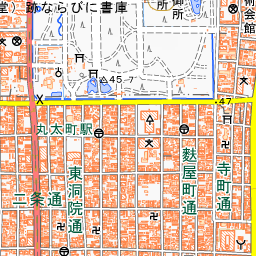


Spot location © OpenStreetMap contributors (ODbL)
Open in Google MapsGuides that include this spot (1)
Use asobot while you walk
- See where you are on the map and find spots nearby
- Listen to the guide's audio in course order, one after another (with subtitles)
- Walk to the next spot while following the map
Open on your phone
Scan to open this spot in asobot on your phone.