 ✨ AI Generated
Kurama-dera Temple
Japanese: 鞍馬寺
Sakyo Ward, Kyoto
This information was written by AI and may contain mistakes. Please check official sources for opening hours, fees, and other details before you go.
Found a mistake? Let us know with “✏️ Something's wrong” on this spot's screen in asobot →
🎧 Audio guide(1:14)
In short
The head temple of Kurama Kokyo, with its halls on Mount Kurama, north of Kyoto. According to the temple's legends, it began in 770, when Gantei, a senior disciple of Ganjin, built a thatched hut to enshrine Bishamonten. A legend remains that Minamoto no Yoshitsune, known in childhood as Ushiwakamaru, was taught the art of war by a tengu at night in Sojogadani.
- Honden Kondo and Kongo-sho: The central training hall where the principal object of worship, Sonten, is enshrined. The Kongo-sho in the front courtyard is stone paving modeled on a star mandala
- Reihoden (Kuramayama Museum): It displays the nature of Mount Kurama and the temple's treasures. Tohakutei, the study of Yosano Akiko, has been moved to its front courtyard
- The Okunoin approach and the Kinone-michi: A steep approach path, along which come the Kinone-michi, where cedar roots draw patterns on the ground, the Yoshitsune-do hall, which enshrines Yoshitsune, and the Maoden hall
History and Highlights
Situated on Mount Kurama to the north of Kyoto, Kurama-dera Temple is the head temple of the Kurama Kokyo sect. According to the temple's legends, its founding dates to 770, when monk Gantei, a high disciple of Ganjin, climbed Mount Kurama guided by a dream oracle and a white horse, where he built a thatched hut to enshrine Bishamonten. In 796, two years after the capital was moved to Heian-kyo, Fujiwara no Isendo established temple halls, enshrining Bishamonten and later also Senju Kannon (Thousand-Armed Kannon).
During the Heian period, nobles frequently visited for pilgrimages. Sei Shonagon wrote in The Pillow Book that "Things that are near though distant: the path called the winding way (tsuzuraori) of Kurama." Minamoto no Yoshitsune, known in his childhood as Ushiwakamaru, is said to have entered Kurama-dera Temple around the age of seven and departed for Hiraizumi in Oshu around the age of sixteen. Legend holds that at night, a tengu instructed him in military tactics in the Sojogatani valley.
The history of embracing diverse beliefs led to the naming of Kurama Kokyo in 1947, and Kurama-dera Temple became its head temple in 1949. The principal object of worship, "Sonten," is the trinity of Senju Kanzeon Bosatsu (representing love), Bishamontenno (representing light), and Gohomaoson (representing power) united into one.
Sights and Experiences
- Honden Kondo and Kongo-sho: The Honden Kondo is the central training hall where Sonten is enshrined, and the principal image is a hidden Buddha unveiled only once every 60 years in the year of the Fire Tiger (Hinoe-tora). The Kongo-sho in the front courtyard is stone paving patterned after a star mandala, considered a place of spiritual training where one unites with Sonten.
- Reihoden (Kuramayama Museum): Located a short walk up the approach to the left of the main hall, it exhibits the nature of Mount Kurama and temple treasures. The temple houses a National Treasure, the Standing Statue of Bishamonten Triad, and the study of Yosano Akiko, named Tohakutei, has been relocated to the front courtyard.
- Okunoin Approach and the Path of Tree Roots (Kinonedo): Beyond the Reihoden lies the steep approach to the Okunoin. Along this way are the "Kinonedo," where cedar roots form patterns across the hard bedrock ground surface, the Yoshitsune-do hall where Yoshitsune is enshrined as Shanaoson, and the Maoden hall, revered as the place where Gohomaoson descended.
Visiting Tips
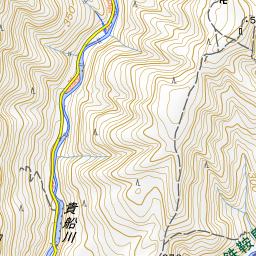
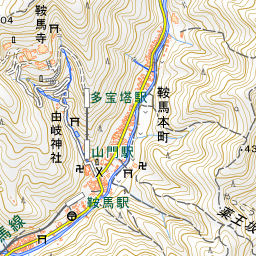
It takes about a 3-minute walk from Kurama Station on the Eizan Railway to the Niomon Gate, from which you climb the winding (tsuzuraori) approach for about 25 minutes to reach the Honden Kondo. Yuki-jinja Shrine along the way is known for the Kurama Fire Festival held on the evening of October 22 every year. For the ascent, taking the Kuramayama Cable Car operated by the religious corporation takes about 2 minutes from Sanmon Station to Tahoto Station. Those who enjoy hiking can also continue on foot from the Honden Kondo via the Maoden to Kifune-jinja Shrine.
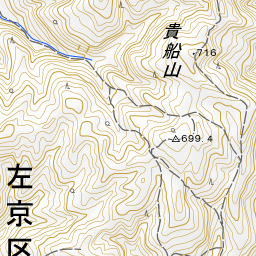
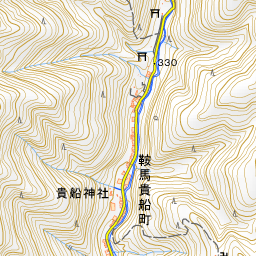
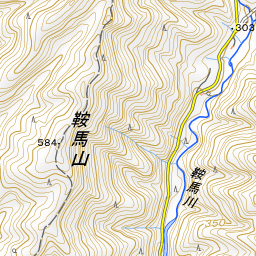
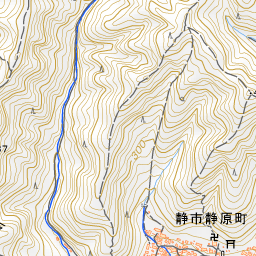
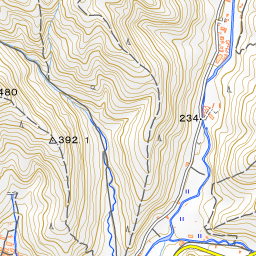
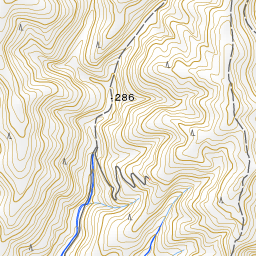
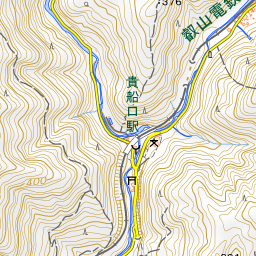
Spot location © OpenStreetMap contributors (ODbL)
Open in Google MapsGuides that include this spot (1)
Use asobot while you walk
- See where you are on the map and find spots nearby
- Listen to the guide's audio in course order, one after another (with subtitles)
- Walk to the next spot while following the map
Open on your phone
Scan to open this spot in asobot on your phone.