 ✨ AI Generated
Osaka Prefectural Sayamaike Museum
Japanese: 大阪府立狭山池博物館
Osakasayama, Osaka
This information was written by AI and may contain mistakes. Please check official sources for opening hours, fees, and other details before you go.
Found a mistake? Let us know with “✏️ Something's wrong” on this spot's screen in asobot →
🎧 Audio guide(1:08)
In short
A museum located on the north embankment of Sayama Pond, Japan's oldest dam-type irrigation pond. Osaka Prefecture built it to exhibit the civil engineering heritage of each era uncovered during the archaeological excavations accompanying the Heisei renovation, and it opened in 2001 (Heisei 13). Its themes are the history of flood control and irrigation that have protected human lives and property, along with civil engineering technology, and the building was designed by Ando Tadao.
- Relocated Cross Section of the Embankment: A cross section of the north embankment measuring approximately 15 meters high and 60 meters wide has been relocated, preserving traces of renovations from the Asuka period to the Showa period. The numerous black dots lined up horizontally are cross sections of twigs used in the shikiha-koho (leaf-laying method)
- Higashi-hi Conduit from the Asuka and Edo Periods: The Higashi-hi Conduit, which channeled pond water downstream, is on display. The lower tier's conduit from the Asuka period was made by joining pipes hollowed out of large Japanese umbrella pines felled in 616 (the 24th year of Empress Suiko's reign), and the upper tier is a conduit from the Edo period, about 1,000 years later. Both are national Important Cultural Properties
- People Who Protected the Pond: The work of Gyoki in the Nara period, Chogen in the Kamakura period, and Katagiri Katsumoto, who carried out renovations by order of Toyotomi Hideyori, is introduced. Outdoors, stone sarcophagi brought by Chogen from surrounding tumuli are lined up
History and Highlights
Osaka Prefectural Sayamaike Museum is a museum located on the north embankment of Sayama Pond, Japan's oldest dam-type irrigation pond. During the archaeological excavations accompanying renovation work in the Heisei era, numerous remains dating from the Kofun period through the Edo period were uncovered. Osaka Prefecture built this facility as a site museum of Sayama Pond to exhibit the civil engineering heritage of each era, and it opened in 2001 (Heisei 13). Its themes are the history of flood control and irrigation that protected human lives and property, along with the civil engineering technology representing the crystallization of wisdom and ingenuity.
The building was designed by Ando Tadao, one of Japan's leading architects. The permanent exhibition consists of an outdoor display and seven zones ranging from "Invitation to Sayama Pond" and "Birth of Sayama Pond" to "The Heisei Renovation," allowing visitors to trace the pond's 1,400-year journey in order. The wooden conduits excavated here and the Chogen Sayama Pond Renovation Monument were designated as national Important Cultural Properties in 2014.
Viewing and Experience Highlights
- Relocated Cross Section of the Embankment: Inside the museum, a cross section of the north embankment measuring approximately 15 meters high and 60 meters wide has been relocated. The embankment was cut out into 101 blocks, treated for preservation, and then reassembled. The cross section preserves traces of renovations from the Asuka period to the Showa period. The white area in the lower half is embankment fill from the Asuka and Nara periods, and the numerous black dots lined up horizontally are cross sections of twigs used in the shikiha-koho (leaf-laying method), in which twigs were laid out before soil was heaped over them.
- Higashi-hi Conduit from the Asuka and Edo Periods: The Higashi-hi Conduit, which channeled pond water downstream, is on display over a length of approximately 60 meters. The lower tier's conduit from the Asuka period was made by joining hollowed-out logs of Japanese umbrella pine; tree-ring analysis revealed that the trees were felled in 616 (the 24th year of Empress Suiko's reign). The upper tier is a conduit from the Edo period, about 1,000 years later, constructed by fastening numerous planks with giant iron nails. Both are national Important Cultural Properties.
- People Who Protected the Pond: The work of Gyoki in the Nara period, Chogen in the Kamakura period, and Katagiri Katsumoto, who carried out renovations by order of Toyotomi Hideyori in 1608 (Keicho 13), is introduced in each respective zone. Chogen, known as the monk who rebuilt Todai-ji Temple, modified stone sarcophagi from the Kofun period to use as a stone conduit. The renovation monument recording his achievements and stone sarcophagi are displayed inside, while stone sarcophagi brought by Chogen from surrounding tumuli are lined up outdoors.
Walking Tips
The museum is located about 700 meters west of Osakasayamashi Station on the Nankai Koya Line. Strolling along the shores of Sayama Pond after learning how the embankment and conduits function through the exhibits will bring you an even closer sense of the pond that has been protected for 1,400 years.


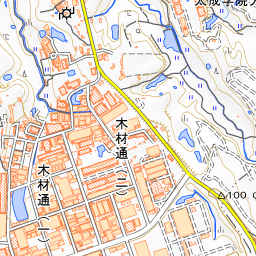


Spot location © OpenStreetMap contributors (ODbL)
Open in Google MapsGuides that include this spot (1)
Use asobot while you walk
- See where you are on the map and find spots nearby
- Listen to the guide's audio in course order, one after another (with subtitles)
- Walk to the next spot while following the map
Open on your phone
Scan to open this spot in asobot on your phone.