 ✨ AI Generated
Yakushi-ji Temple
Japanese: 薬師寺
Nara City, Nara
This information was written by AI and may contain mistakes. Please check official sources for opening hours, fees, and other details before you go.
Found a mistake? Let us know with “✏️ Something's wrong” on this spot's screen in asobot →
🎧 Audio guide(1:09)
In short
Yakushi-ji Temple is the head temple of the Hosso Sect and one of the constituent assets of the World Heritage site "Historic Monuments of Ancient Nara." Emperor Tenmu vowed to build this temple to pray for the recovery of his empress from illness. The East Pagoda, designated as a National Treasure, is the only structure surviving from the temple's founding era. Buildings such as the Kondo (Main Hall) and the West Pagoda were reconstructed during restoration efforts from the Showa era onwards, reviving the Hakuho-style temple compound.
- East Pagoda: Although it appears to have six stories, it is actually a three-storied pagoda. Due to the rhythmic beauty of its alternating large and small roofs, it is popularly known by the affectionate moniker "frozen music."
- Yakushi Triad of the Kondo: The Kondo is the central hall of the temple and enshrines the principal image, the Yakushi Triad, which is a National Treasure.
- The Two Pagodas of East and West: Standing side by side, the East Pagoda—with its subdued tone weathered by many years of wind and rain—and the brightly colored West Pagoda present a striking contrast of hues.
History and Highlights
Yakushi-ji Temple is the grand head temple of the Hosso Sect and is counted among the Seven Great Temples of Nanto (the southern capital of Nara).
Its origins date back to 680, when Emperor Tenmu made a vow to build the temple to pray for the recovery of his empress, who later became Empress Jito. The temple was completed in Fujiwara-kyo in 698 and was relocated to its current site in 718 following the transfer of the capital to Heijo-kyo. The original location is in present-day Kashihara City, where earthen mounds and foundation stones remain as the Motoyakushi-ji Temple Site.
Yakushi-ji Temple was the first temple in Japan to adopt a layout featuring the main hall in the center flanked by two pagodas to the east and west. This is known as the "Yakushi-ji style temple layout." The magnificent appearance of the halls and pagodas, each adorned with mokoshi (pent roofs), is referred to as "Ryugu-zukuri" (Dragon Palace style).
Over time, the halls and pagodas of that era were lost one after another to fires, earthquakes, and warfare. Among them, the only structure surviving from the founding era is the East Pagoda.
In 1968, the chief priest at the time, Takada Koin, began the revival of the Hakuho compound through a fundraising campaign based on hand-copying Buddhist sutras (o-shakyo). The Kondo was rebuilt in 1976 and the West Pagoda in 1981, followed by the Daikodo (Great Lecture Hall) and the Jikido (Refectory).
Appreciation and Experience Points
- East Pagoda: Erected in 730, it is designated as a National Treasure as the oldest surviving building in Heijo-kyo. It stands 34 meters high. Counting the roofs from the top, the first, third, and fifth are the main roofs, while the others are mokoshi pent roofs. It is said that the American art historian Ernest Fenollosa was the first to describe it as "frozen music." The suien (finial) atop the pagoda features openwork carvings of heavenly beings dancing and playing transverse flutes, embodying prayers to protect the tower from fire.
- Yakushi Triad of the Kondo: The principal image, a seated Yakushi Nyorai statue, is flanked by Nikko Bosatsu and Gakko Bosatsu. Regarding the date of the statues, there are two theories: a 7th-century theory suggesting they were transferred from Motoyakushi-ji, and an 8th-century theory suggesting they were newly cast in Heijo-kyo.
- Daikodo and Toindo: The Daikodo is the largest hall in the temple compound and houses the National Treasure Bussokuseki (Buddha Footprint Stone) and the Bussokuseki Kahi (poem monument). The Toindo is a Japanese-style (wayo) hall rebuilt in 1285; it is designated as a National Treasure as the oldest Zen meditation hall in Japan and enshrines the National Treasure statue of Sho-Kannon Bosatsu.
Tips for Exploring
The temple is located very close to Nishinokyo Station on the Kintetsu Kashihara Line. Within the grounds, start by comparing the East Pagoda and the West Pagoda. The West Pagoda is adorned with the same vivid aoni (bluish-green) color and golden decorative metalwork as when it was first built.
To the north of the Hakuho compound lies the Genjo-sanzo-in compound. It enshrines the cranial relic of the monk Xuanzang (Genjo Sanzo) and houses the Daito Saiiki Hekiga (The Great Tang Western Regions Murals) painted by Hirayama Ikuo. Since public viewing periods are limited, it is advisable to check ahead before visiting.
From the Oike pond to the west of the temple, you can view the temple compound against the backdrop of Mt. Wakakusa and Mt. Kasuga. Toshodai-ji Temple is located about 800 meters to the north, allowing you to easily visit both in succession.
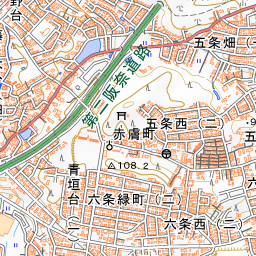
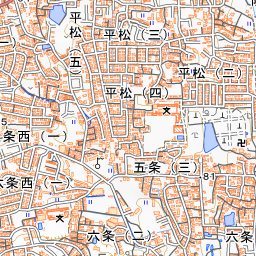
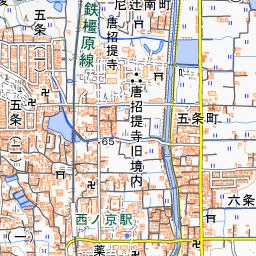
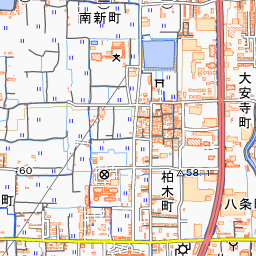
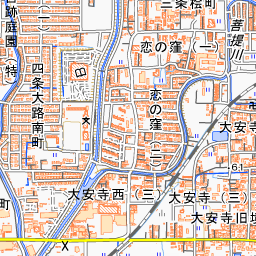
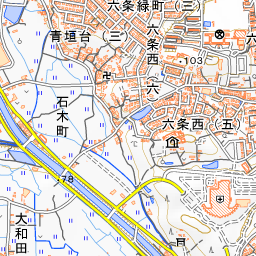
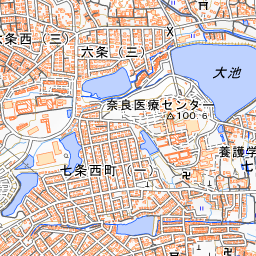
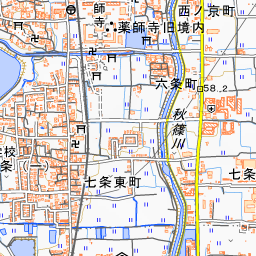
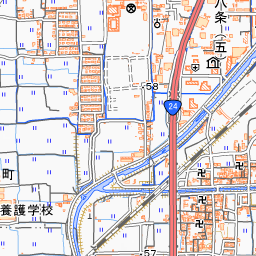
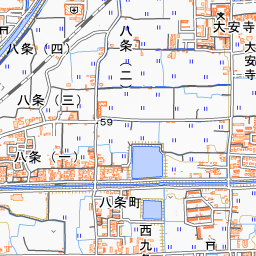
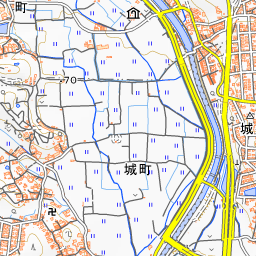
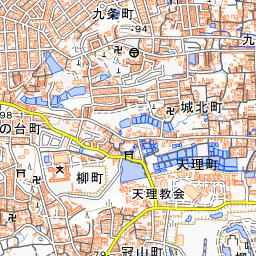
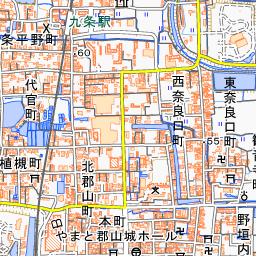

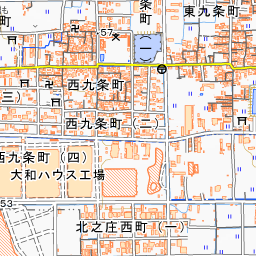
Spot location © OpenStreetMap contributors (ODbL)
Open in Google MapsGuides that include this spot (2)
Use asobot while you walk
- See where you are on the map and find spots nearby
- Listen to the guide's audio in course order, one after another (with subtitles)
- Walk to the next spot while following the map
Open on your phone
Scan to open this spot in asobot on your phone.