 ✨ AI Generated
Shugakuin Imperial Villa
Japanese: 修学院離宮
Sakyo Ward, Kyoto
This information was written by AI and may contain mistakes. Please check official sources for opening hours, fees, and other details before you go.
Found a mistake? Let us know with “✏️ Something's wrong” on this spot's screen in asobot →
🎧 Audio guide(1:06)
In short
An imperial villa built at the foot of Mt. Hiei, along the skirts of the Higashiyama mountain range, made up of three villas, Upper, Middle, and Lower, the pine-lined paths connecting them, and fields. Retired Emperor Gomizunoo began building this mountain villa, which was completed around 1659 (Manji 2), and today it is managed by the Imperial Household Agency. An application is required to visit, and only those aged 18 and older may visit.
- Yokuryuchi Pond Viewed from Rinuntei: Turning around at Rinuntei in the Upper Villa, you see Yokuryuchi Pond spreading out below, with views of the mountains of Rakuhoku and the Nishiyama peaks
- The Middle Villa's Guest House and Kasumidana Shelves: The Kasumidana Shelves, with shelf boards arranged in a staggered formation, are counted among the Three Famous Shelves of the Realm, along with the Katsuradana and the Daigodana
- Pine-Lined Paths and Okarikomi: You can enjoy the scenery from the pine-lined paths connecting the three villas, and see the Okarikomi, sheared hedges covering the embankment of Yokuryuchi Pond
History and Highlights
Shugakuin Imperial Villa is an imperial villa built at the foot of Mt. Hiei, along the skirts of the Higashiyama mountain range. It is a grand retreat consisting of three villas—Upper, Middle, and Lower—connected by pine-lined paths and surrounded on both sides by fields.
Construction of this mountain villa was begun by Retired Emperor Gomizunoo between the 1st and 2nd years of the Meireki era (1655–1656) and completed around the 2nd year of the Manji era (1659), more than 30 years after Katsura Imperial Villa. Later, after the passing of Retired Emperor Gomizunoo's consort, Tofukumon-in, parts of the buildings from her palace were relocated to expand the villa of his daughter, Imperial Princess Teruko. Following the Retired Emperor's death, the princess turned this into Rinkyu-ji Temple. In the 18th year of the Meiji era (1885), half of the grounds of Rinkyu-ji Temple were returned to the Imperial Household Ministry and came to be known as the Middle Villa. Today, it is managed by the Imperial Household Agency along with Kyoto Imperial Palace and Katsura Imperial Villa.
Viewing and Experience Highlights
- Yokuryuchi Pond Viewed from Rinuntei: The Upper Villa is a stroll-style garden centered around a large pond called Yokuryuchi Pond, created by damming a mountain stream. Turning around at Rinuntei, situated at the top of steep stone steps bordered by sheared hedges, Yokuryuchi Pond spreads out below, offering views of the mountains of Rakuhoku (northern Kyoto), the cityscape of Rakuchu (central Kyoto) to the left, and the peaks of the Nishiyama mountains beyond. Kyusuitei, standing on an islet, is the only remaining structure from the time of the villa's founding, and the plaque inscribed with "Kyusui" was brushed by Retired Emperor Gomizunoo.
- The Middle Villa's Guest House and Kasumidana Shelves: The Kyakuden (guest house) was relocated from the Oku-taimensho (inner audience hall) of the Nyoin Gosho in the 2nd year of the Tenna era (1682), after Tofukumon-in's death, for Imperial Princess Teruko. The Kasumidana Shelves, arranged in a staggered formation of five large and small shelves, are counted among the "Three Famous Shelves of the Realm" alongside the Katsuradana of Katsura Imperial Villa and the Daigodana of Sanbo-in Temple.
- Pine-Lined Paths and Okarikomi: The pine-lined avenues connecting the three villas were once merely paths between rice paddies, but the views from here are also magnificent. From the pine-lined path climbing up to the Upper Villa, on the left one can see the Okarikomi, a massive sheared hedge of dozens of mixed evergreen varieties covering the stone embankment of Yokuryuchi Pond.
Tips for Visitors
To visit Shugakuin Imperial Villa, an application with the Imperial Household Agency is required. In addition to advance online bookings, same-day reception is available on-site. Visits are permitted only for persons aged 18 and older; those under 18 cannot accompany visitors. Tours are guided by staff members, visiting the Lower, Middle, and Upper Villas in order, covering a distance of about 3 kilometers and taking approximately 80 minutes. The buildings are viewed from the outside. It is about a 20-minute walk from Shugakuin Station on the Eizan Electric Railway, or about 15 minutes from the Shugakuin Rikyu-michi city bus stop. Manshu-in Temple lies approximately 550 meters to the south, and Enko-ji Temple is located about 1 kilometer to the south-southwest.
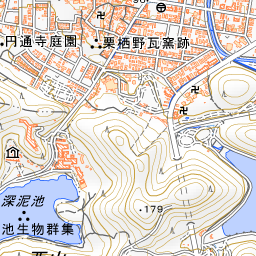
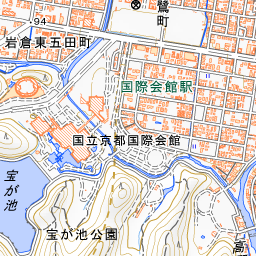
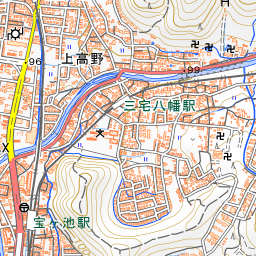
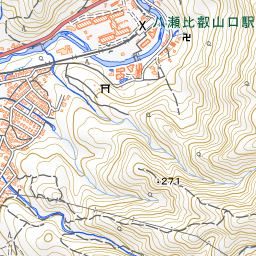
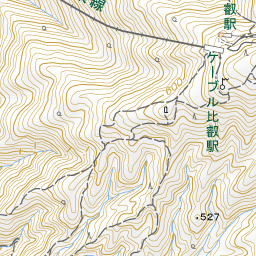
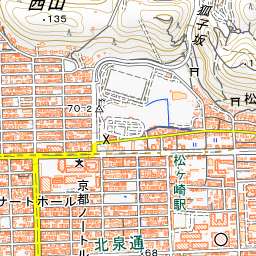
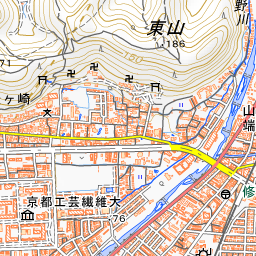

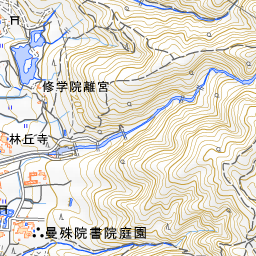
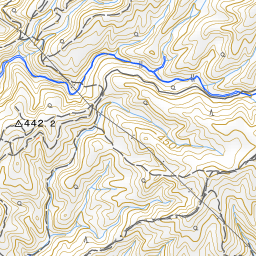
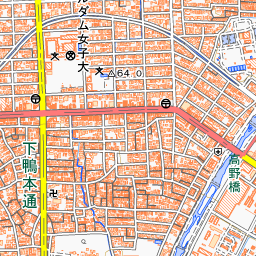
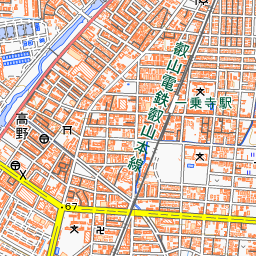
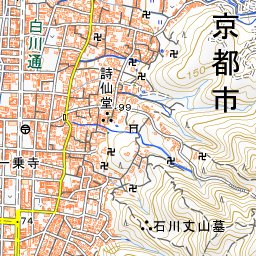
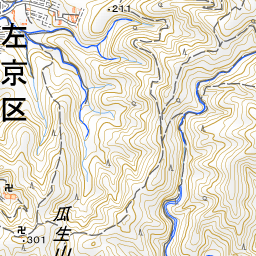
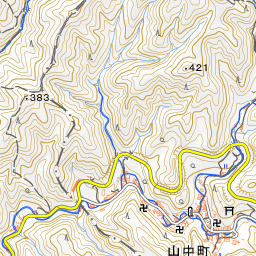
Spot location © OpenStreetMap contributors (ODbL)
Open in Google MapsGuides that include this spot (1)
Use asobot while you walk
- See where you are on the map and find spots nearby
- Listen to the guide's audio in course order, one after another (with subtitles)
- Walk to the next spot while following the map
Open on your phone
Scan to open this spot in asobot on your phone.