 ✨ AI Generated
Jurin-in Temple
Japanese: 十輪院
Nara City, Nara
This information was written by AI and may contain mistakes. Please check official sources for opening hours, fees, and other details before you go.
Found a mistake? Let us know with “✏️ Something's wrong” on this spot's screen in asobot →
🎧 Audio guide(1:02)
In short
Jurin-in Temple is a Buddhist temple belonging to the Daigo branch of the Shingon sect, located east of Naramachi. Said to have originally been a sub-temple of Gango-ji Temple, it was known in the Kamakura period as a sacred site dedicated to Jizo. The temple was named after the Buddhist scripture Jizo Jurin-kyo. The principal image is a stone-carved Jizo Bosatsu, and the main hall (hondo) where it is worshipped is designated as a National Treasure.
- Low and serene main hall: Dating from the Kamakura period, this low-profile main hall features a residential style of construction despite being a temple hall
- Stone Buddhist niche (sekibutsugan): Located at the back of the main hall, this Important Cultural Property of Japan features Sakyamuni Tathagata and Maitreya Bodhisattva carved to the left and right of Jizo Bosatsu
- Stone Buddhas on the temple grounds: Entering through the South Gate, across a pond to the right, stone relics from the Kamakura period remain, such as the Kofuku-ji Mandala Stone
History and Highlights
Jurin-in Temple is a temple of the Daigo branch of the Shingon sect, bearing the mountain name Uhozan. Its principal image is a stone statue of Jizo Bosatsu. According to temple tradition, it was founded by Asano Nakai at the imperial request of Empress Gensho. Said to have been a sub-temple of Gango-ji Temple, it was named after the scripture Jizo Jurin-kyo. It is also often called "Juruin."
From the medieval period onward, it became known as a center of Jizo worship. Shasekishu, written by Muju in 1283, also records that this temple was a site of Jizo devotion.
The main hall was constructed in the Kamakura period and is designated as a National Treasure. Although it serves as a temple's main hall, its residential-style architecture is considered unusual. It has a single-story hipped roof (yosemune-zukuri) covered with traditional formal tiles (hongawarabuki). The height of the floor, eaves, and roof is deliberately kept low. One reason given for this design is that the main hall serves as a worship hall (raido) to venerate the stone Buddhist niche (sekibutsugan) that houses the principal image, and the niche could not be worshipped from a high position.
On the grounds, there are also the South Gate (an Important Cultural Property of Japan) from the Kamakura period and the Miei-do Hall (a prefectural cultural property) from the late Muromachi period.
Viewing and Experience Highlights
- Low eaves of the main hall: The main hall is considered one of the representative examples of Kamakura-period Buddhist temple architecture. View from the front its stable, balanced appearance with low floors and eaves.
- Stone Buddhist niche (sekibutsugan): Located at the back of the main hall, the stone Buddhist niche is an Important Cultural Property of Japan. Sakyamuni Tathagata and Maitreya Bodhisattva are carved to the left and right of the principal image of Jizo Bosatsu, and numerous Buddhist figures are also sculpted on the stone doors and elsewhere. It is regarded as a rare work within Japanese stone art.
- South Gate and stone relics: Passing through the small gabled (kirizuma-zukuri) South Gate, to the right across a pond stand stone relics from the Kamakura period, including the Kofuku-ji Mandala Stone and a Fudo stone Buddha. Stone carvings and stone Buddhas can be seen throughout this garden area.
Tips for Exploring
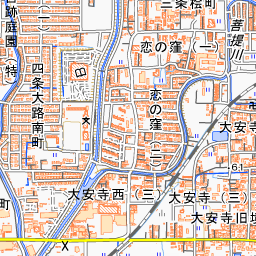
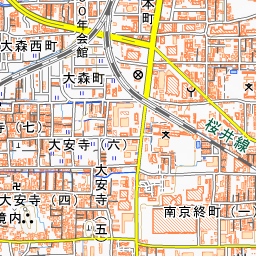
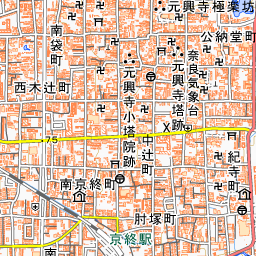
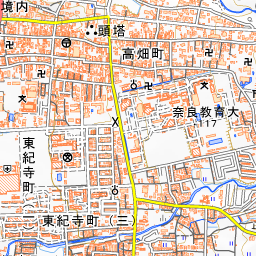
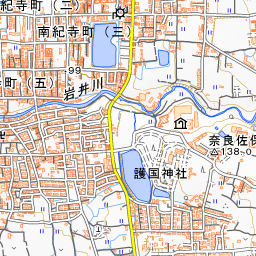
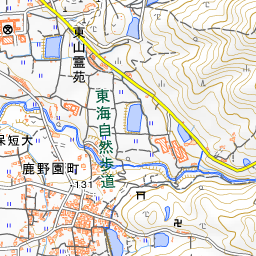
It is about a 15-minute walk from Exit 2 of Kintetsu-Nara Station. Passing through the South Gate, view the stone relics on your right, proceed to the main hall, and worship the stone Buddhist niche behind it; this allows you to appreciate well how the main hall was built as a worship hall. Gango-ji Temple is about 230 meters northwest, Kyu-Daijo-in Garden is about 240 meters northeast, and Naramachi Nigiwai-no-Ie is about 290 meters west, making it easy to combine with a stroll around Naramachi.
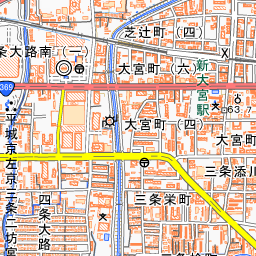

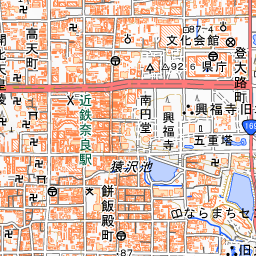
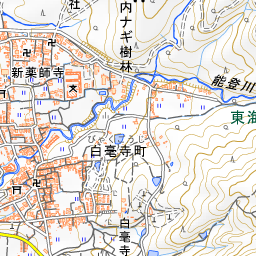
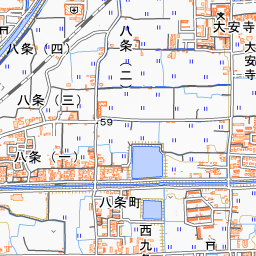
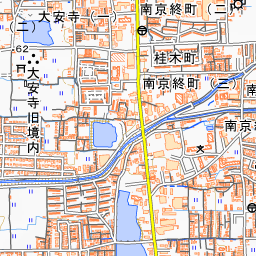
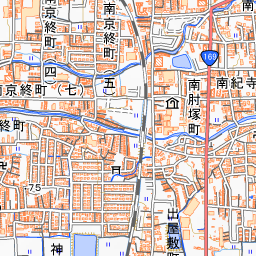
Spot location © OpenStreetMap contributors (ODbL)
Open in Google MapsGuides that include this spot (1)
Use asobot while you walk
- See where you are on the map and find spots nearby
- Listen to the guide's audio in course order, one after another (with subtitles)
- Walk to the next spot while following the map
Open on your phone
Scan to open this spot in asobot on your phone.