 ✨ AI Generated
Yagiri Ferry
Japanese: 矢切の渡し
Katsushika City, Tokyo
This information was written by AI and may contain mistakes. Please check official sources for opening hours, fees, and other details before you go.
Found a mistake? Let us know with “✏️ Something's wrong” on this spot's screen in asobot →
🎧 Audio guide(1:01)
In short
The Yagiri Ferry is a ferry boat connecting Shibamata in Katsushika City with Shimoyagiri in Matsudo City, Chiba Prefecture, across the Edo River. Originating as a ferry boat for farmers during the Edo period, it is the only remaining ferry boat within Tokyo. It is widely known as the setting of Ito Sachio's novel Grave of the Wild Chrysanthemum (Nogiku no Haka) and the popular enka song "Yagiri no Watashi."
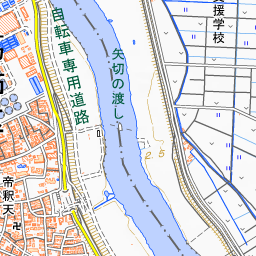
- A River Crossing of About 5 Minutes: Cross the approximately 150-meter-wide Edo River to the opposite bank by boat. There is no set timetable; the boat departs once a certain number of passengers have boarded.
- History of a Farmers' Ferry: During the Edo period, it was permitted as a ferry for farmers who owned agricultural land on the opposite bank.
- Ferry Landing on the Shibamata Side: On the riverside grounds, there is a monument inscribed with the song "Yagiri no Watashi" and a haiku monument of Mizuhara Shuoshi.
History and Highlights
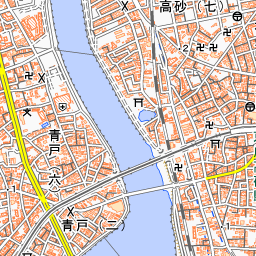
Yagiri Ferry is a ferry boat that connects Shibamata, Katsushika City, Tokyo, and Shimoyagiri, Matsudo City, Chiba Prefecture, across the Edo River. It is the only ferry boat remaining in Tokyo, as well as the only ferry remaining on the Edo River.
Its beginnings date back to the early Edo period. It started when farmers who owned fields on both sides of the Edo River crossed back and forth over the river. During the Edo period, building bridges over the Edo River was prohibited to protect Edo. While ferry boats linking major highways were strictly controlled, ferries meant for farmers with agricultural plots on the opposite shore were permitted. The Yagiri Ferry was one such "hyakusho-watashi" (farmers' ferry).
Following the Meiji Restoration, bridges were built across the Edo River, and other nearby ferries gradually disappeared. The operation of the Yagiri Ferry continued under private management, remaining an everyday means of transport for commuting to work and school. Around 1965, it faced the threat of discontinuation due to road improvements and a decline in the farming population. Later, the enka song "Yagiri no Watashi," composed by Funamura Toru, was created, and when a cover version by Hosokawa Takashi became a massive hit, the ferry revived as a sightseeing route.
Another element that brought fame to this ferry is the novel Grave of the Wild Chrysanthemum by Ito Sachio, published in 1906. Its setting is on the opposite Matsudo side, and a "Grave of the Wild Chrysanthemum Literary Monument" stands on the grounds of Sairenji Temple. This area has also frequently appeared in the Otoko wa Tsurai yo film series.
Viewing and Experience Points
- Crossing the Approximately 150-Meter River: The boat crosses the roughly 150-meter Edo River to the opposite shore in about 5 minutes. There is no set timetable, and it departs once a certain number of passengers have gathered.
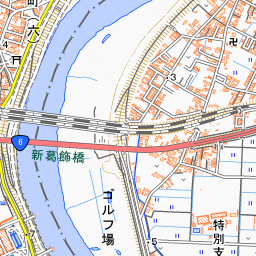
- Views from the Boat: From aboard the boat, you can see the bridge of the Kanamachi Bypass upstream. On the opposite bank in the Yagiri area, ascending the riverbank reveals fields of local specialties such as "Yagiri negi" (green onions).
- Ferry Landing on the Shibamata Side: The boarding point on the Shibamata side is located on the riverside land of the Edo River next to Diamond A of the Shibamata Baseball Field. There you will find the song monument for "Yagiri no Watashi" and a haiku monument of Mizuhara Shuoshi.
Walking Tips
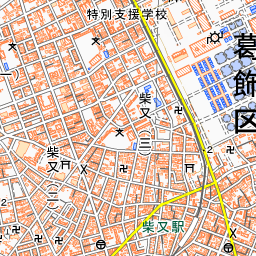
As you walk from Shibamata Station along the Taishakuten Sando Approach and pass through the grounds of Shibamata Taishakuten Temple, the crowds gradually thin out and you draw closer to the Edo River. It is about a 5-minute walk from Shibamata Taishakuten Temple.
About 320 meters southwest of the Shibamata-side boarding area is the Katsushika Shibamata Tora-san Museum, and about 300 meters west-southwest is Yamamototei. Crossing the river makes for a wonderful conclusion to a stroll around Shibamata.
The "100 Soundscapes of Japan to be Preserved" include this ferry's wooden hand-rowed boats, along with the calls of skylarks and black-headed gulls. While on the river, take a moment to listen closely to the surrounding sounds.
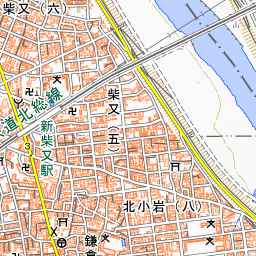


Spot location © OpenStreetMap contributors (ODbL)
Open in Google MapsGuides that include this spot (1)
Use asobot while you walk
- See where you are on the map and find spots nearby
- Listen to the guide's audio in course order, one after another (with subtitles)
- Walk to the next spot while following the map
Open on your phone
Scan to open this spot in asobot on your phone.